













Services

Groundwater remediation services

Contaminated groundwater can create long-term environmental liabilities, delay sign-off and affect how a site can be safely developed. Where sites are constrained, sensitive or under close scrutiny, remediation has to satisfy regulators, protect receptors and integrate with the wider delivery programme.

As a groundwater remediation specialist, we design practical groundwater treatment strategies that combine technical rigour with real-world constructability, helping clients manage risk early and demonstrate control.

As a groundwater remediation specialist, Soilfix can take your projects from remediation strategy through to completion and final verification. Groundwater remediation is either carried out in isolation, or as part of a multi-disciplinary remediation project using the most practical and appropriate techniques.

Managing groundwater risk?

Speak to Soilfix about groundwater remediation strategies that support safe, compliant delivery.

CASE STUDY

Tipner East Regeneration, Portsmouth

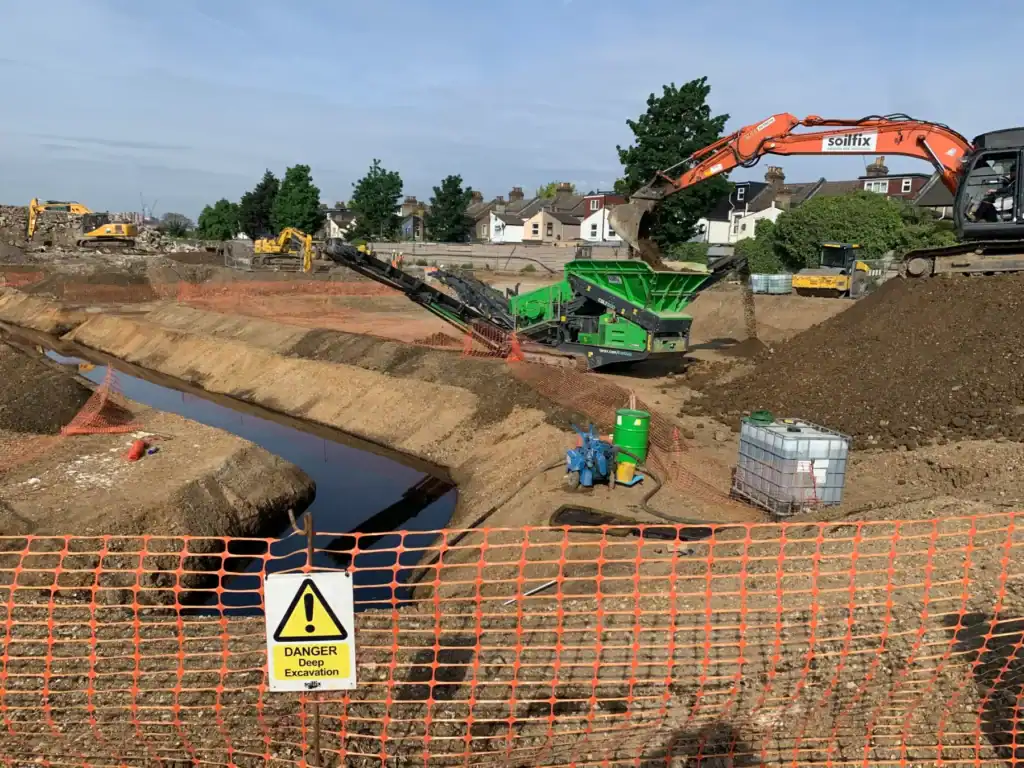
At Tipner East, Soilfix delivered large-scale soil and groundwater remediation on a sensitive coastal regeneration site adjacent to RAMSAR protected waters. The project highlighted our ability to combine technical remediation, environmental controls and enabling works to help clients manage risk on complex sites.

Helping to clean up the environment with out groundwater remediation services in a man-mad lake

Groundwater Remediation

Groundwater Remediation Treatment Services

Soilfix has significant experience in a variety of conventional and more innovative in-situ / ex-situ groundwater treatment technologies to meet site specific remedial objectives. We have in-house technical capability and experience to deliver complex projects involving emerging contaminants such as PFAS compounds, pesticides/herbicides, phthalates as well as petroleum hydrocarbons, coal-tar derivatives and chlorinated solvents.

Selection of ‘Best Available Techniques’ for treatment of groundwater remediation services often utilises Remedial Options Appraisals, Sustainability / Carbon Assessments and pilot feasibility trials. A combination of techniques is often deployed to solve the groundwater contamination issue. All of these Groundwater remediation services are provided in-house using our experienced team under our multi-site mobile treatment permit.

Think we could help your project?

Ex-situ Groundwater Treatment

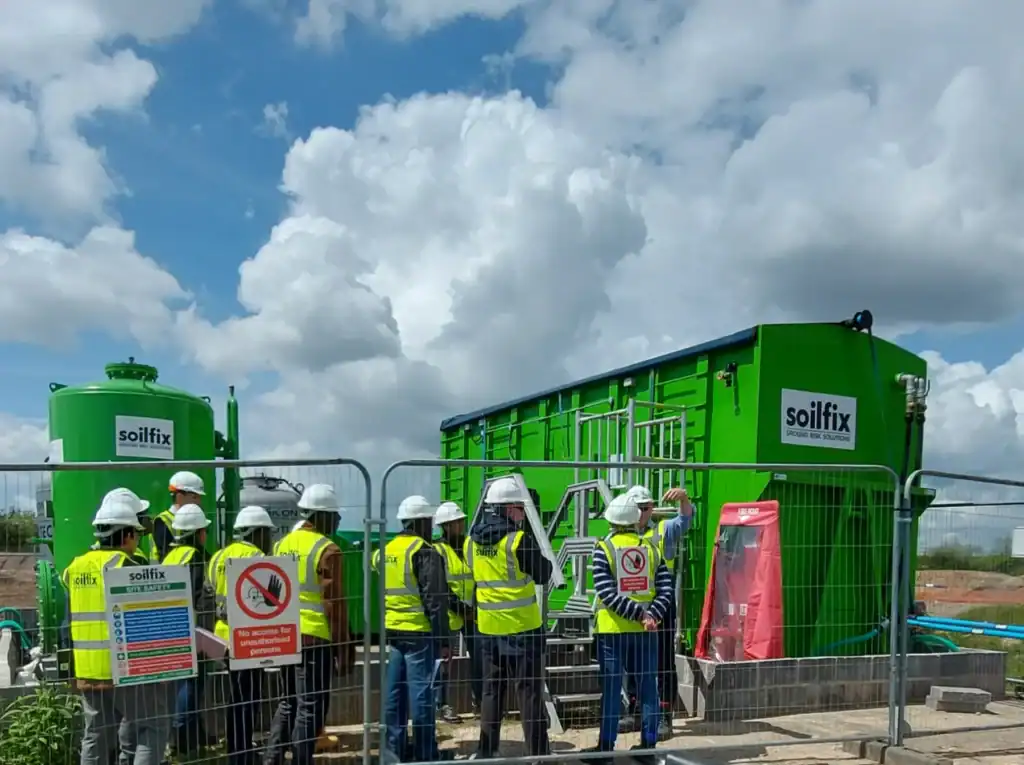
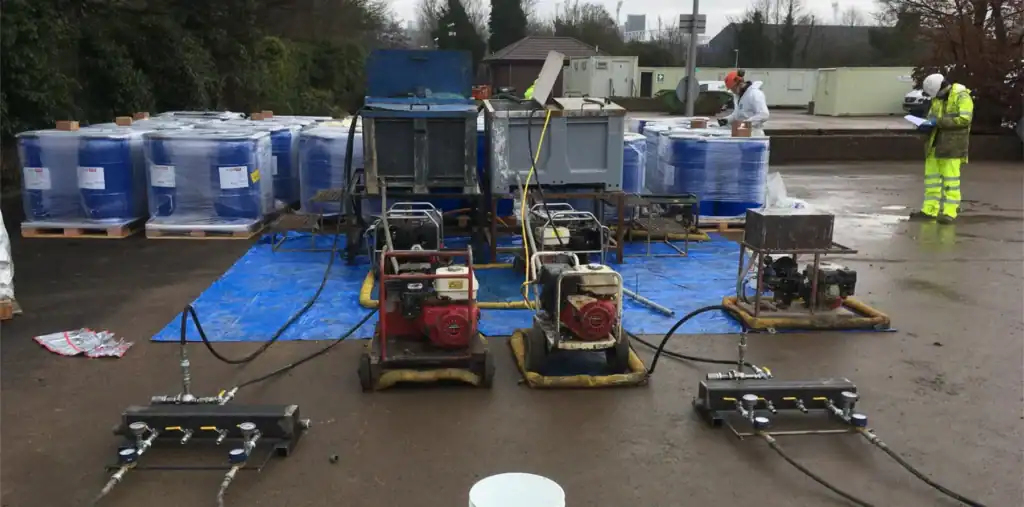
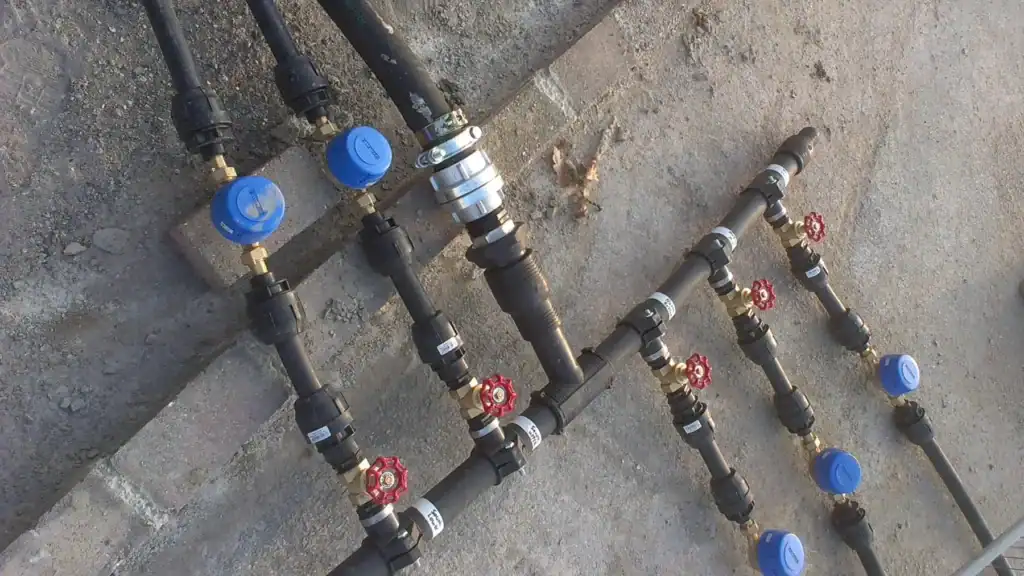
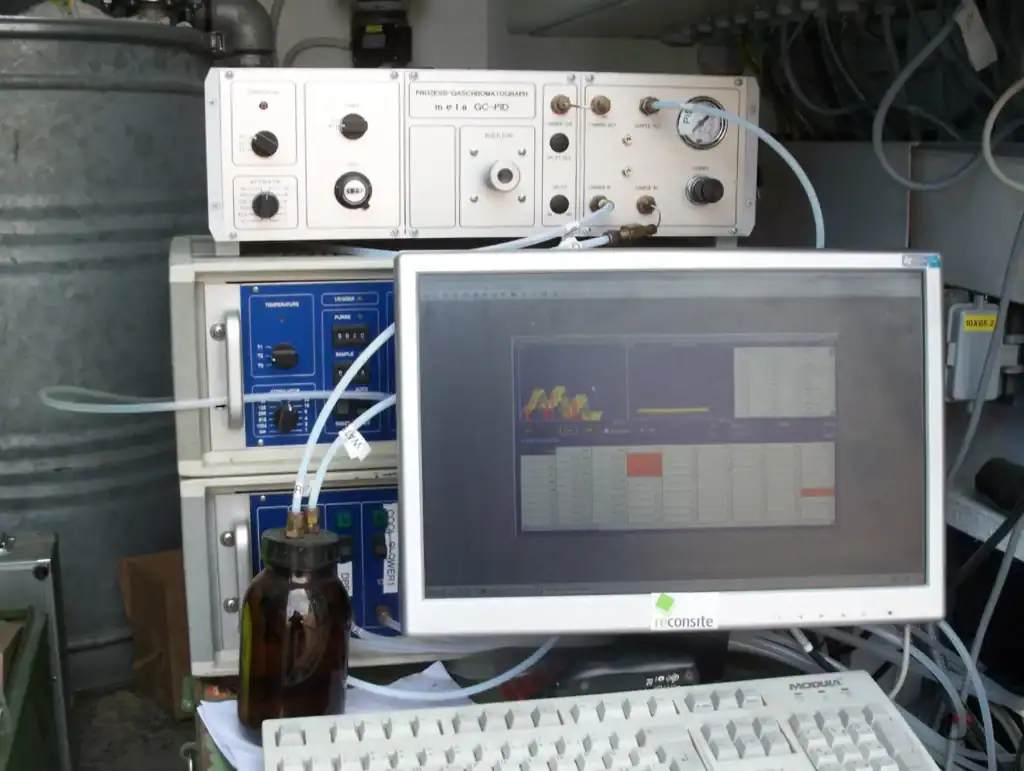
On-site treatment of groundwater using modular plant and equipment serves a variety of purposes on remediation projects. Pump & treat systems can be used to enable deep excavations and/or removal of in-ground obstructions. These can also form an integral part of enhanced in-situ groundwater remediation schemes.  All on-site treatments plants are ‘bespoke’ to suit the particular challenge, often including the following:

  • Solids & oils separation, including lamella separators, baffled tanks, oil/water separators and flocculant / coagulant dosage systems;
  • Air stripping to remove high volatile organic content;
  • Water filtration, including use of sand filters, bag filters, granular activated carbon and other enhanced filtration methods for more complex contaminants such as PFAS; and,
  • Oxygen infusion / nutrient dosage systems for in-situ recirculation of pre-treated groundwater.

In-situ Fluid Injection:

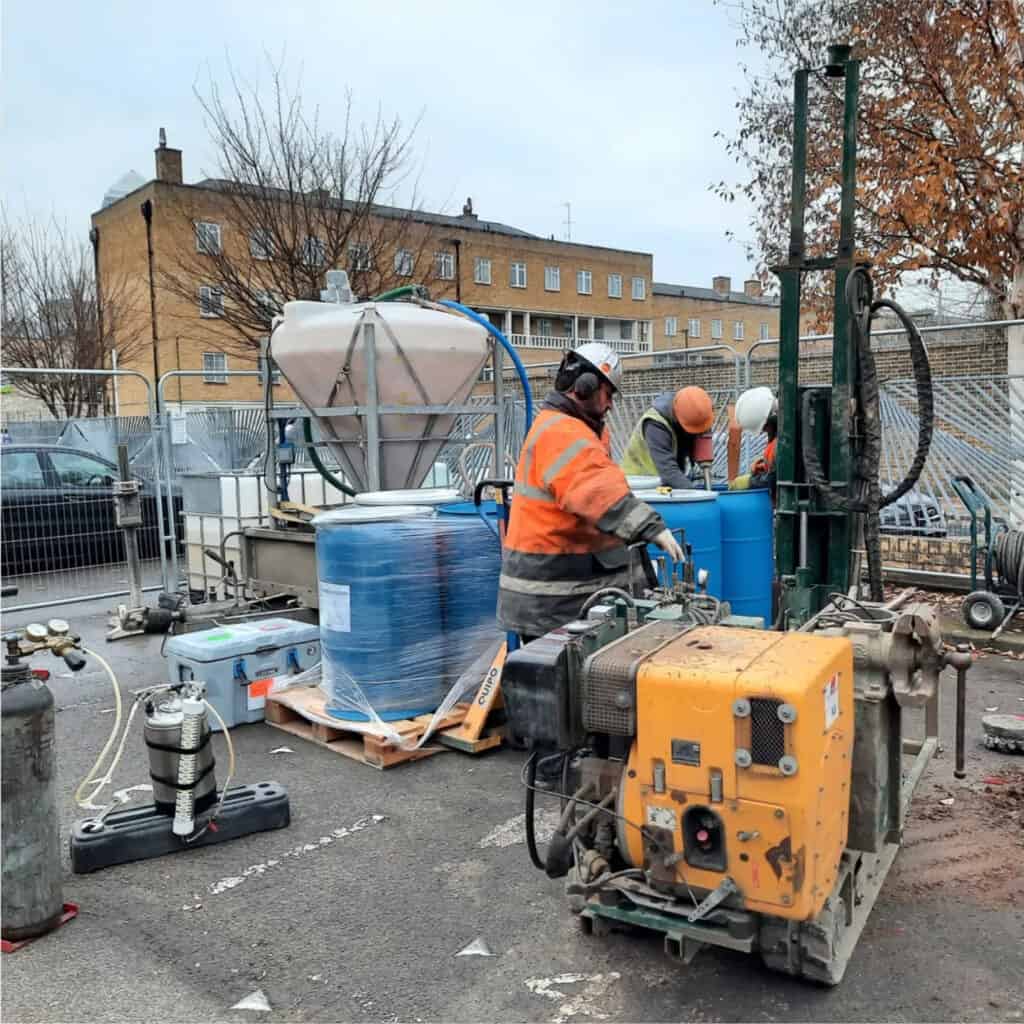
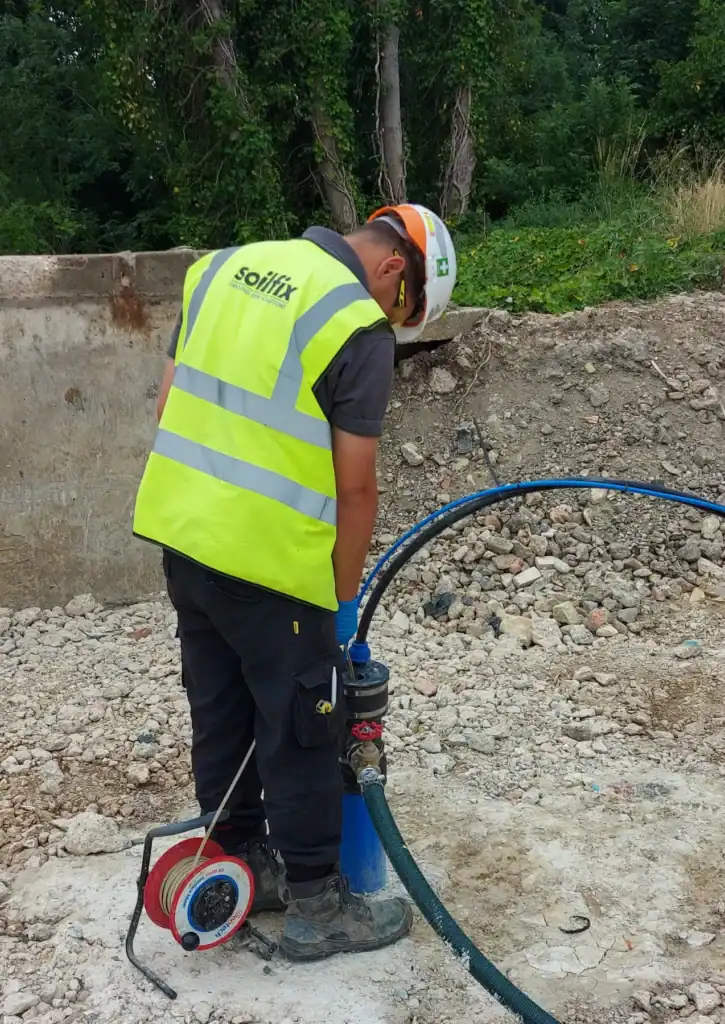
Liquid remediation amendments can be injected at targeted locations / depths to promote enhanced flushing of contaminants, creation of a permeable reactive treatment systems, promote enhanced natural attenuation and/or chemical precipitation.  The injection design approach is selected by our experienced team, using pre-wells, direct-push geoprobe or other techniques. The following remedial techniques are applied using fluid injection:

  • In-situ chemical oxidation (ISCO) technologies for accelerated breakdown of more persistent organic compounds and/or enhanced total fluids recovery;
  • In-situ chemical reduction (ISCR) of chlorinated solvents using Zero-valent Iron (ZVI);
  • Oxygen Release Amendments to promote enhanced aerobic breakdown of petroleum hydrocarbons and some solvents;
  • Chemical precipitation (e.g. hexavalent chromium) using reducing agents;
  • Immobilisation of contaminants using a cement-bentonite grout; and,
  • Colloidal activated carbon (CAC) for treatment of dissolved organic compounds and metals, including more persistent compounds such as pesticides and PFAS.  a permeable reactive treatment zone (PRTZ) or reactive treatment ‘gates’ as part of a permeable reactive barrier (PRB).

Process-based in-situ Remediation

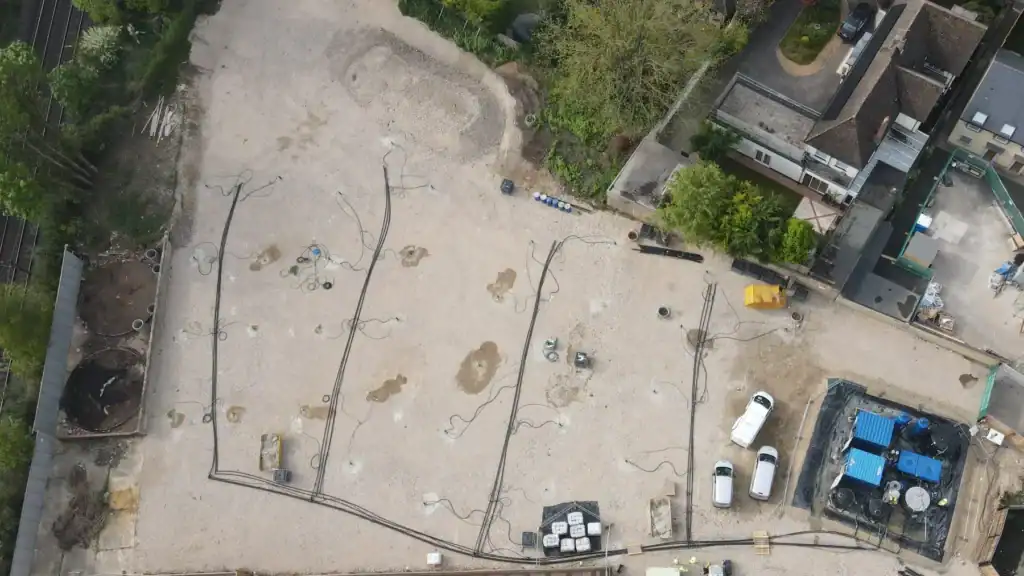
Often combined with treatment of soils in the unsaturated zone, in-situ groundwater treatment can be applied by Soilfix to a wide variety of settings and contaminants of concern. The following techniques are applied in-house:

  • Total fluids recovery via pumping wells – abstracted water / NAPL separated and treated using on-site plant;
  • Free-product (NAPL) recovery (with and without vacuum-enhancement) using pneumatic skimming, dual-phase and multi-phase vacuum extraction systems;
  • Free-phase recovery often enhanced through injection of surfactants or chemical oxidants to reduce surface tension on soil pores to speed up the remediation timeframe (and achieve higher levels of betterment);
  • Air sparge / SVE systems (including use of ozone); and,
  • In-well groundwater recirculation systems using pre-treated groundwater, on occasion infused with oxygen or nutrients to promote enhanced natural attenuation.

Thermally-enhanced in-situ Treatment

Soilfix has in-house experience in carrying out thermally-enhanced treatment of hydrocarbons, solvents or more persistent organics where logistics, tight delivery programme or geological constraints warrant a more active treatment approach.

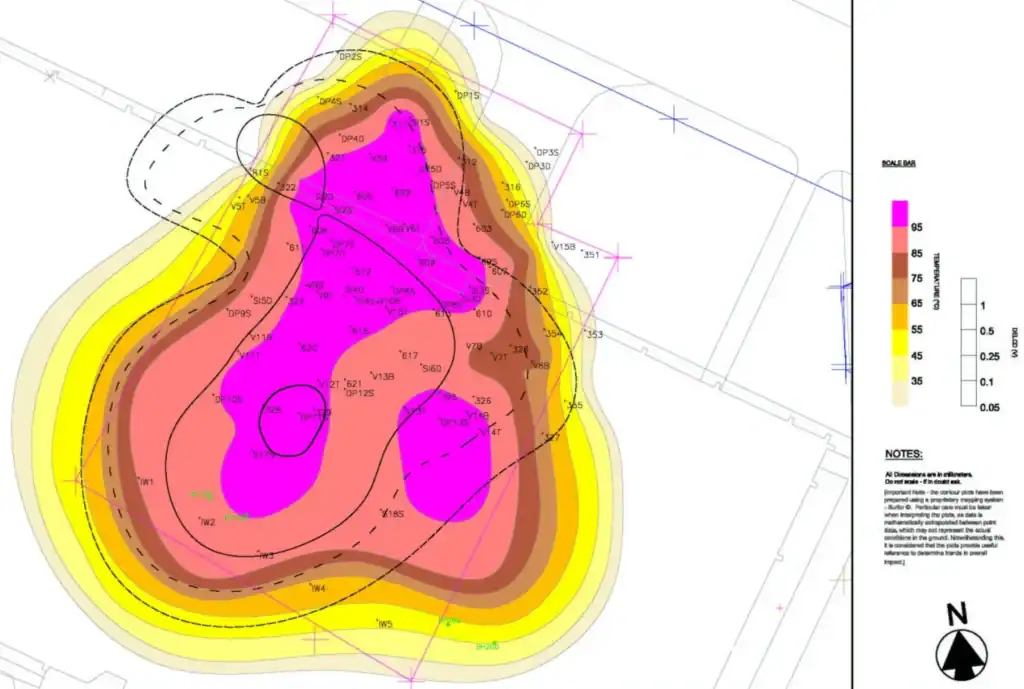
Working with specialist partners to provide design support and specialist equipment, thermal treatment can be applied using both steam and electric conductive heating (geology pending), or a combination of both techniques in a more complex, multi-layered formation.

We also have experience in carrying out ‘post-thermal’ fluid injection treatment, to take advantage of the latent heat retained within the target formation. Significant betterment of residual groundwater concentrations can be achieved as a result.

Talk to our team

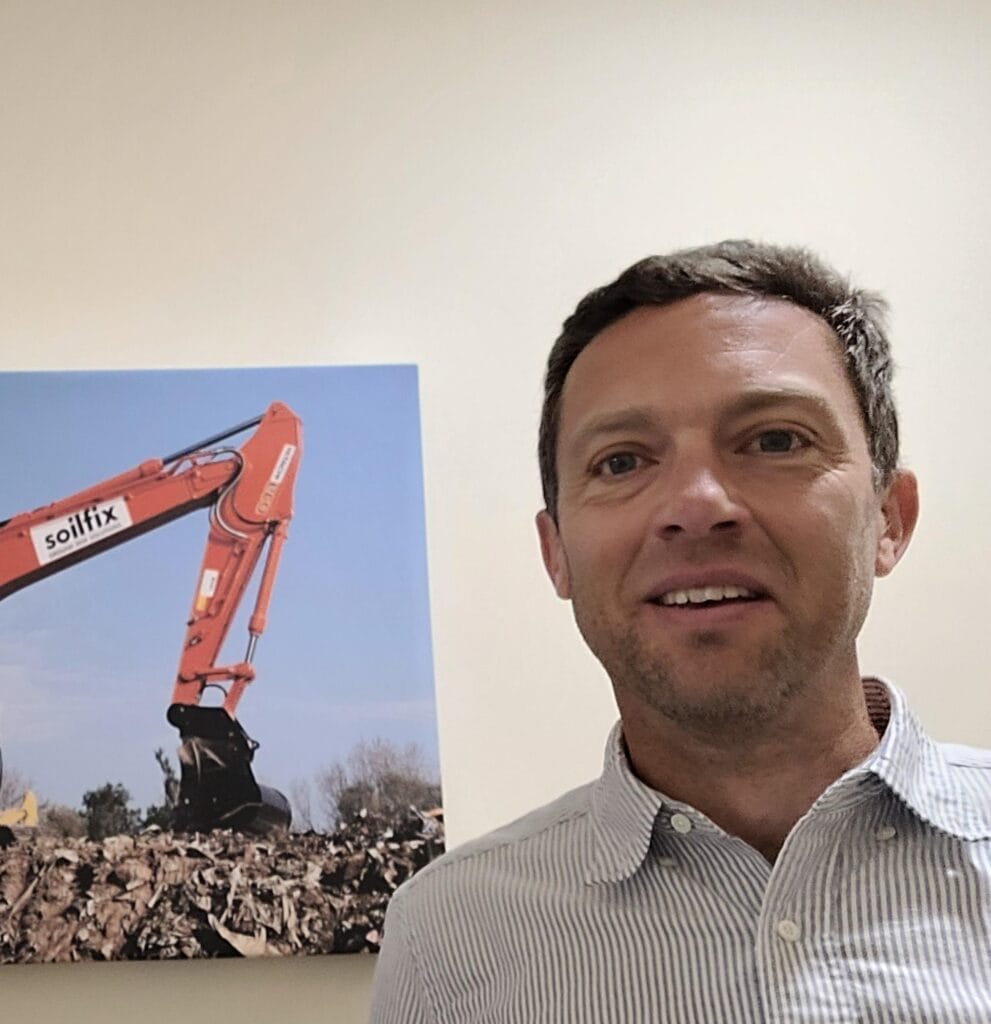
Peter Howland
Managing Director

Groundwater Remediation – Frequently Asked Questions

Groundwater remediation involves removing pollutants from underground water resources to prevent risks to drinking water and wider ecosystems. It’s required when contaminants like hydrocarbons, chlorinated solvents, or more persistent compounds such as pesticides, herbicides and per/polyfluoroalkyl substances (PFAS) concentrations in groundwater exceed safe levels.  Groundwater remediation is either carried out in isolation, or in conjunction with the remediation of contaminated soils.

We treat hydrocarbons, chlorinated / non-chlorinated solvents, PFAS compounds, heavy metals, and other persistent industrial pollutants such as plasticisers, pesticides, herbicides and ammoniacal nitrogen. Our solutions are designed to meet stringent environmental standards.

Technologies include pump-and-treat systems, colloidal activated carbon injection, in-situ chemical oxidation / reduction, surfactant-enhanced recovery, dual-phase vacuum extraction, thermal treatments, in-situ bioremediation, permeable reactive barriers or treatment zones. We select the most effective method based on site-specific hydrogeology and contaminant type and often utilise a combination of technologies as a ’treatment train’ approach.

We often conduct detailed site assessments, including hydrogeological studies, contaminant profiling, Remedial Options Appraisals supported by Sustainability Assessments and pilot treatability trials. This data informs a site-specific groundwater remediation implementation plan that balances technical effectiveness, cost, duration and compliance.

Our approach minimises disruption to site activities and often utilises low-intrusive techniques (such as direct-push injection) or installation of buried treatment infrastructure. We implement strict monitoring and controls to ensure safety and environmental compliance requirements are adhered to throughout the process, whilst ensuring that nearby watercourses or supplies are not adversely impacted during treatment.