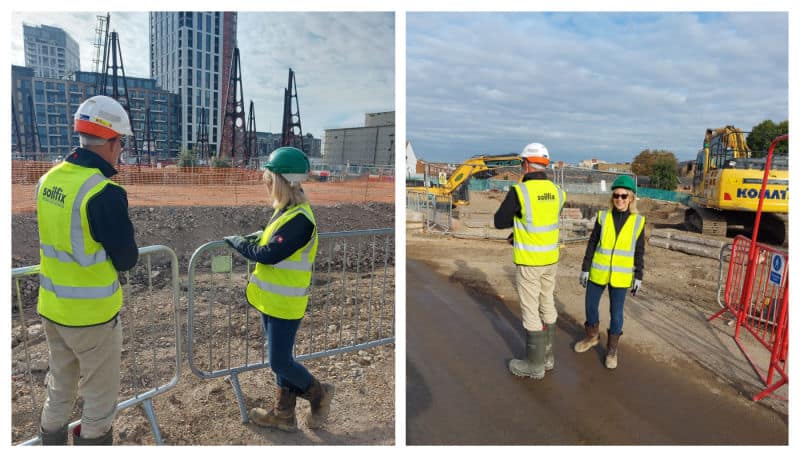
My visit to the St. William/Soilfix Kings Road Park Fulham development was on par with the first day in a new senior school. Vast, noisy, people and posters everywhere, keeping up with your nominated person (Lewis Hunt) and not getting lost on the way back from the loo!

What is so different about this site?
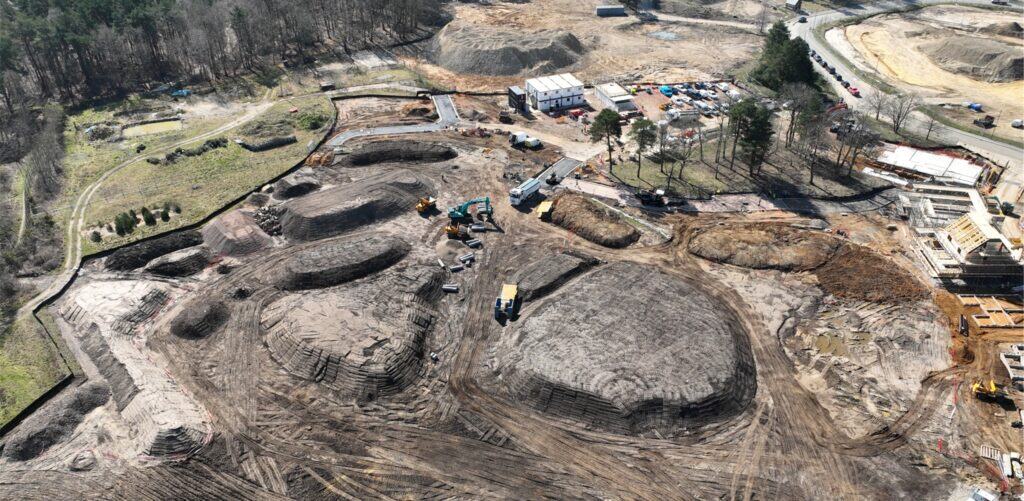
This project is a large-scale, high-profile regeneration of the former Fulham gasworks site in South-West London.
A joint venture between the Berkeley Group and National Grid that specialises in the redevelopment of redundant gas production and holder sites across London and the South East.
The centrepiece of the development will be the restoration of the Grade II listed gasholder, which was constructed in 1829 and was at the time the largest in the world. It is now regarded as the oldest gasholder of its kind in the world.
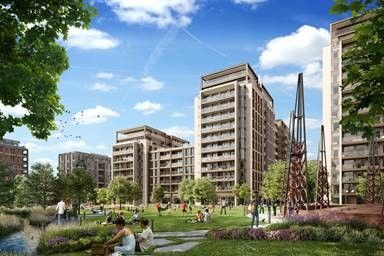
As the project progresses, the cast iron tripods surrounding the old gasholder will be systematically dismantled and sent to a specialist refurbishment company in order to restore this fantastic structure to its former glory.

In addition to more than 1,800 new homes, the project will be set within six acres of beautiful landscaping – including a public park and square – and will also provide 100,000 sq ft of commercial space that will include restaurants, bars and offices.
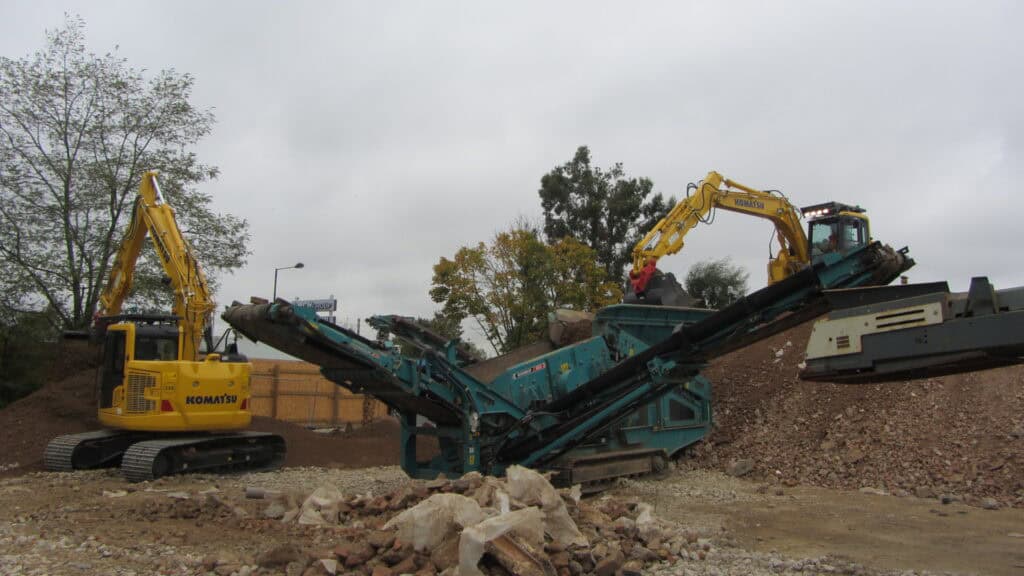
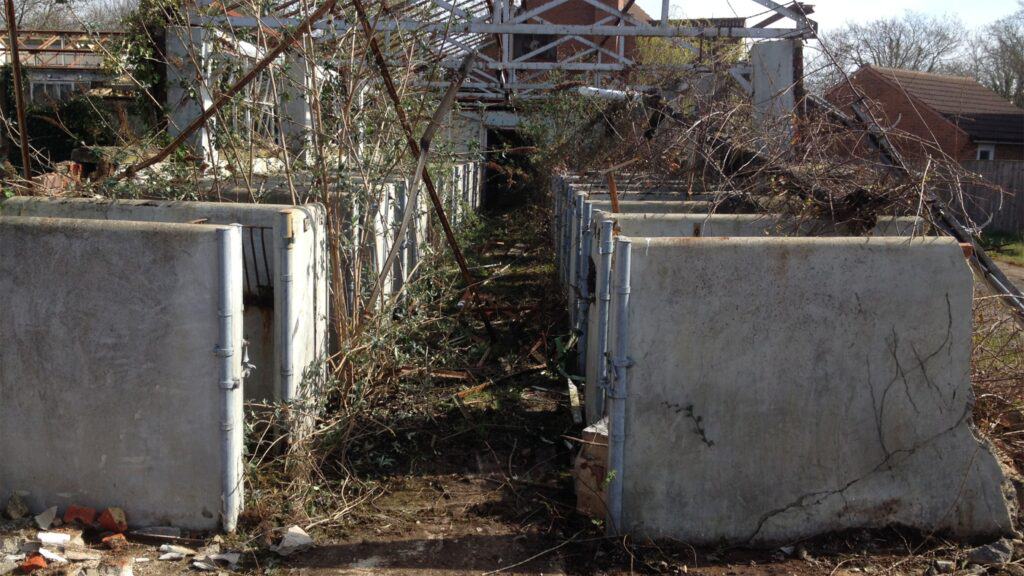
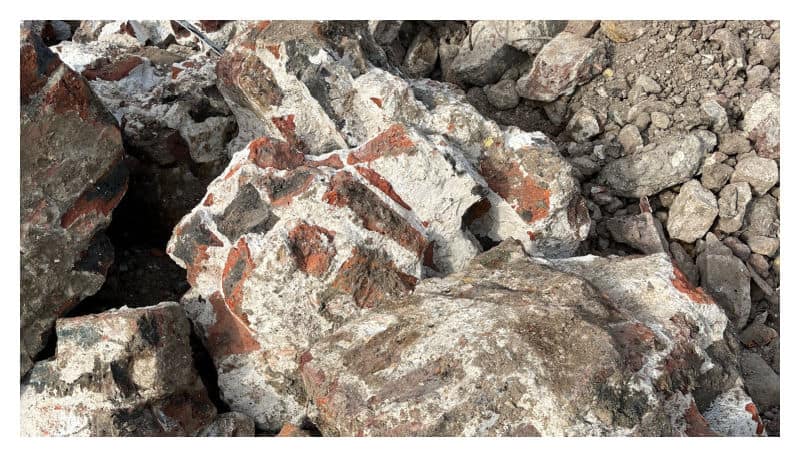
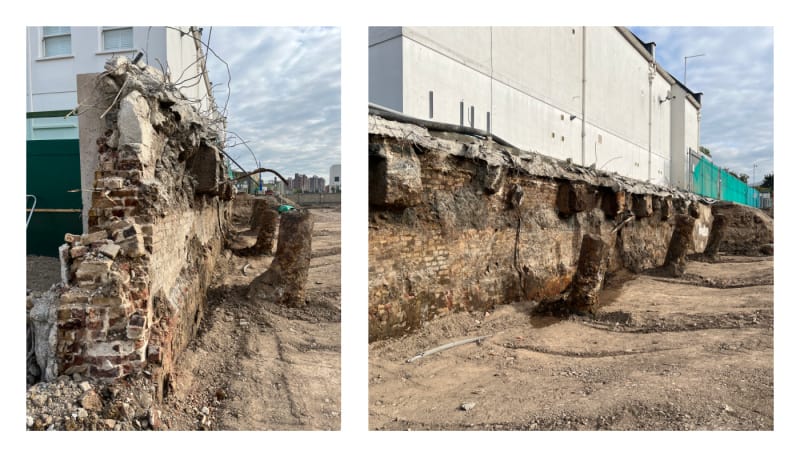
Given its age and history, it was rather humbling standing within the ruins of one of the previous gas holders. I find historical London fascinating. I hoped something could have been done with the bricks as part of the construction, but unfortunately, as you can see, this wasn’t possible. However, a recycled aggregate will be produced for a sustainable construction process.
Colin Hiscock, Project Manager for Soilfix at Fulham, very kindly walked and talked me through the site.
He explained that there is a historic wall that was retaining soils at the site to a height of around 2.5 m.
The soils were in need of removal to facilitate the installation of a piling mat. Soilfix along with our structural engineer carried out calculations and careful excavation to ensure that the wall was capable of free-standing.
This was a very tricky operation as the wall is contiguous with a residential property so the excavation and breaking was carried out carefully and with the presence of real-time and remote vibration monitoring.
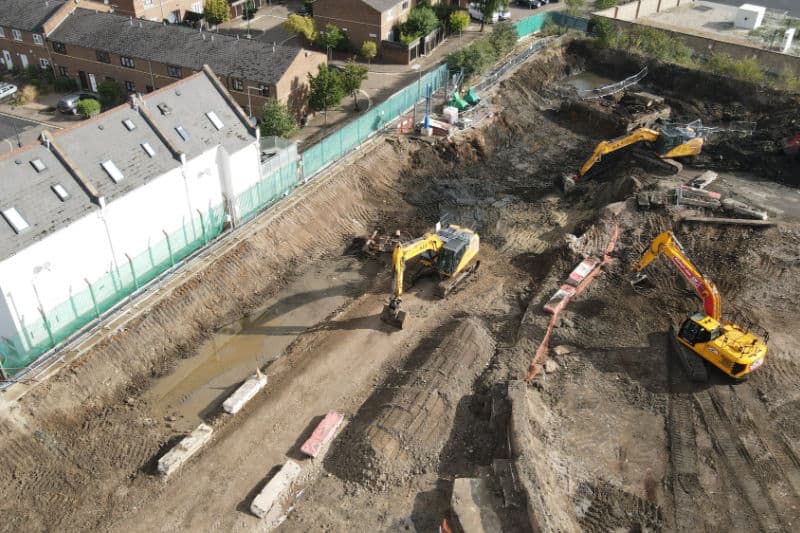
The large steel piles that can be seen are anchors for wall ties, installed historically, to provide a counterforce to that of the retained soils.
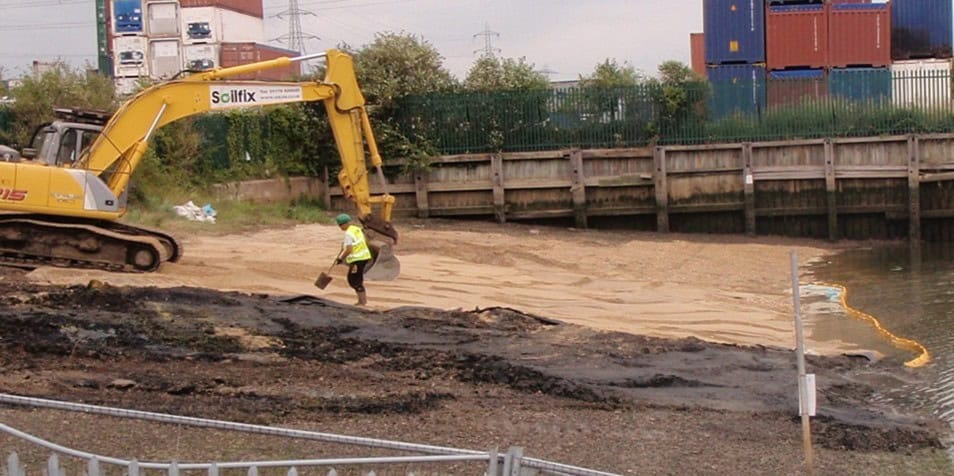
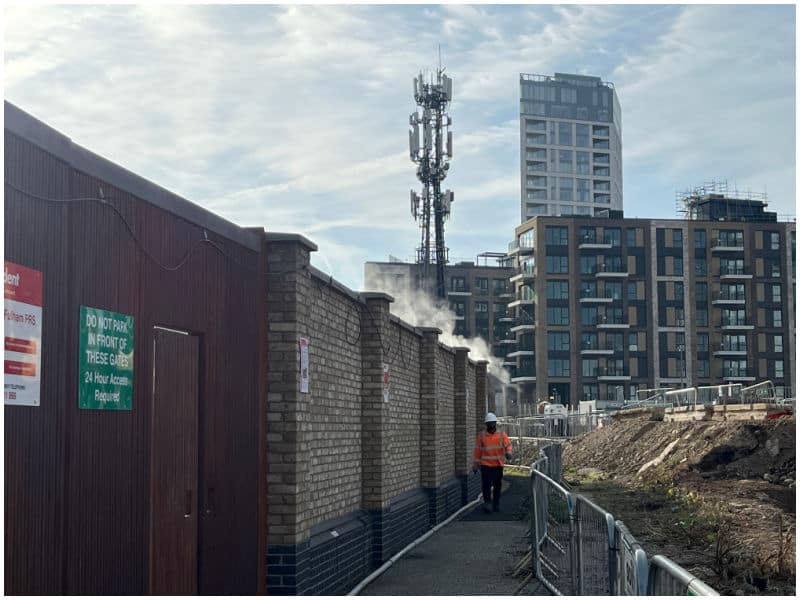
Contamination was evident in this location and this was removed for sustainable recovery off-site and backfilled. Again, a very tricky operation as the contamination was close to the neighbouring property. Therefore, Soilfix used mobile and fixed odour suppression units and the excavation works were carried out in a controlled manner, observed by our Site Engineer with additional monitoring equipment. No complaints regarding odour were received during these works.
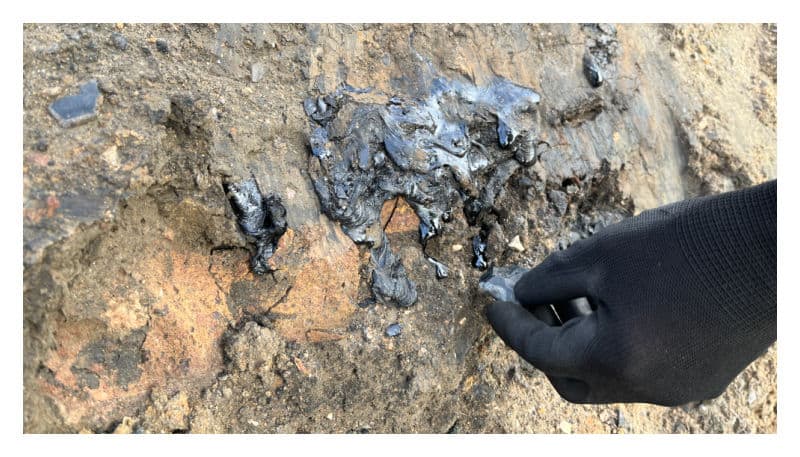
Pockets of tar within the excavated material are one of the many contaminants found on site. Coal tar is obtained by cooling the gas that is formed during the destructive distillation of coal to approximately ambient temperature. It is a black, viscous liquid composed primarily of a complex mixture of condensed-ring aromatic hydrocarbons.
There are many challenges to overcome at this site, whilst completing these works in a safe manner and meeting the overall construction programme.
This could not be achieved without the high level of collaboration and communication between Soilfix and St William site teams.