Our Approach

Environment & sustainability

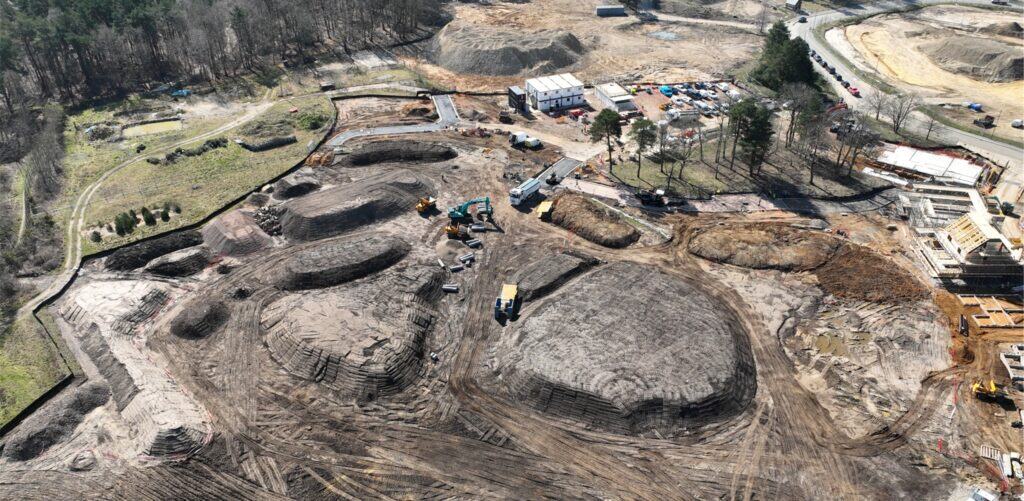
Environmental management and sustainability lie at the heart of what we do. Soilfix prides itself on having an exemplary environmental record with no prosecutions or enforcement actions since the company was formed in 2004.

Helping meet greenhouse gas emission and sustainability targets

To safeguard our environment, we recognise that reducing greenhouse gas (GHG) emissions, diverting wastes from landfill and sustainable re-use of soils and aggregates are becoming an increasingly important aspect of development projects on brownfield sites.  Accredited to BS EN ISO14001, Soilfix is committed to providing its clients with the most sustainable use of materials generated on the site, to support their own Circular Economy objectives, as well as helping them meet GHG emissions reduction targets.

Reducing Greenhouse Gas Emissions

As part of its journey towards achieving ‘Net Zero’ and to reduce GHG emissions, Soilfix has developed a ‘remediation-bespoke’ Carbon Calculator tool to calculate GHG emissions from remediation & enabling projects. It has been deployed from tender stage through to design and implementation stages of a project, and can be used to both predict GHG emissions for a particular project as well as estimate actual emissions at project completion.

As well as helping Soilfix understand (and reduce) its GHG emissions, this tool can help clients and their consultants make better informed decisions by identifying remediation & ground engineering option(s) with lower potential emissions. We are also advising clients on what their investment in using green fuels such as hydrogenated vegetable oil (HVO) means in terms of GHG reductions on Soilfix projects.

Our carbon calculator tool can assess a range of options to use alternative, more sustainable amendments for modification / treatment of soils, a wider range of recycled aggregate products through to more sustainable off-site treatment alternatives to landfill disposal.

Sustainable Remediation

Soilfix was one of the leading advocates and supporters of the Sustainable Remediation Forum (SuRF).  Sustainable remediation is defined by SuRF-UK (2010) as “the practice of demonstrating, in terms of environmental, economic and social indicators, that the benefit of undertaking remediation is greater than its impact and that the optimum remediation solution is selected through the use of a balanced decision-making process”.
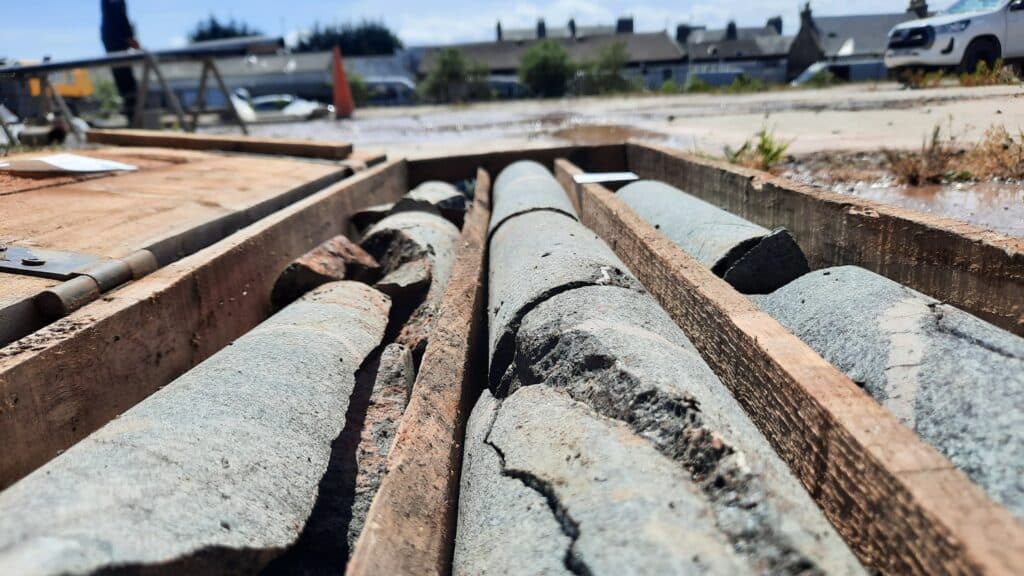
Soilfix regularly carries out Tiered SuRF Assessments to support the decision-making process to determine the most sustainable remedial tiered option to meet the project objectives.

Helping Meet Circular Economy Requirements

In a circular economy, products are made to last longer, communities share resources and save money, and businesses are maintaining, reusing, re-manufacturing and recycling materials to create more value for current and future generations.

Soilfix measures to support our client’s Circular Economy objectives frequently include:

  • Advanced planning and design of sustainable materials management on projects;
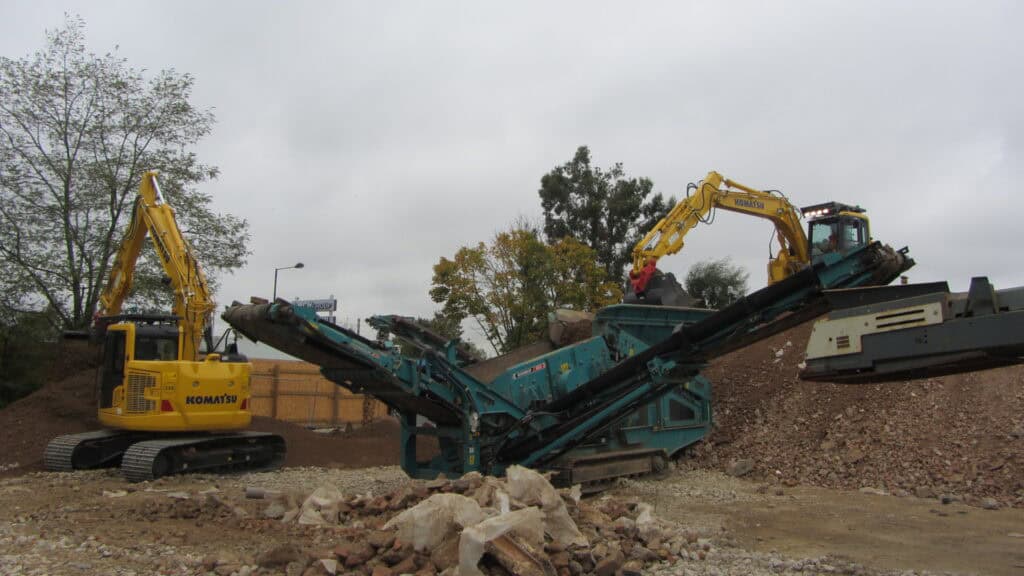
  • Processing site-won concrete, brick and tarmac to form engineered material;
  • Reuse of sub-grade granular materials, including for sustainable urban drainage (SuDS) and highways construction;
  • Enhancement of the geotechnical properties of existing materials, including construction of more sustainable ‘Hybrid’ Construction Platforms;
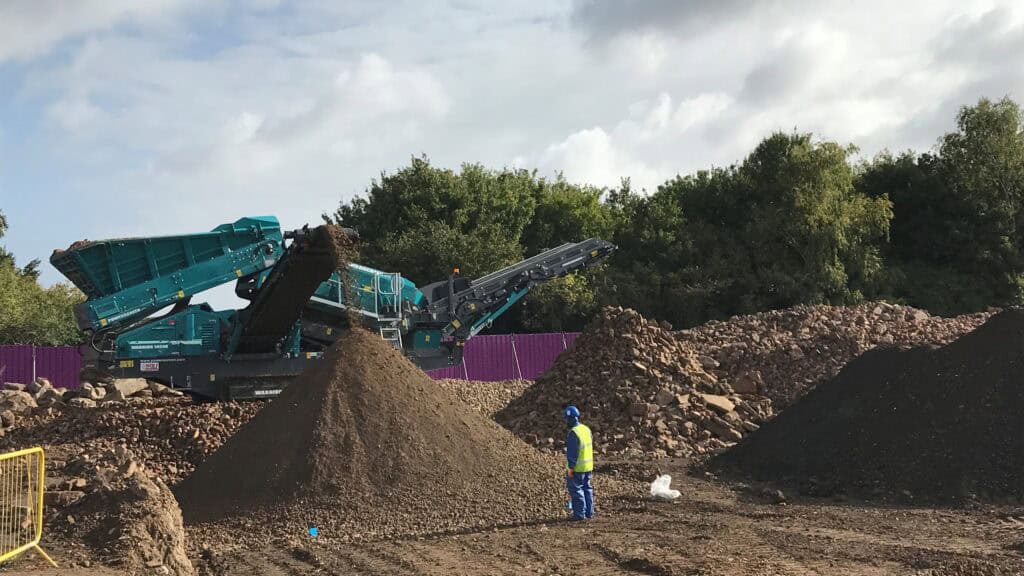
  • Manufacture of topsoil and subsoil from contaminated strata;
  • Composting of green waste; and,
  • Off-site recycling of metalwork.

These operations decrease traffic movements, carbon emissions and overall build costs. In doing so Soilfix makes a significant contribution towards a client’s sustainability goals and contribute towards project specific BREEAM criteria.

Environmental Compliance

To ensure clients are fully compliant with environmental permitting regulations during remediation projects, Soilfix holds a bespoke multi-site Environmental Permit (EPR/RP3795FC) covering a wide range of ex-situ / in-situ remediation technologies.  Our permit is technically managed by five full-time WAMITAB Certificate of Technical Competence (CoTC) holders to manage and audit its remediation activities to the satisfaction of the Environment Agency.

Soilfix routinely implements environmental best practice during its remediation operations and is continuously developing new approaches to effectively manage emissions without hindering the remediation process or programme.  These include:

  • Engineered containment for storage / handling of contaminated soils and water;
  • Monitoring of fugitive emissions including dusts / fibres, odours, noise & vibration; and,
  • Control of fugitive emissions through use of odour / dust suppressant systems, off-gas treatment, covering stockpiles, noise abatement measures, anti-vibration controls; and,
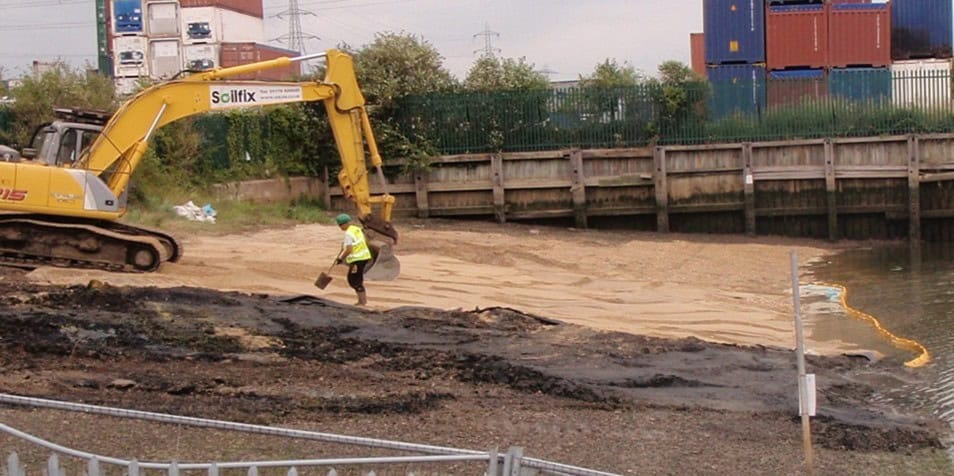
  • Containment measures to prevent contamination of adjacent watercourses including booms, berms & temporary barriers.
Neil Everitt

Talk to our team

Neil Everitt
Bid Manager

Our projects