THE CHALLENGE:
The objective of the works was to target a chlorinated solvent source area (and associated plume) identified in the shallow groundwater in the vicinity of a (previously removed) solvent UST. Significantly elevated concentrations of Perchloroethene (PCE) and daughter products (principally cis-DCE) were identified in shallow groundwater monitoring wells screened within the weathered chalk strata, causing elevated concentrations in the underlying structured chalk and a potential off-site migration risk. Active remediation was therefore required in challenging geology.
OUR SOLUTION:
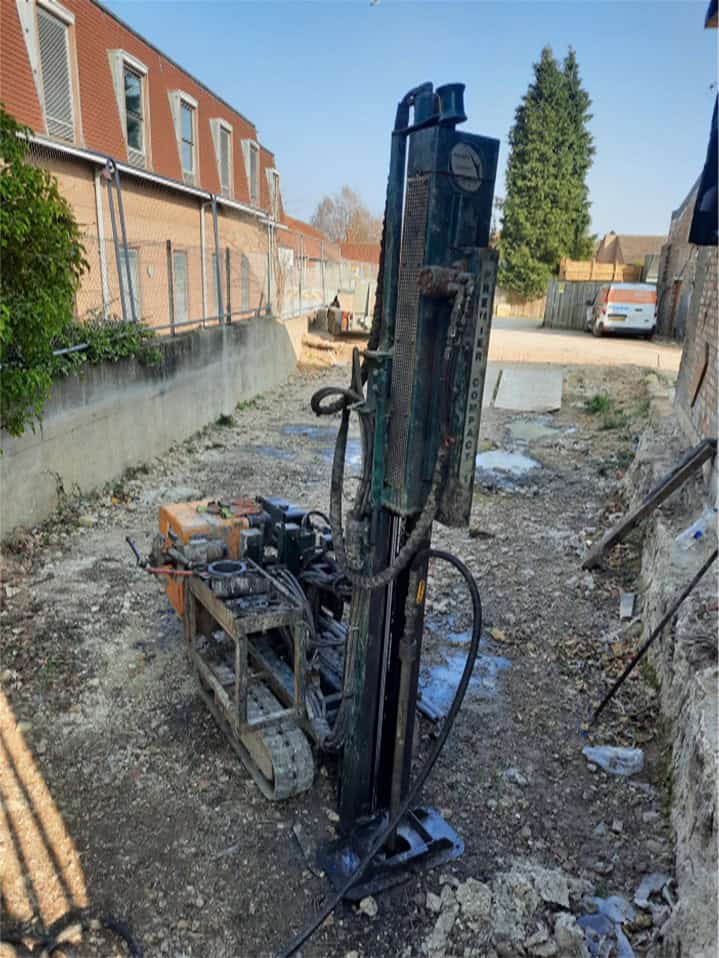
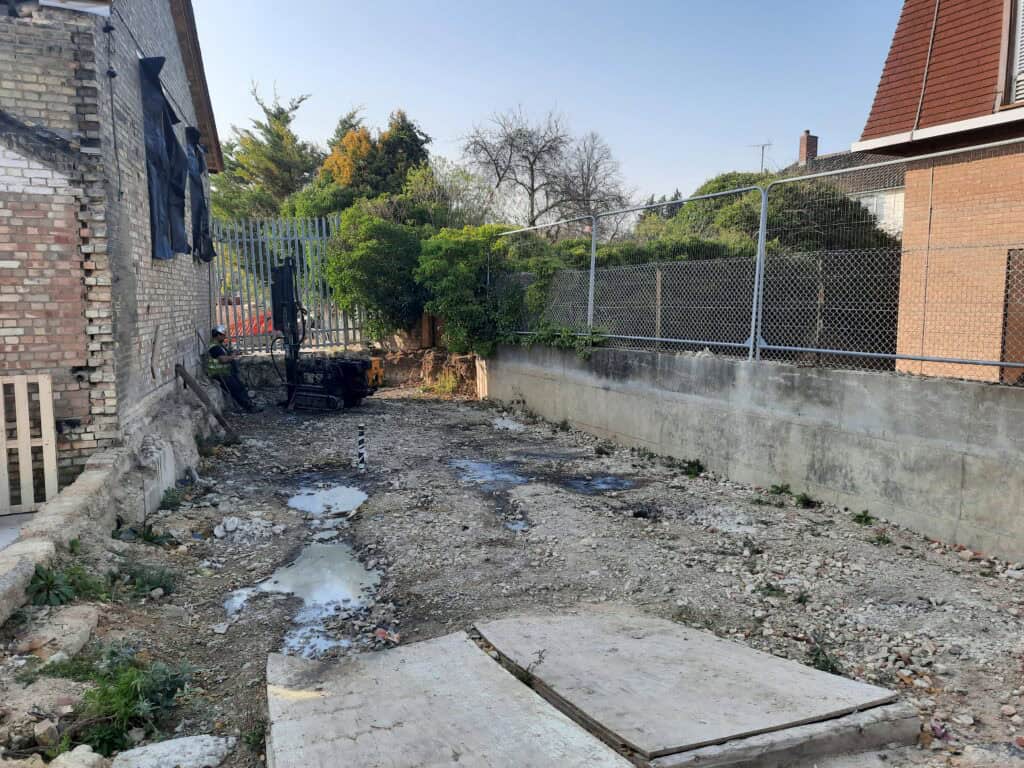
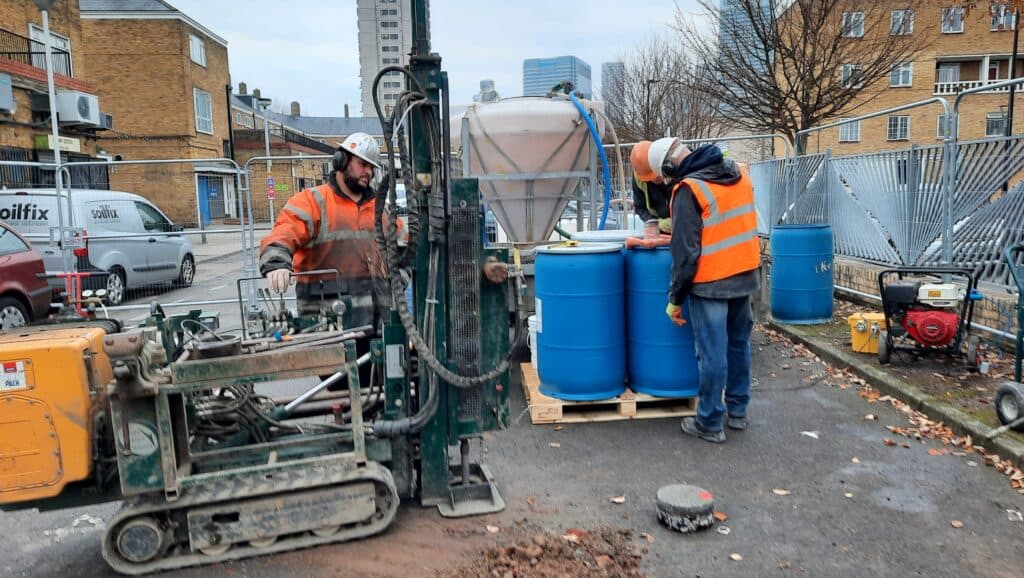
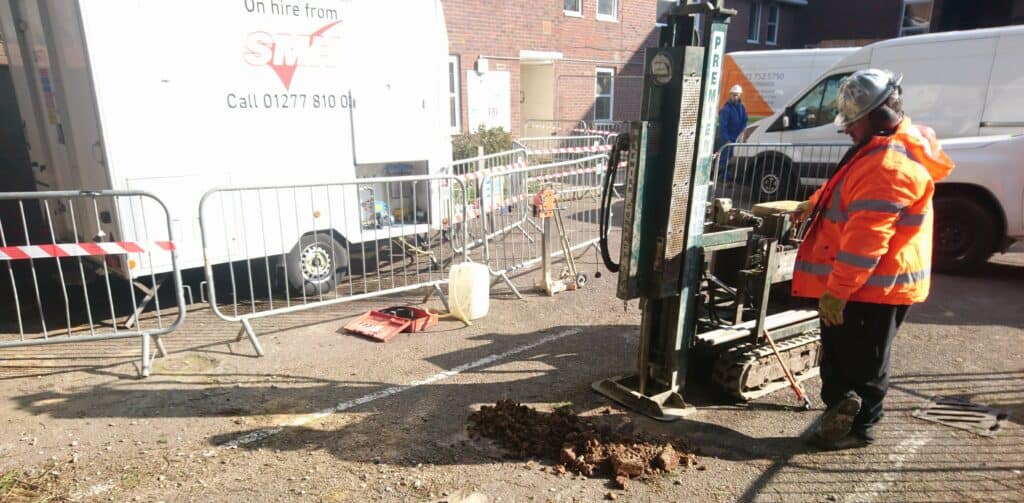
Targeted source injection was carried out using direct-push techniques to promote accelerated breakdown of TCE and daughter products through combination of biotic and abiotic (chemical processes) to achieve enhanced reductive de-chlorination (ERD):
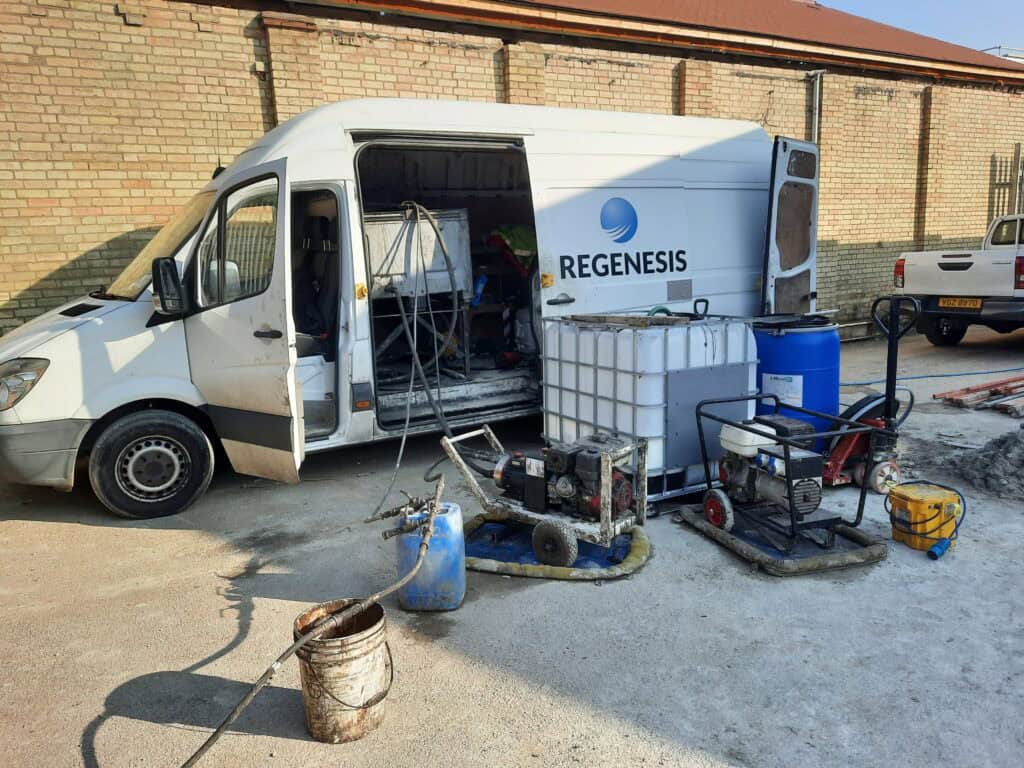
- Colloidal micro-scale Zero-valent Iron (ZVI) was injected to promote rapid chemical reduction of TCE and create strong reductive conditions favourable to anaerobic biodegradation;
- A controlled-release substrate, 3D Microemulsion (3DMe) and Bio-Dechlor INOCULUM Plus (BDI+) was also co-injected with the ZVI. 3DMe enhances de-chlorination of the plume and BDI+ promote bioaugmentation and the breakdown of both TCE and daughter products within the source area and down-gradient plume; and,
- A secondary ‘top-up’ round of 3dME / BDI+ injection was carried out to promote a further reduction in daughter product concentrations.
Post-injection monitoring carried out by B2G on behalf of the client confirmed strong reducing conditions persisted, and a significant reduction of PCE from a peak of 85,000 ug/l in the central source to <63ug/l within 12 months of injection. Concentrations of daughter products demonstrated a continual decline in both shallow and deep monitoring wells, and the area signed off by the EA to enable planning conditions to be discharged and the redeveloped site successfully divested to a pension fund.