PHASE 1 – THE CHALLENGE:
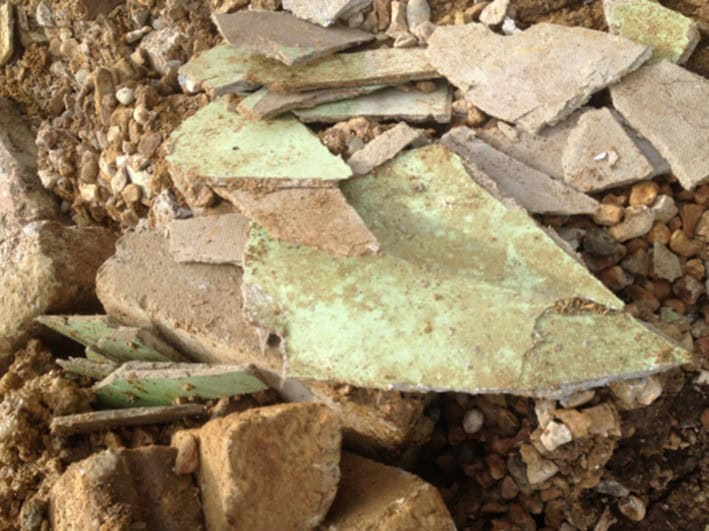
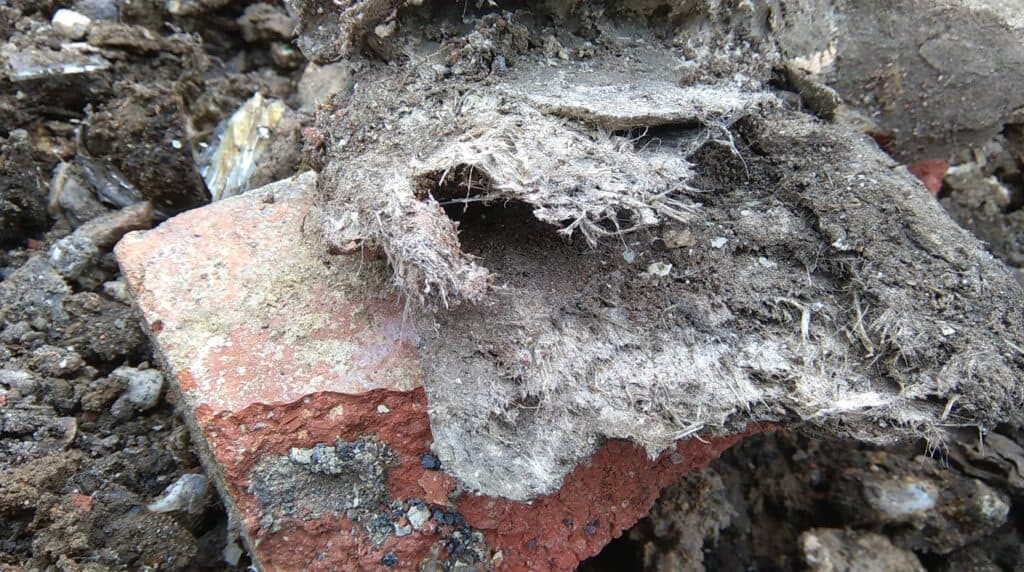
The site, a former Dairy Research laboratory operated by the NIRID contained several sources of contamination including a former boiler house, incinerator, animal / laboratory waste burial pits as well as widespread contamination (mostly unforeseen) asbestos cement and asbestos insulation board (AIB) fragments with associated fibres. The site therefore required comprehensive remediation under stringent health & safety procedures to protect the health of future residential occupants.
OUR SOLUTION – Former Animal /Laboratory Waste Burial Pits:
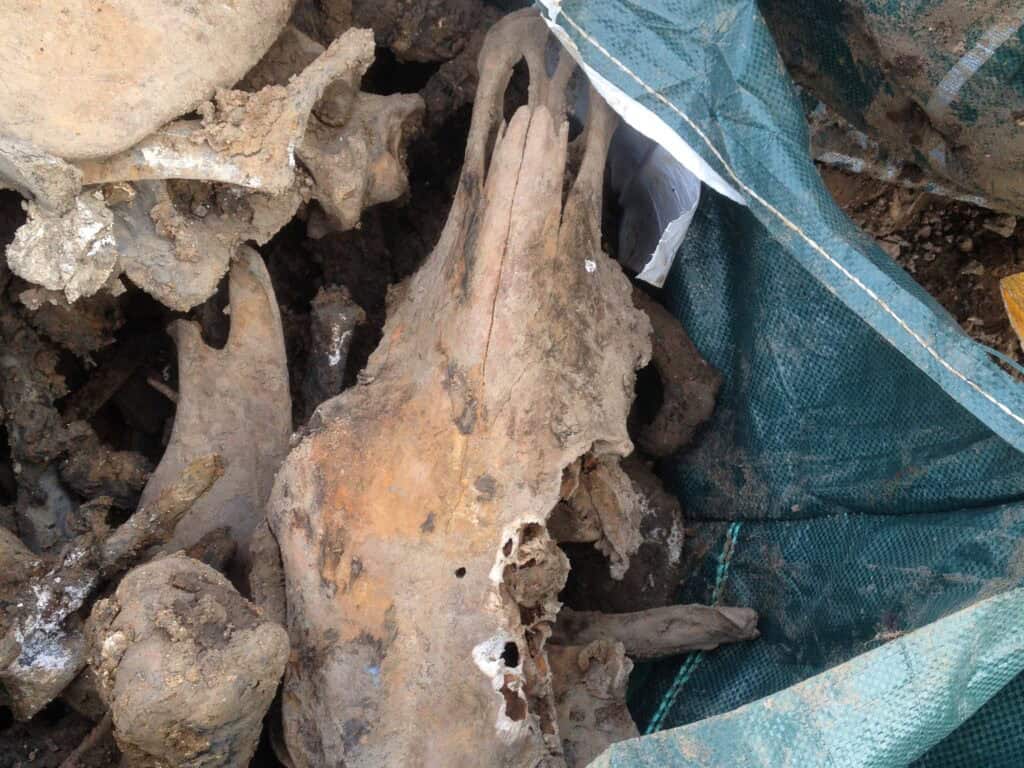
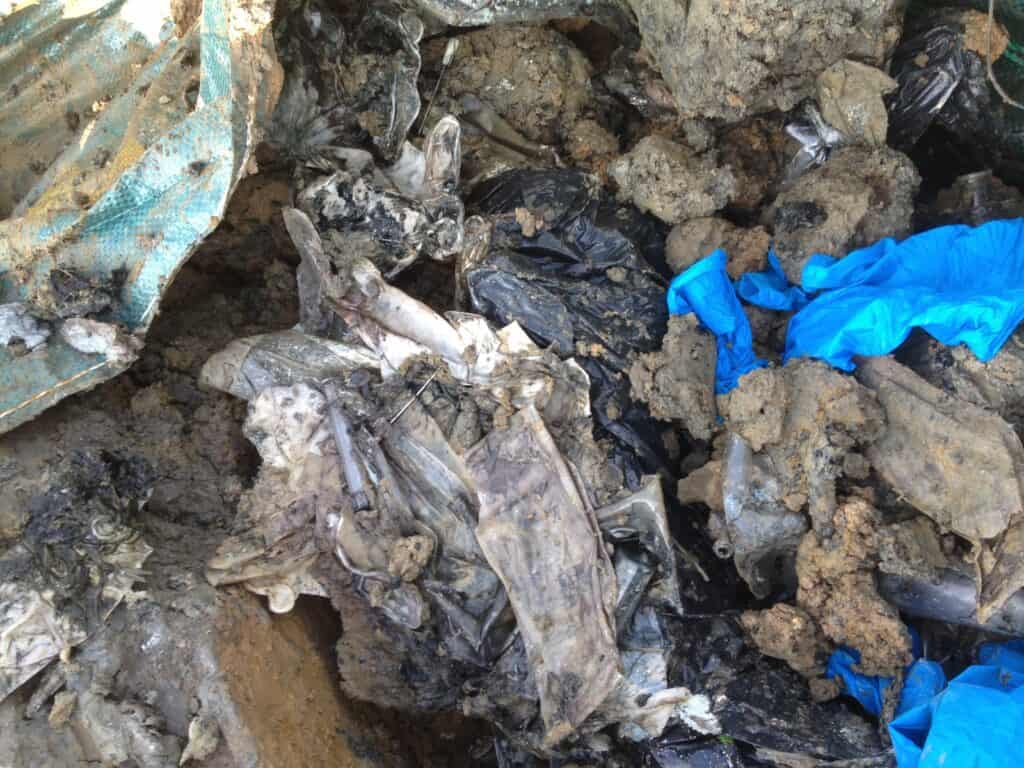
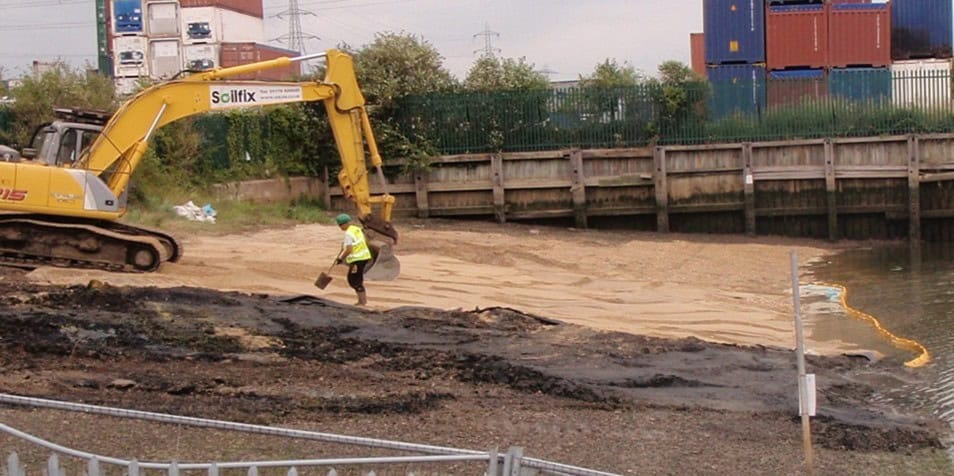
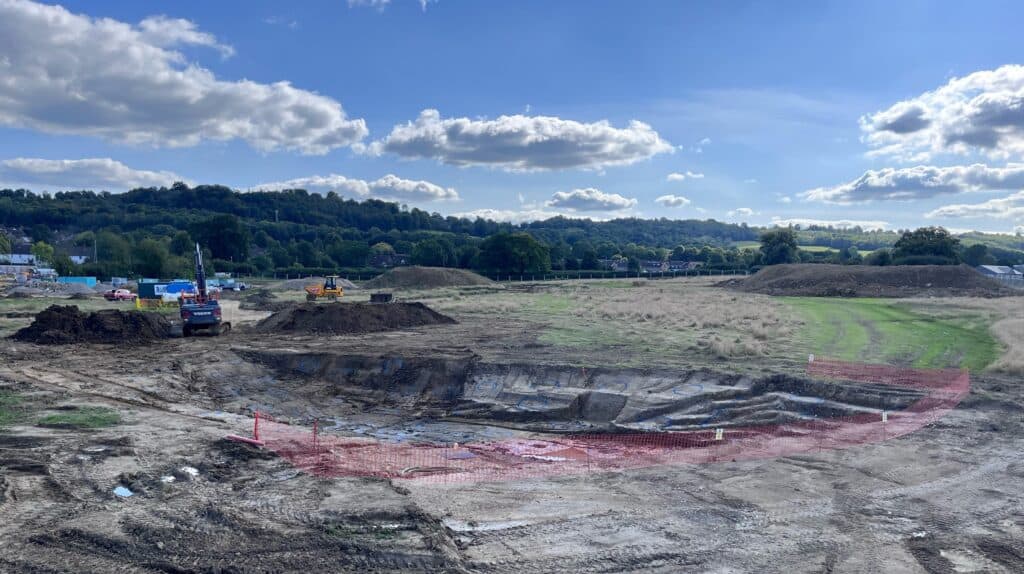
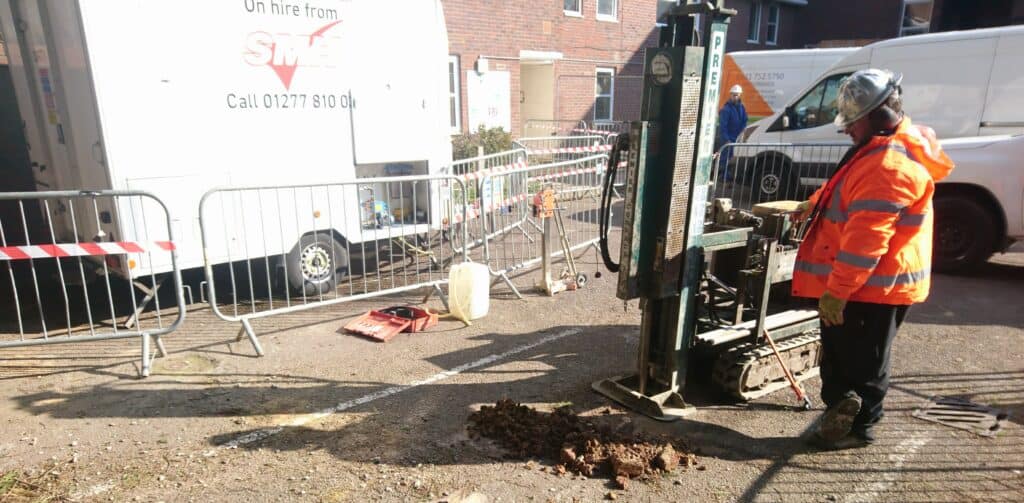
Soilfix completed remediation works in 2 phases. During Phase 1, 7nr burial pits identified during a previous investigation by RPS that were known to contain radioisotope-containing animal remains, laboratory wastes as well as asbestos contamination. Although levels of radiation were previously identified to fall below ‘very low level waste’ (VLLW) thresholds in only one animal burial pit, all works were carried out under the supervision of a Radiation Protection Supervisor (RPS) and the overall management of a Radiation Protection Advisor (RPA) due to high potential for radio-isotopes in other pits. Works carried out included:
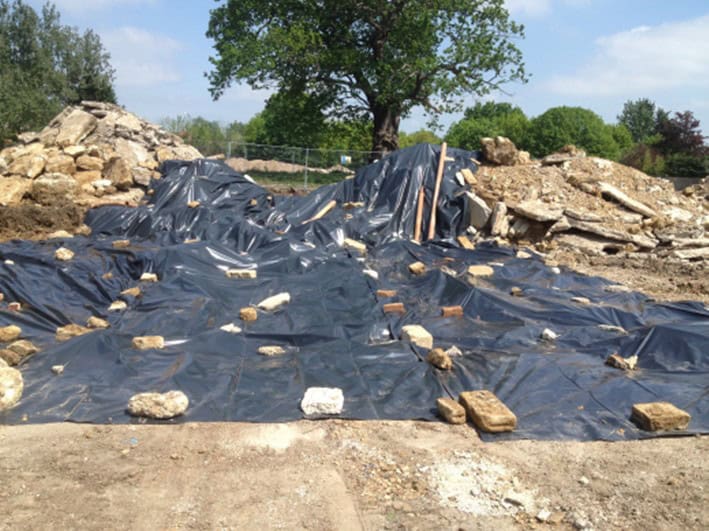
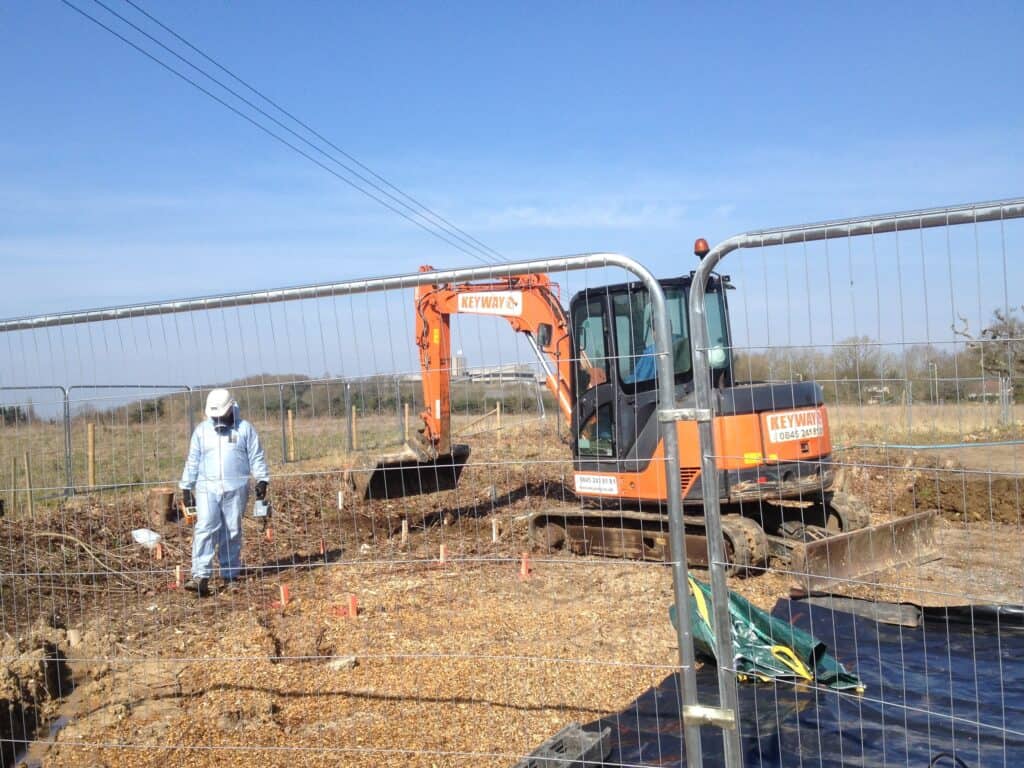
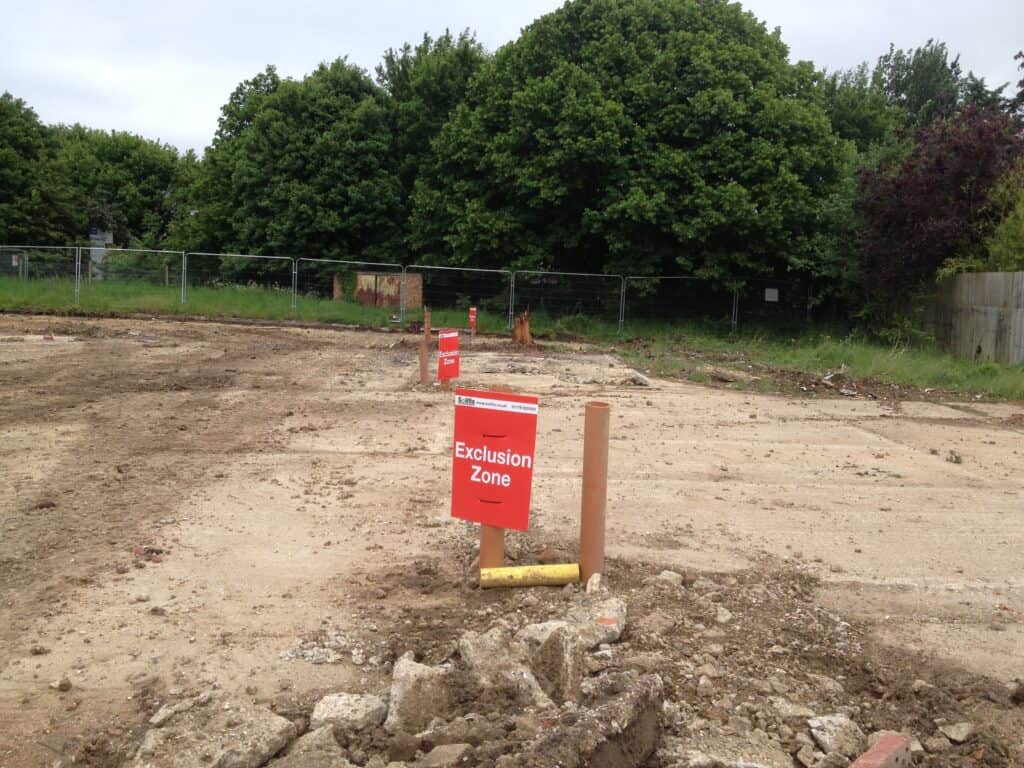
- Establishment of a securely fenced quarantine works area around the former burial pits, with polythene laydown areas for excavated materials;
- Sequential, controlled excavation of the 7nr burial pits under RPS supervision, who carried out radiological screening of all excavated arisings;
- Segregation, packaging & disposal of VLLW wastes—20m3 removed to permitted facility;
- Segregation of 270m3 soils containing animal remains, asbestos >0.1% and laboratory wastes to hazardous waste to a suitably permitted facility;
- Segregation of 880m3 soils with no visible animal remains, <0.1% asbestos content to a suitably permitted non-hazardous facility;
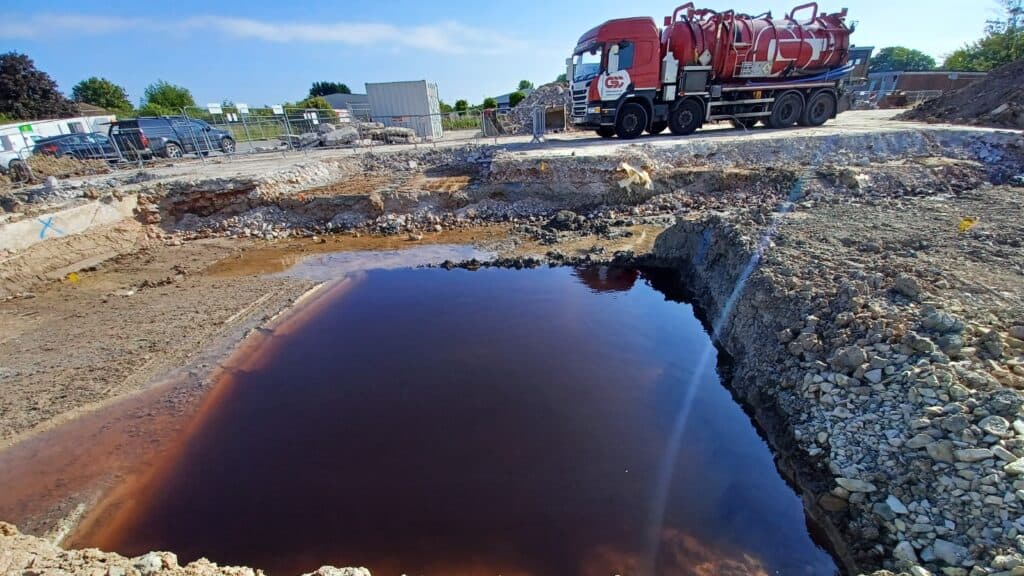
- Pumping, testing and removal off-site of perched waters from burial pits that potentially contained radiological contamination to facilitate safe excavation; and,
- Stringent environmental controls and occupational hygiene monitoring required during all works—exposure levels for all site staff confirmed below control limits.
Out of a total 2,100 tonnes waste excavated from the burial pits, through surgical excavation and on-site screening only 36 tonnes of radiological waste required separate off-site disposal.
PHASE 2 – THE CHALLENGE:
Phase 1 remediation works identified significant unforeseen asbestos containing materials (ACM’s) and associated fibrous contamination, in particular below/around the former research buildings across the site. Sources of localised hydrocarbon contamination (underground storage tanks and chambers) as well as heavy metal contamination (ash from former incinerator) also required remediation. Localised areas impacted with fibrous ACM’s had to be quarantined, with remediation carried out as Licensed Works under the Control of Asbestos Regulations (CAR) 2012.
OUR SOLUTION:
Supplementary remediation works, carried out fully in accordance with CL:AIRE Code of Practice, comprised the following:
- Decommissioning & removal of above / below ground storage tanks;
- Targeted excavation and segregation hydrocarbon and metal hotspots with off-site disposal;
- Controlled lifting of concrete slabs, foundations & drainage infrastructure a watching brief, segregating clean from asbestos impacted concrete for disposal off-site;
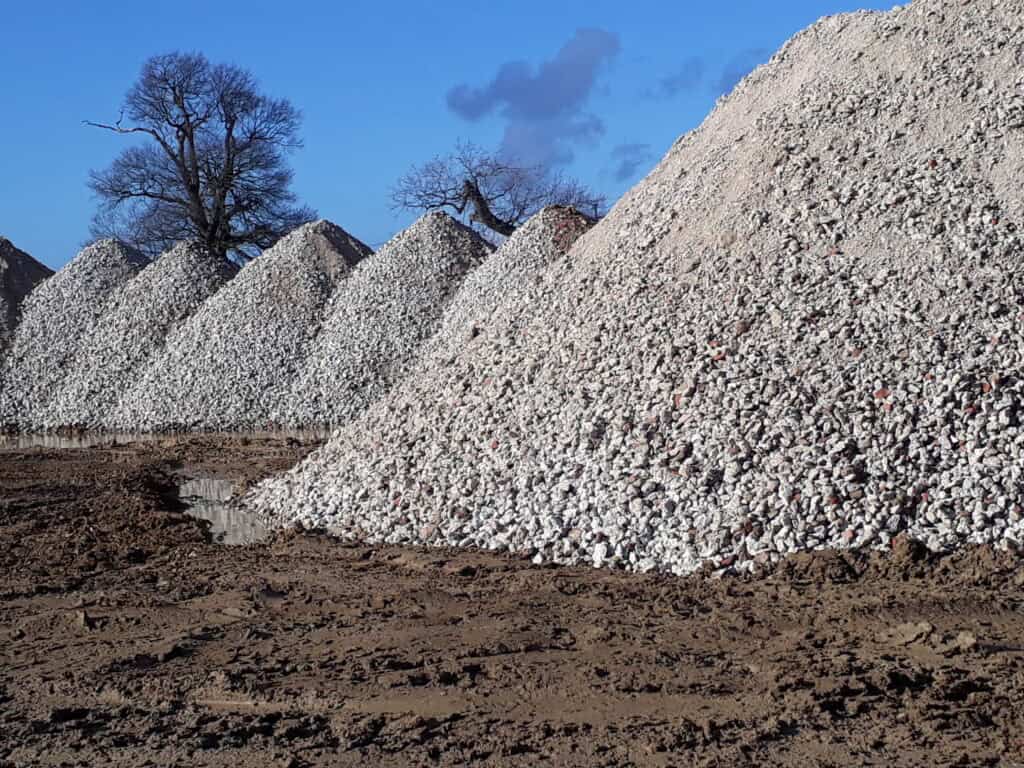
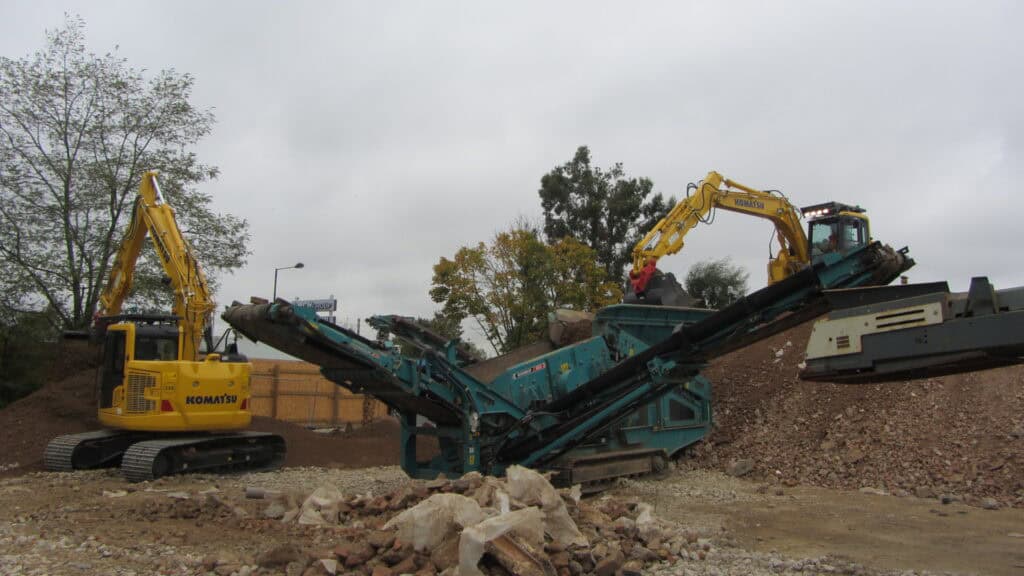
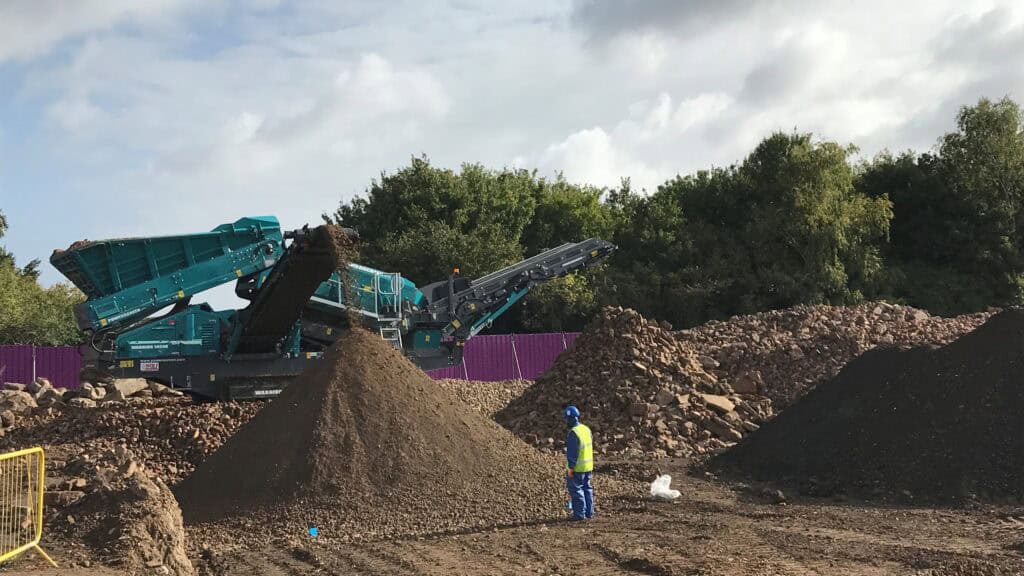
- Processing recovered concrete to both Type 1 & 6F2 specifications for sustainable re-use;
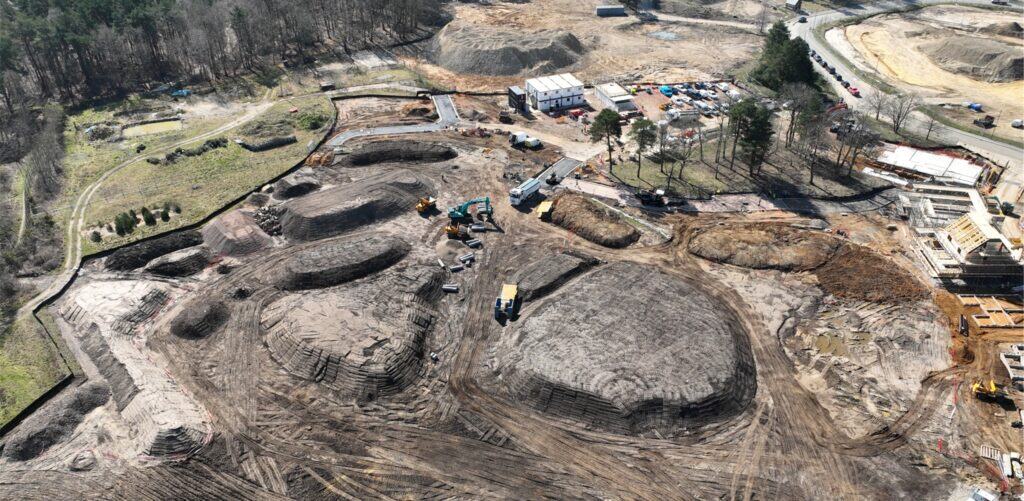
- Excavating and processing of fly-tipped mounds to segregate ACM’s and other wastes;
- Excavation and hand picking of soils containing rare to frequent asbestos to allow disposal of soils as non-hazardous under appropriate controls and monitoring, as both Licensable and Notifiable Non-Licensable Works (NNLW) fully in accordance with CAR2012; and,
- Comprehensive dust monitoring and controls to minimise risks to site workers and off site receptors.
All works were completed to the satisfaction of the local Authority Contaminated Land Officer, whilst mitigating significant cost / programme over-run for Persimmon Homes. Out of a total 9,000 tonnes of soils and hardcore, only 100 tonnes (2%) untreatable material had to be removed off-site as hazardous waste, plus 16 tonnes hand-picked ACM’s. This sustainable solution provided cost savings of >£2.1M on hazardous waste removal and aggregate import.