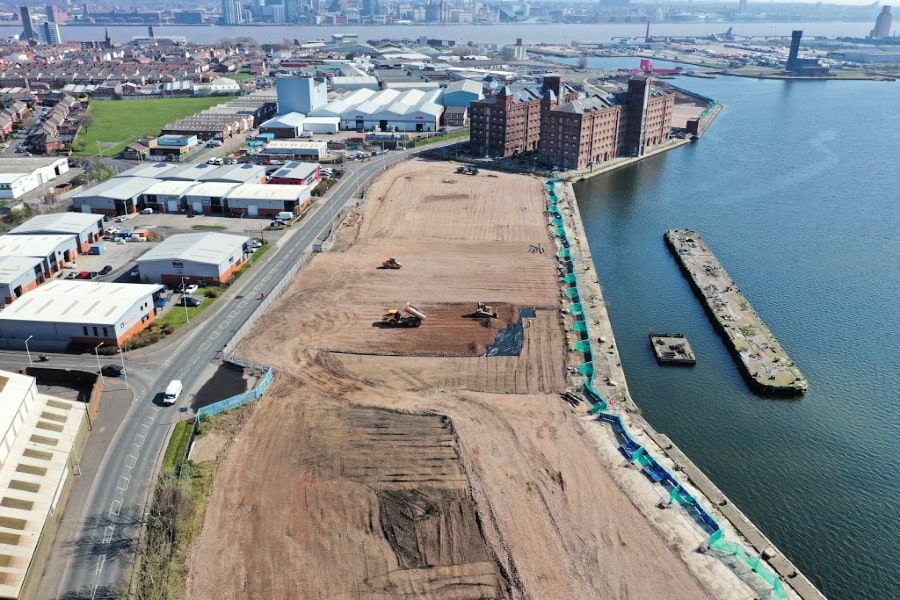
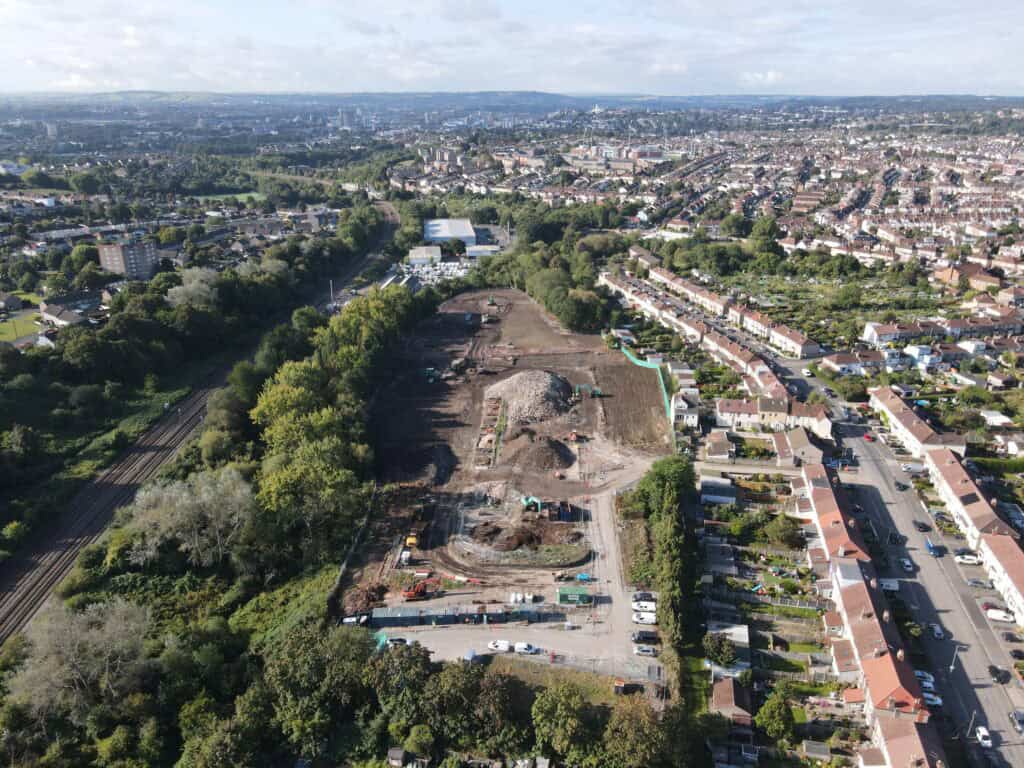
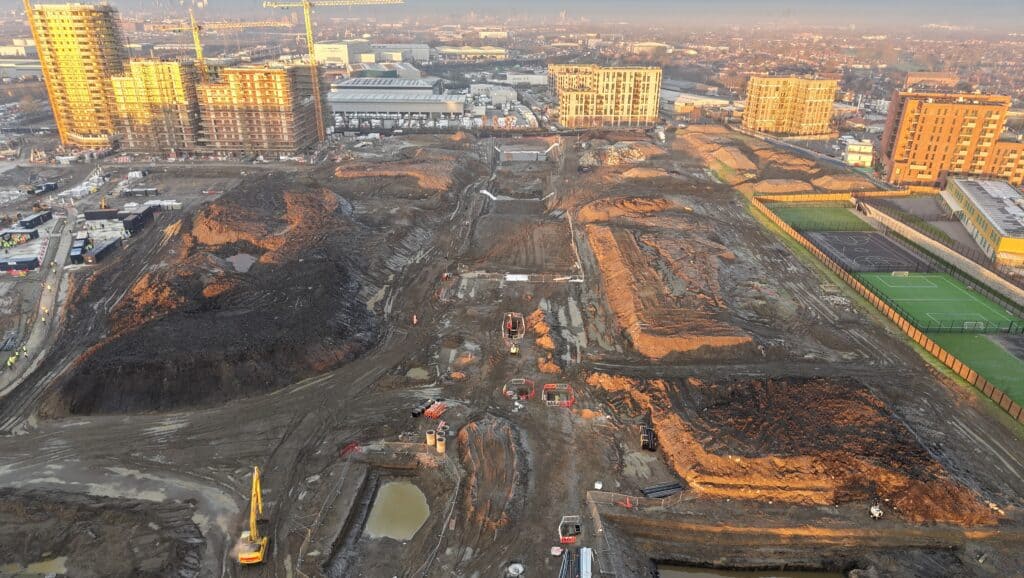
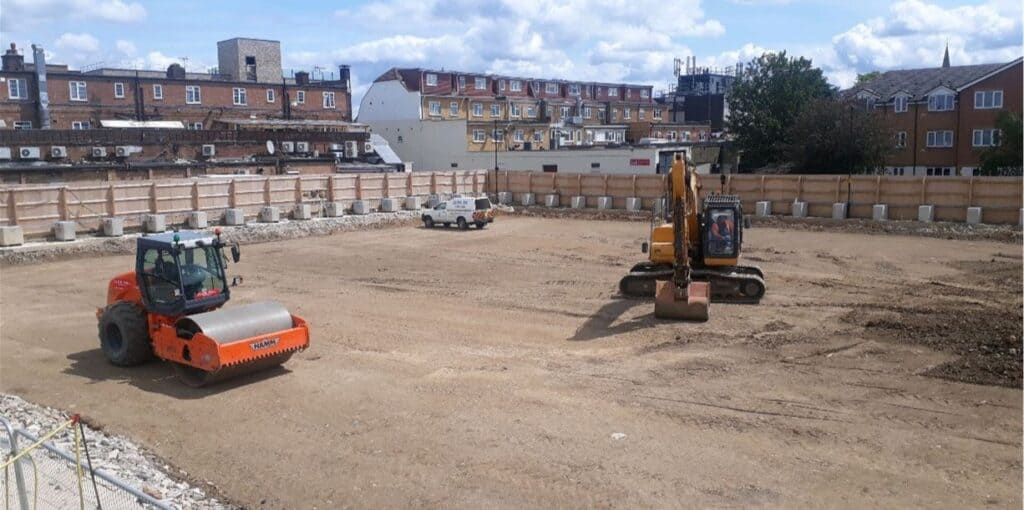
George Evans, Director from #Soilfix reflects on Steve Edgar’s thoughtful 2025 #LinkedIN piece on how the remediation and brownfield sector could help deliver the Government’s ambitious housing and growth objectives.
Read Steve’s article here
So what have we seen over the last 12 months since Steve’s article?
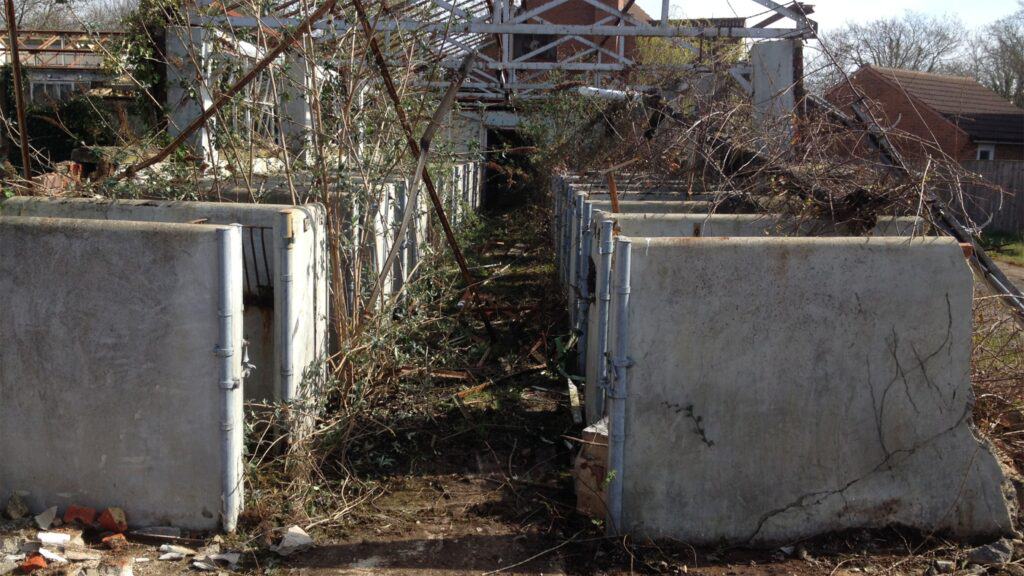
There are signs of intent. The consultation on the National Planning Policy Framework included some genuinely positive signals around brownfield development, including greater focus on previously overlooked land such as railway corridors and wider transport estates. That direction of travel is welcome, even if – so fa – we’ve yet to see it translate meaningfully into quicker site progression on the ground.
There’s also been no shortage of public focus on environmental regulation. Programmes such as Dirty Business have understandably shone a light on regulatory priorities and capacity within the Environment Agency. From where we sit at Soilfix, that spotlight has only reinforced a long‑held view across the sector: while regulation is essential, the current system still struggles to support the sensible and safe re-use of brownfield land at the pace needed to unlock housing delivery.
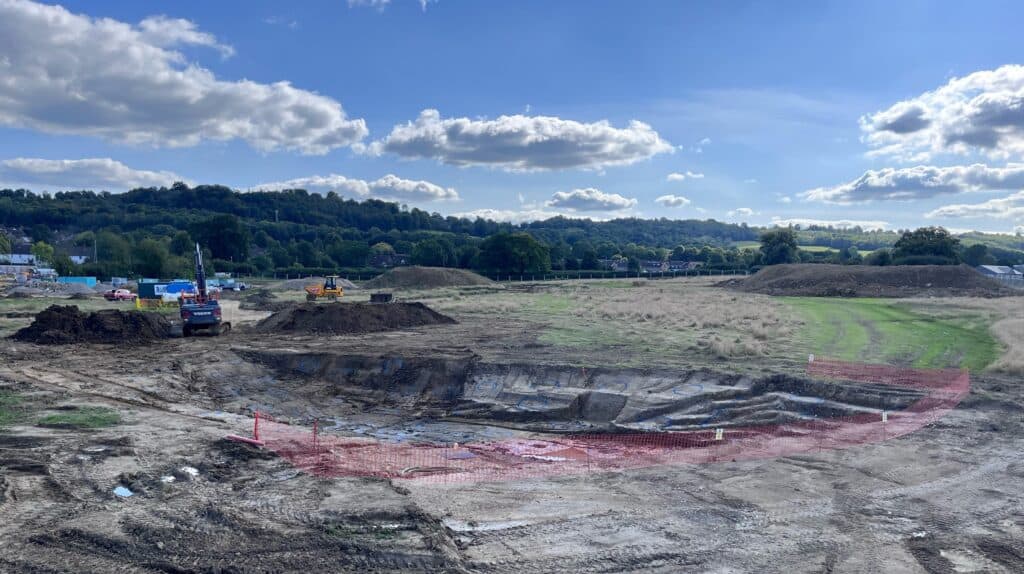
The blockers Steve identified a year ago haven’t gone away. Delays linked to the reuse of made ground, stockpiled materials, historic fill and landfill-derived materials remain stubborn, and the time taken to navigate permitting and planning conditions continues to hold sites back long after consent is granted. There have been encouraging murmurings around potential flexibility within DoWCoP and material reuse – but, as ever, the industry is still waiting for clarity to turn intent into action.
All of this is happening against a tough economic backdrop. Rising fuel costs, material inflation and fragile project viability make it harder for developers to push marginal sites forward – precisely the sites that brownfield specialists are best placed to unlock.
Despite this, I remain cautiously optimistic.
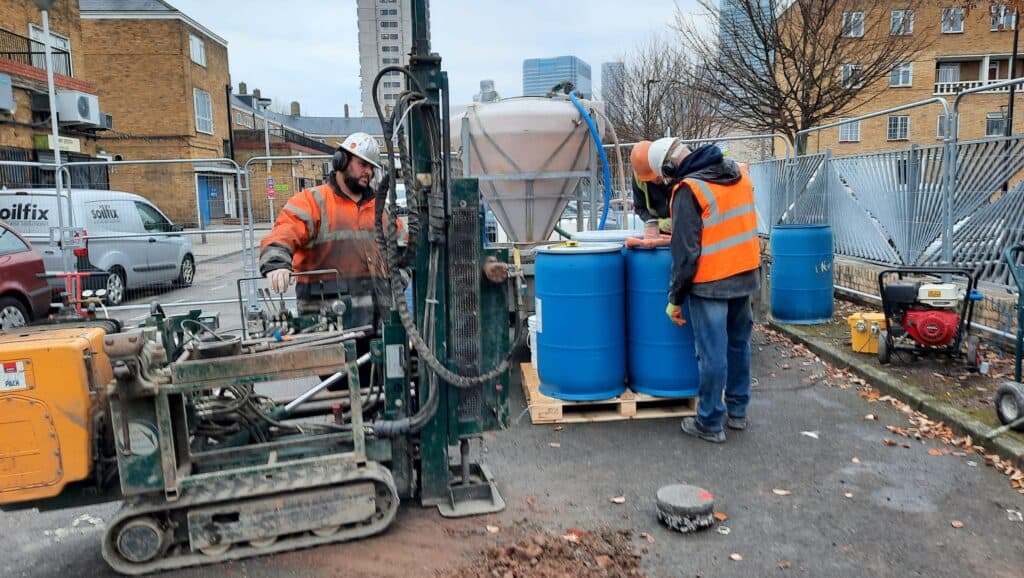
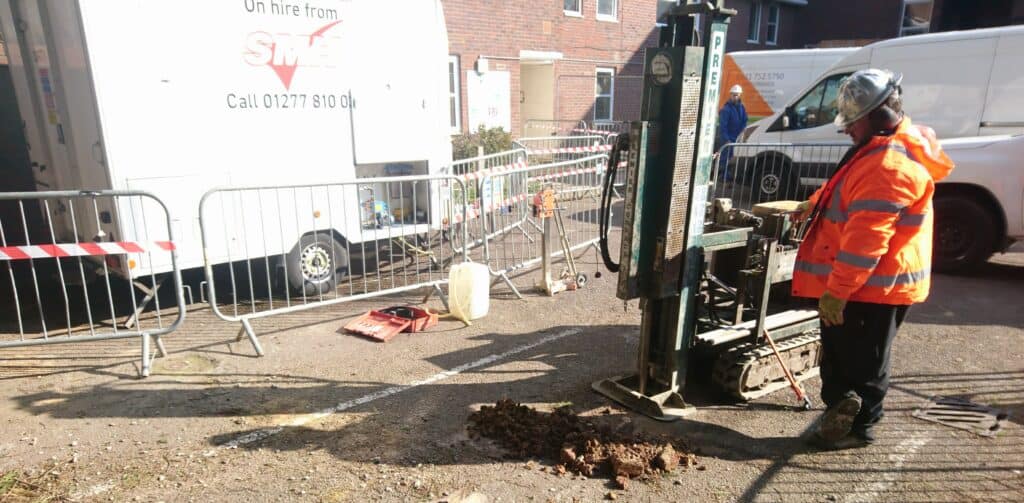
The direction of policy feels right, even if delivery is lagging. The technical capability within the UK remediation sector is strong, mature and well regulated. The opportunity is still very much there to align planning, permitting and regulation so that brownfield land becomes part of the solution – not part of the delay.
If we can shift towards a system that trusts competent professionals to get on with remediation, backed by robust verification and enforcement where it matters, we can unlock sites faster, improve environmental outcomes and materially support housing delivery.
One year on, the case Steve made still stands.
The next step is turning good intentions into practical change – because if we’re serious about growth, homes and environmental improvement, brownfield land must move from being seen as a problem to being recognised as an opportunity…. remember the 1.5million new homes promised by our current UK Government in its 5year electoral cycle!
I’d welcome others’ views – particularly from planners, regulators and fellow practitioners – on what has changed, what hasn’t, and what should come next.