What inspired you to start Soilfix, and what were the initial challenges you faced during the founding years?
I’d worked in the contaminated land sector for over 10 years and always loved the people and their enthusiasm for solving complex problems in the subsurface. They were my inspiration and the belief that I could create a workplace that would be innovative, creative and fun.
The initial challenge that stands out the most for me was the business insurances. I had no idea of the cost of these for our sector and how critical they were for gaining access to interesting projects. It almost made the business non-viable from the start – and now we have grown (as our insurance coverage grown with them) so have the Premiums!
How has the strategy or focus of Soilfix evolved over the past two decades?
When we started the business, we were in the midst of a Brownfield Development boom driven by targets requiring 60% of all new development to be brownfield. That really helped us get lift off in the first 4 years. Then the rug got firmly pulled from under our feet after the 2008 financial crisis when development sector opportunities dried up overnight. We switched our focus to more infrastructure and due diligence / permit surrender-led work.
From 2012, the development work really picked up again allowing us to continue on our growth journey. Our mix of projects is now a much healthier >60% brownfield development, >35% due diligence/permitting and <5% up front design/feasibility. This provides our staff with an interesting diverse range of projects (and clients) and keeps us more resilient to market changes/swings.
What key milestones or achievements are you most proud of, and why?
Our first project with a value of over £1M sticks in my mind as a particularly proud moment. This was back in 2007 just before the bottom fell out of the property market (I believe it was 2012 before our next similar sized project came along). I’m proud that we survived through this tough trading period and came out much stronger as business. It’s tough being a young company during a recession……people are less inclined to take you on due to perceived risk. I’m very grateful to all the people that maintained their faith in our brand through this period (you know who you are!).
The 10 year and 20-year trading milestones also fill me with huge pride. It shows you can weather storms, innovate and inspire belief in people while you continue to grow as a business. Happy days!
How have you built and maintained your team culture, especially as the company has grown to 42 staff?
Culture has become increasingly important to me as the business has grown (I sincerely believe ‘Culture eats Strategy for breakfast’!). Today it is a key part of my role. If people enjoy coming to work and trust each other to work closely as a team, its amazing what challenges you can overcome.
What lessons have you learned about the soil and groundwater remediation industry that might benefit other entrepreneurs?
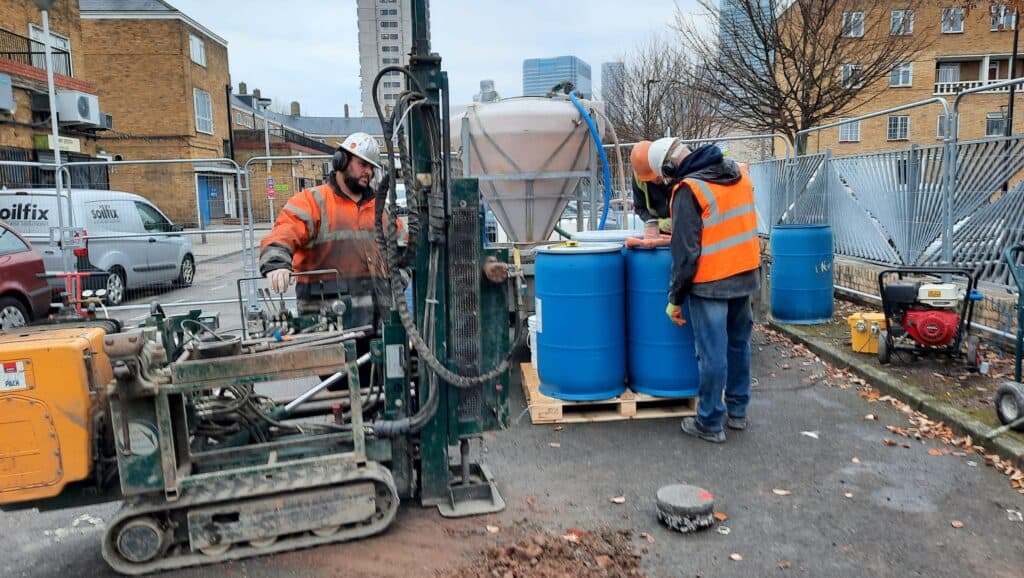
Understanding complex problems (and risk) in the subsurface needs a diverse range of people and their backgrounds / skillsets. We have a great team of site operatives, scientists and engineers but its also key to have people that are sharp on purchasing, contracts, commercials and finance. If you ensure these folk are all working together with high level of trust its incredible what you can achieve. Everyone in the team is key for successful delivery. From the tools on the ground through to the office staff.
How do you foresee the future of soil and groundwater remediation, and what trends do you think will impact the industry?
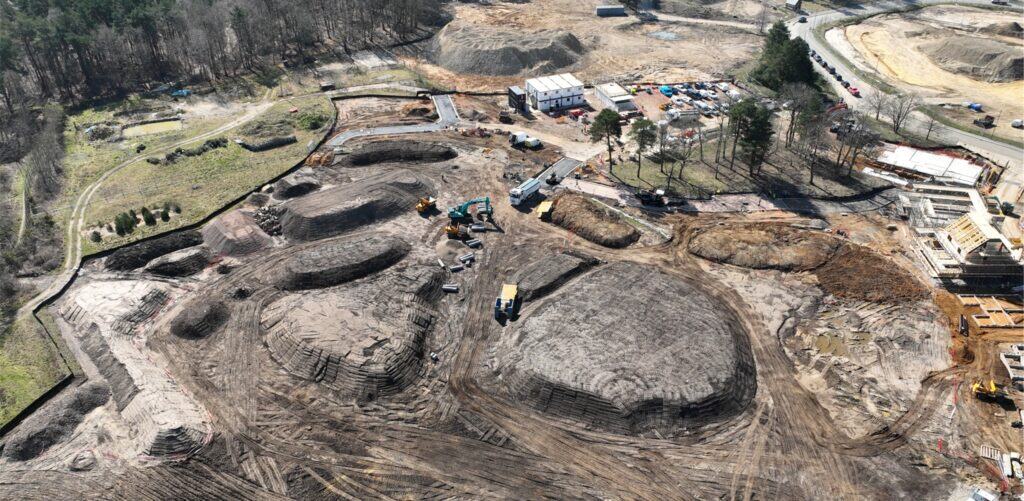
A significant driver is the need in the UK for more housing. The Government’s target for 1.5million new homes in the next 5 years is ambitious and will need to rely on Brownfield as well as Greenfield development projects. Opening up the “grey belt” is also likely to include brownfield development projects that have been previously overlooked. We’ve had a few of these already across our desks.
PFAS contamination is another potential new and growing market space. It’s still in its infancy with associated uncertainty on distribution, clean up targets and optimal remedial methods…..but definitely worth keeping an eye on. We have been providing Early Contractor Involvement for a number of PFAS opportunities over the past 2-3 years and now started to progress them into live projects with PFAS impacted soil and groundwater to actually deal with!
We’re increasingly seeing (and delivering) more environmental restoration and biodiversity enhancement projects. These are usually associated with other remediation activities (so we have developed the experience and skills required on such sites), but we are also seeing stand-alone projects such as stormwater lagoons with contaminated sediments.
Name one good thing and one ‘not so good’ thing that you have seen having an impact on our industry over the past 20years?
The CL:AIRE Definition of waste development industry code of practice (DoWCoP) was a fantastic step change in how we were able to sustainably re-use soils on site without them being treated as waste. We take pride in our high percentages of materials re-use where projects permit this.
A “not so good” thing has been the loss of resources (including experience and skills) within our regulators. Contaminated land problems are often complex with no black and white answers. Collaboration of all key stakeholders is required to develop solutions that work best for everyone and the environment. The regulators are a key part of this equation.
What advice would you give to a new entrepreneur looking to start a business in a similar field?
Don’t be afraid to push into the unknown and have a go. It’s a constant evolution but always exciting and highly rewarding to be making a positive contribution to society and the environment at the same time