For major regeneration and infrastructure schemes, ground risk can have a big impact on foundation design, project sequencing, cost, and ultimately, sign-off. But if you understand the risks early in the process, they become something you can plan and optimise the scheme for, rather than react to.
On major brownfield schemes, the ground is always going to throw up some issues. The only real question is whether you identify these at the start of the process (when there’s still time to be proactive about finding solutions), or halfway through, when it arrives as a nasty surprise and starts impacting the design, programme and the budget all at once.
What changes the game is getting a specialist remediation contractor involved as early as possible to go through the information that already exists, work out what’s missing or being assumed, and help the wider team land on an approach that will stand up to scrutiny. Essentially, it comes down to three questions. What’s happening below ground? What does that mean for the project? And what can realistically be done about it?
Ground risk surfaces in many ways
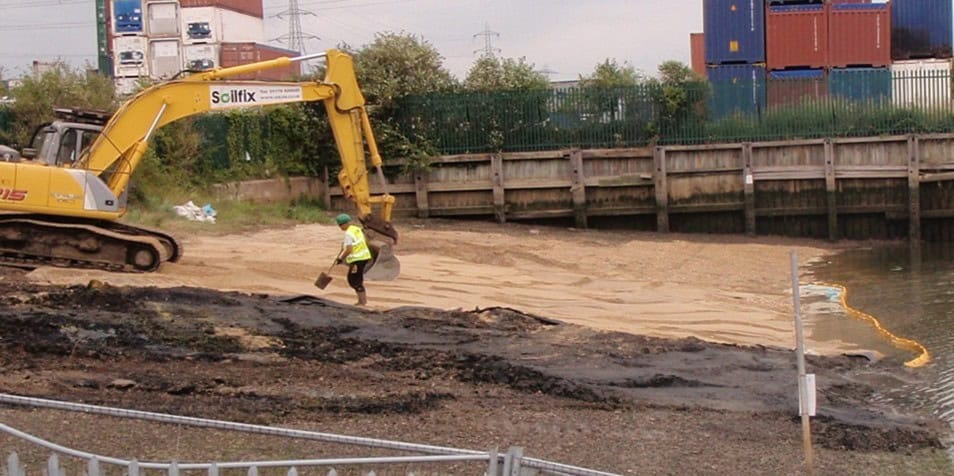
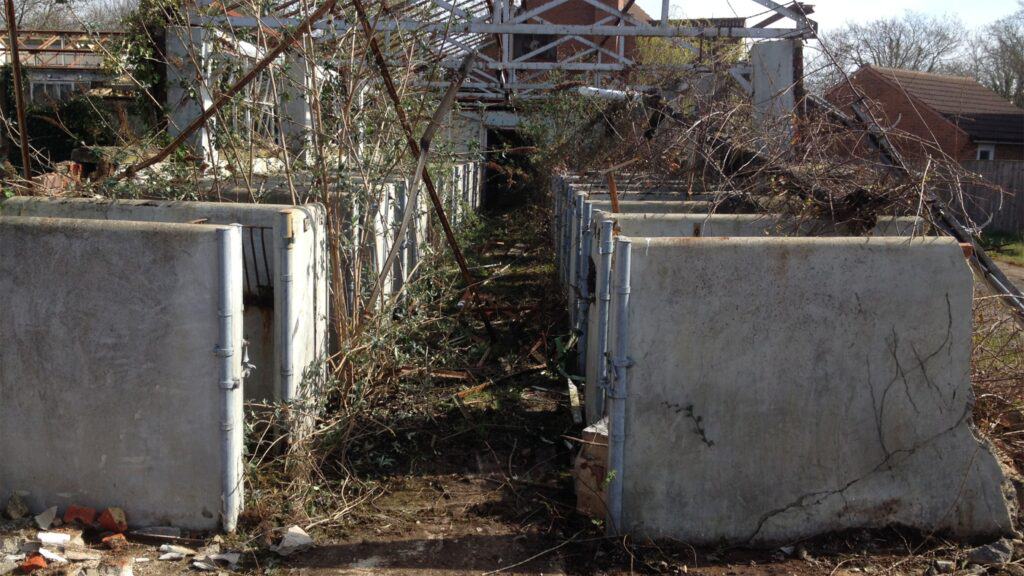
Geotechnically and geochemically poor material isn’t just about remediation. It affects foundation design, drainage and roads, and everything built on top of it. And the remediation work itself can significantly move the goalposts – if you design your foundations around the ground conditions you find before the work starts, those values can be worthless once remediation has disturbed the ground.
But done properly, remediation can leave the ground with greater and more consistent strength than it started. Stabilise poor material with cement for example, and you can improve strength considerably, which is why ground conditions should be an engineering input from the outset, not a tick-box exercise before the real design work begins.
What an engineering-led approach really means
For us (particularly on larger, complex schemes), an engineering-led approach means running the remediation strategy alongside the earthworks strategy, so that when we’re finished, you’re left with a site that’s fully tested, fit-for-purpose and ready to build on.
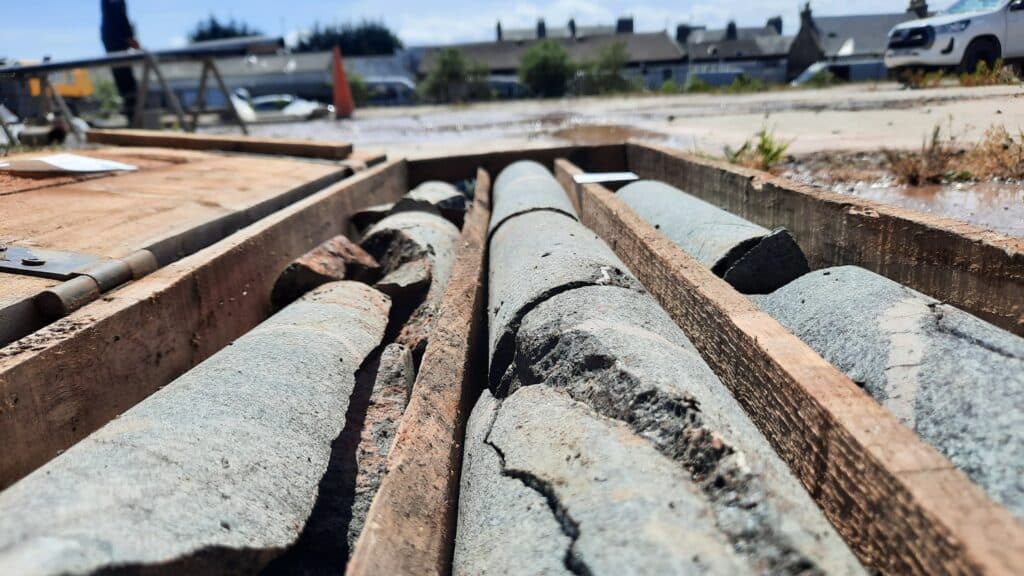
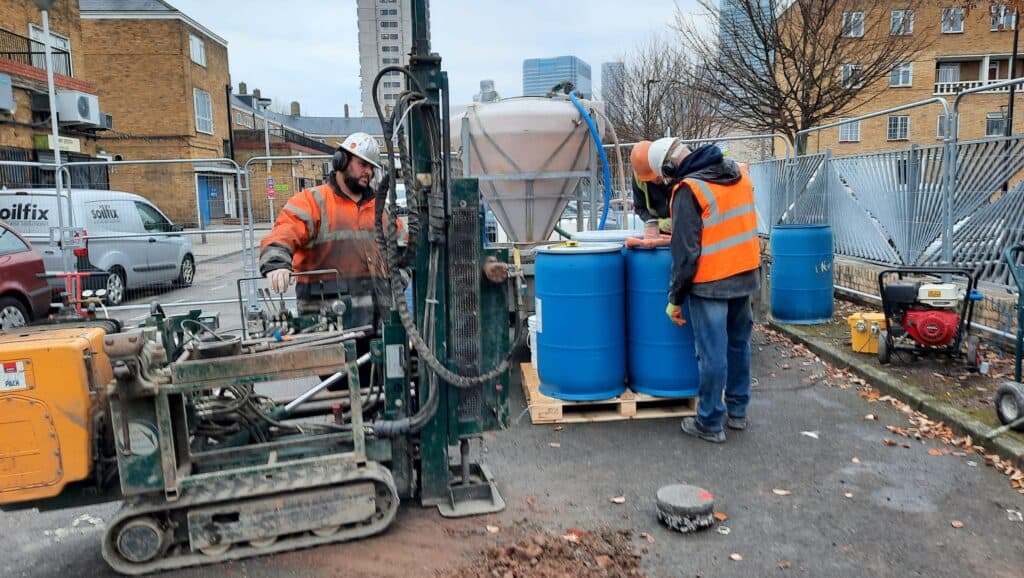
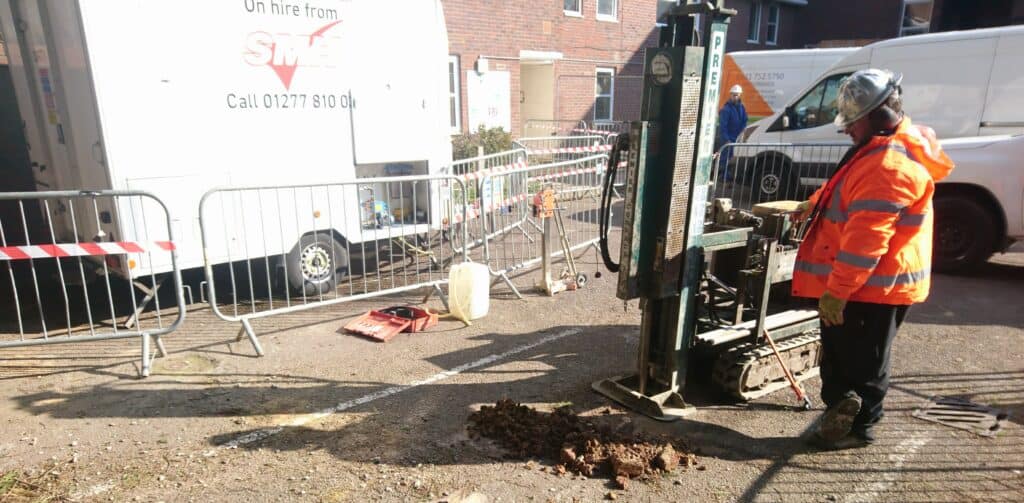
That relies on the technical judgement of our geologists and engineers who explore the ground conditions and identify likely impact on construction sequencing. There’s no value in finishing a job without strength and settlement properly considered, alongside the test data to prove compliance.
It’s why the Inspection and Test Plan is so important. Most of the work we do is covered over – once the next layer is on, foundations are laid or the road is built for example, you can’t go back and check it. The ITP sets out exactly what will be tested, the acceptance criteria it has to hit, who signs it off and what record is kept. It means work is inspected while it’s still exposed and doesn’t move past a given stage until the test result is in and signed off, leaving a clear, traceable record that the main contractor can rely on.
It also means we’re not marking our own homework. Verification either sits with the main contractor’s own consultant, or with an independent party we bring in. Anything covered by a 3rd party warranty, or a road being adopted by the council, will be reviewed in significant detail, geotechnical and environmental alike.
That scrutiny is always welcome. It’s how everyone knows the solution that was designed and approved is the one that got delivered.
The case for early consultation
The ideal time to engage a ground risk specialist is at concept design stage before the construction programme is fixed – early enough to see the opportunities as well as the risks. For example, we can help identify obstructions that can be dug out and processed into material for the road build-up or backfill around drainage. Or we can provide advice that helps shape sequencing or even the layout itself.
The earlier it happens, the more opportunity there is to act on our specialist knowledge. And if the programme or sequencing genuinely can’t move, at least everyone knows the programme is going to be longer before they’ve signed up to a date they can’t hit.
Turning problem soil into engineered fill
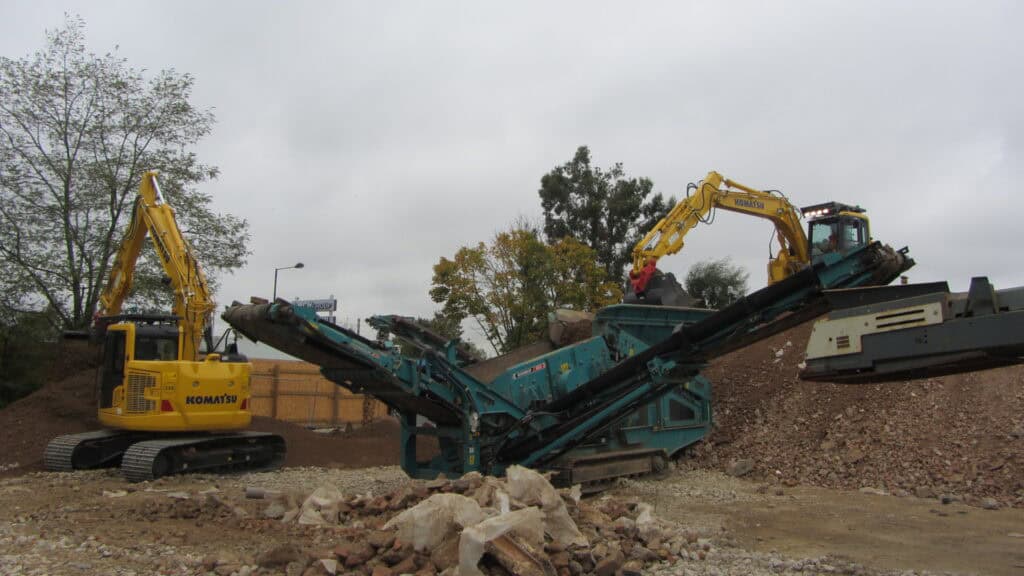
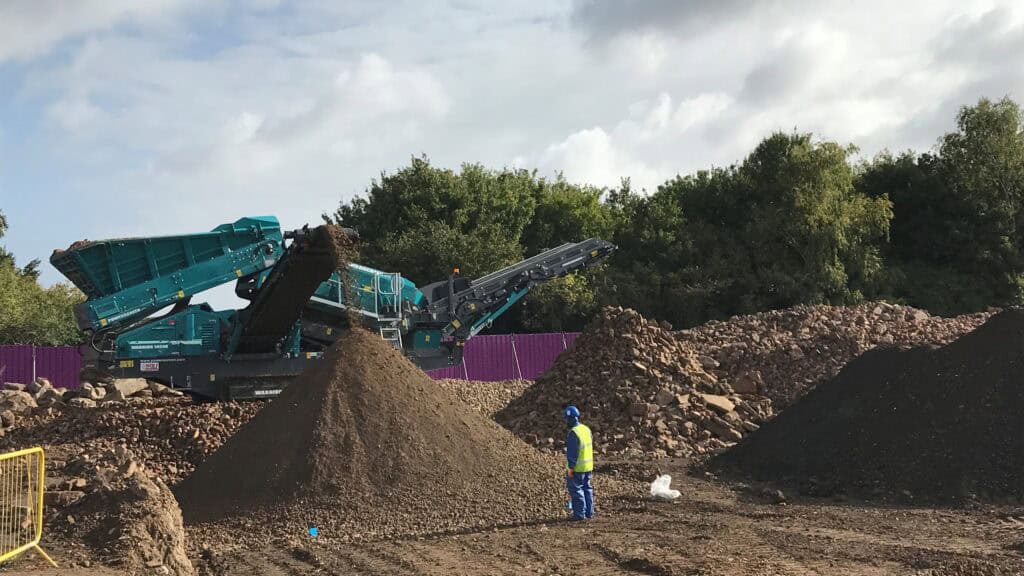
One of the biggest wins from our early involvement is finding ways to keep material on site. Plenty of soil that gets written off as unsuitable (Class U in the specification), can be treated or processed into perfectly good, sustainable site won engineered fill.
That’s why we’ll often price the compliant scope against the outline design, then put an alternative alongside it that might do the job better on cost, programme and carbon. Less muckaway leaving site, less clean fill imported to replace it, and more of the ground doing a useful job rather than essentially being paid to disappear.
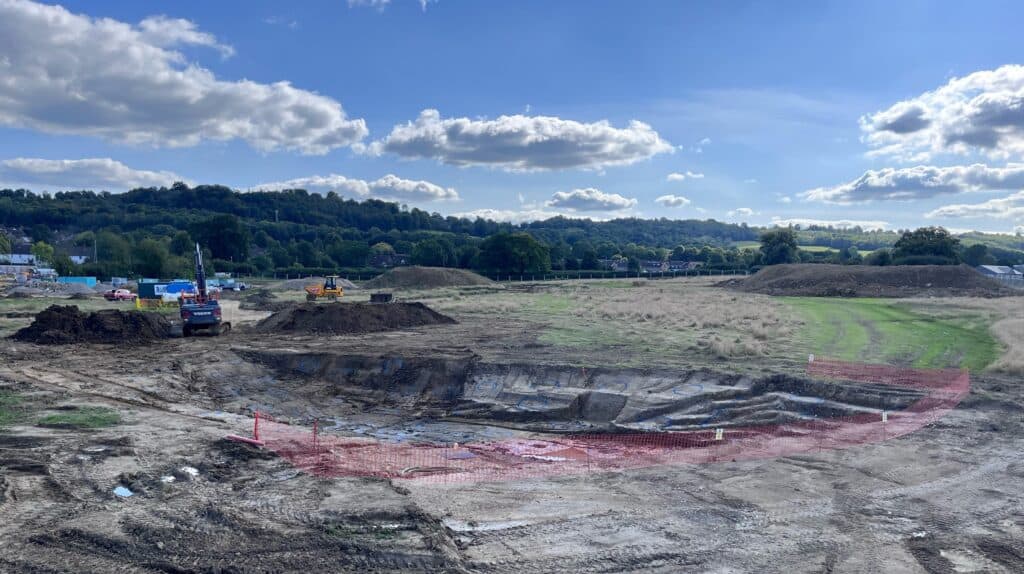
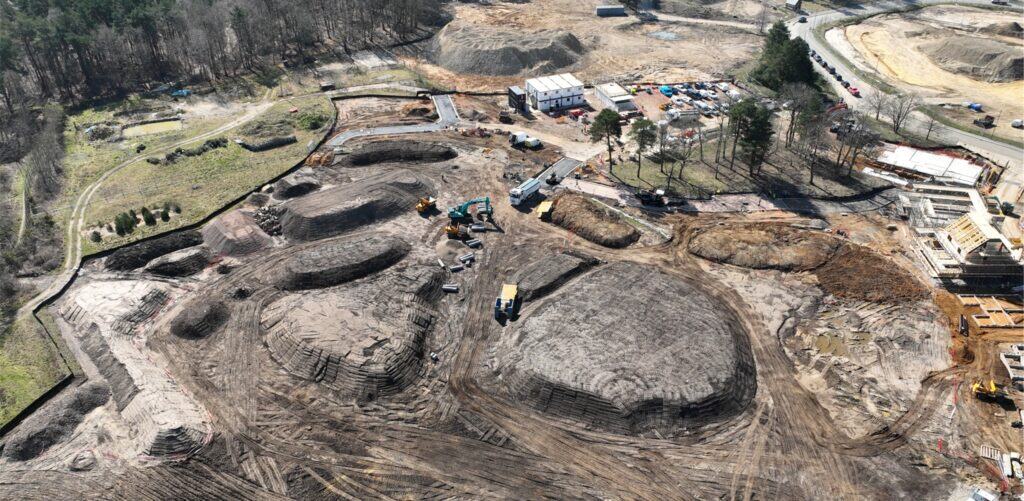
This is essentially what we were able to do at Burgess Hill in West Sussex, where we carried out remediation of a former landfill site in preparation for the construction of a spine road and new 3,600-home housing development.
The straightforward route would have been to dig the landfill out, cart it off site and import fresh engineered fill. Instead we processed and conditioned the landfill soils on site, so they met the geotechnical and environmental standards the road needed, and reinstated them as an engineered platform. It took real ground engineering knowledge to see this was achievable, and it meant more than 99% of the soil was reused on site rather than sent to landfill.
It helps that we’re not tied to any particular product or process. There’s no proprietary technology we need to push, so the recommendation is simply whatever’s right for the site.
We deliver confidence
Over the years, we’ve found that ultimately, what most main contractors want is confidence. They simply want to know that the remediation work will be delivered compliantly, on schedule and on budget.
And we deliver that reliability. Not just through our specialist knowledge and engineering excellence, but also through our culture. With a large, directly employed workforce, we can keep multiple major sites going at once without leaning on agency labour.
As an employee-owned business, most of our site teams have been with us five years or more (some fifteen), and they know our systems inside out. And a settled workforce also means that the team that tenders in January is the same team that delivers later that year.
It’s worth saying, because it isn’t always understood, that we’re a substantial and broad contractor. Not just technical remediation, but enabling works and site preparation too, with more than 550 projects delivered across 22 years of trading and named Brownfield Contractor of the Year in 2025. If a specialist has ever let you down part-way through a scheme, we’re a credible alternative with the scale and record to back it up.
Certainty from the word go
There will always be issues under the ground on major brownfield sites. But with an early conversation with the right specialist partner, they can be identified, understood, engineered and kept under control. The earlier the process starts, the more certainty there will be for the programme downstream.
If you have a complex regeneration or infrastructure scheme on the horizon, it’s worth talking to a specialist early. Call Soilfix on 01179 820025.
Soilfix has delivered more than 550 remediation and enabling works projects on complex brownfield sites and is now in its 22nd year of trading. Named Brownfield Contractor of the Year 2025 and a member of CL:AIRE, Soilfix builds its options appraisals on the Environment Agency’s Land Contamination Risk Management (LCRM) framework and works with a directly employed technical and operational team backed by a full suite of ISO accreditations.