THE CHALLENGE:
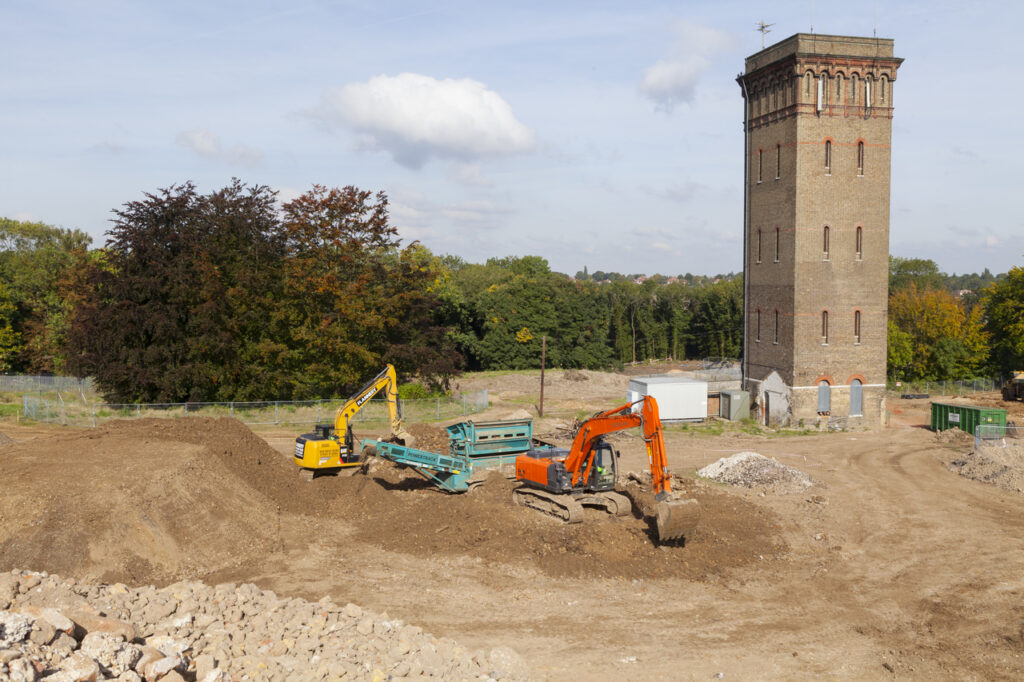
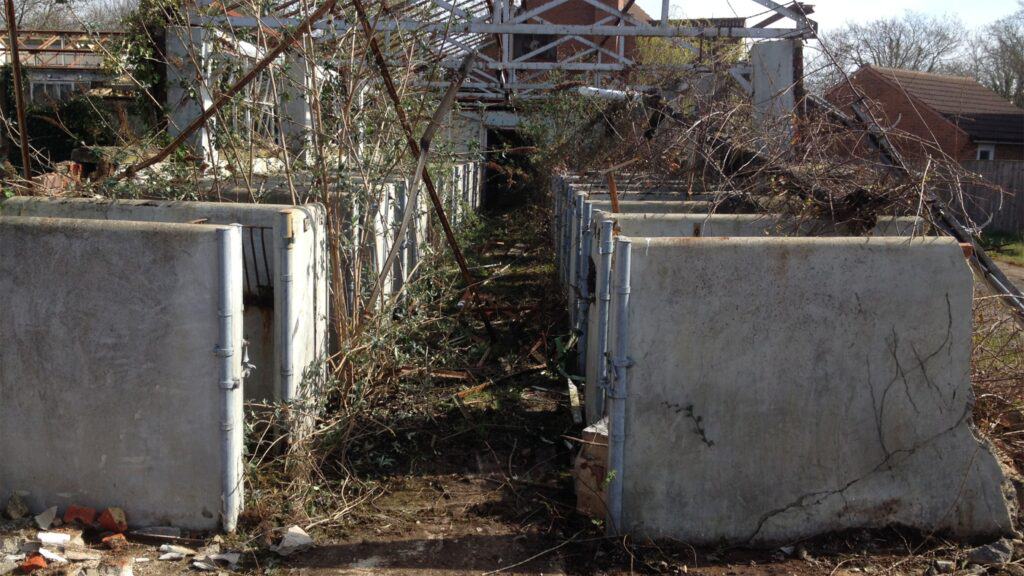
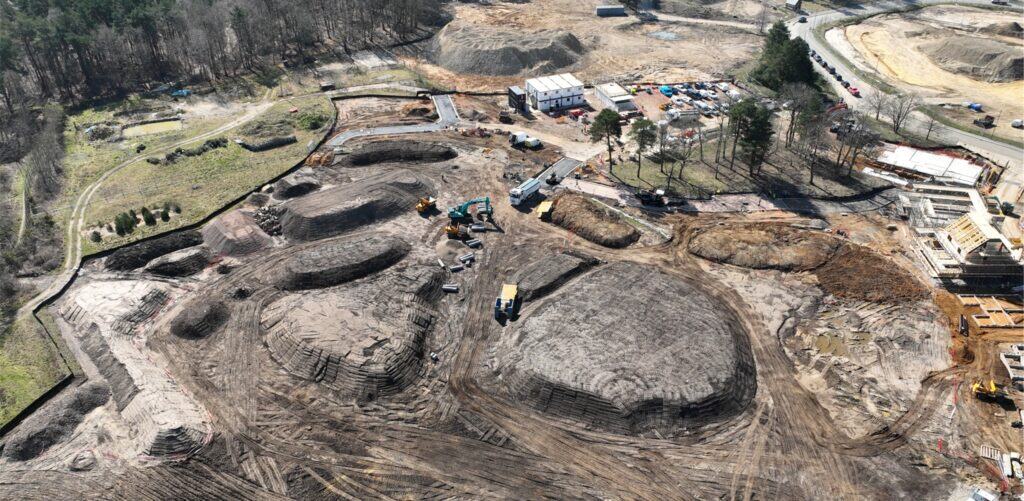
The central 10Ha main hospital portion of this site area presented a variety of contamination & geotechnical issues, including 2nr former hospital landfills containing varying types of asbestos containing materials (ACM’s) and other deleterious materials, site-wide impact by metals, hydrocarbons and trace asbestos within shallow fill, unconsolidated made ground, several areas of Japanese Knotweed (JK) infestation as well as significant remnant in-ground obstructions.
OUR SOLUTION:
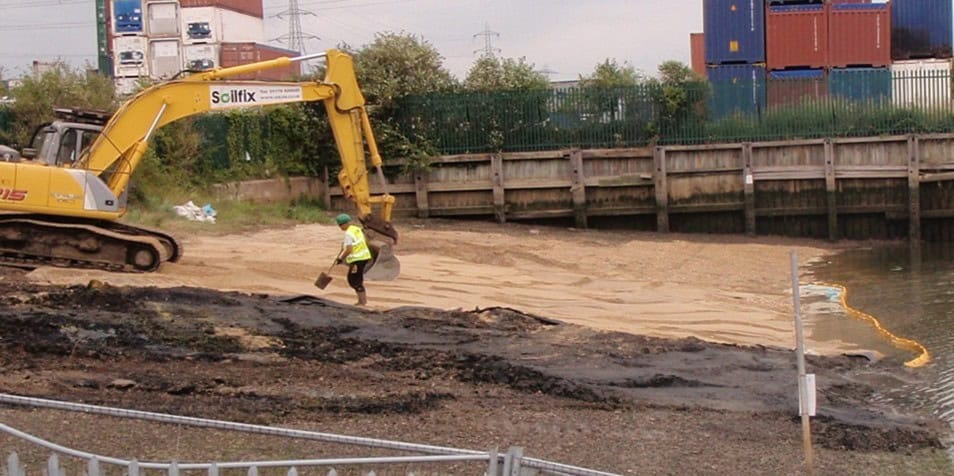
Soilfix designed and implemented a sustainable and cost effective solution in conjunction with RSK Environment, all in accordance with a Materials Management Plan (MMP) developed in accordance with CL:AIRE Code of Practice (CoP), including:
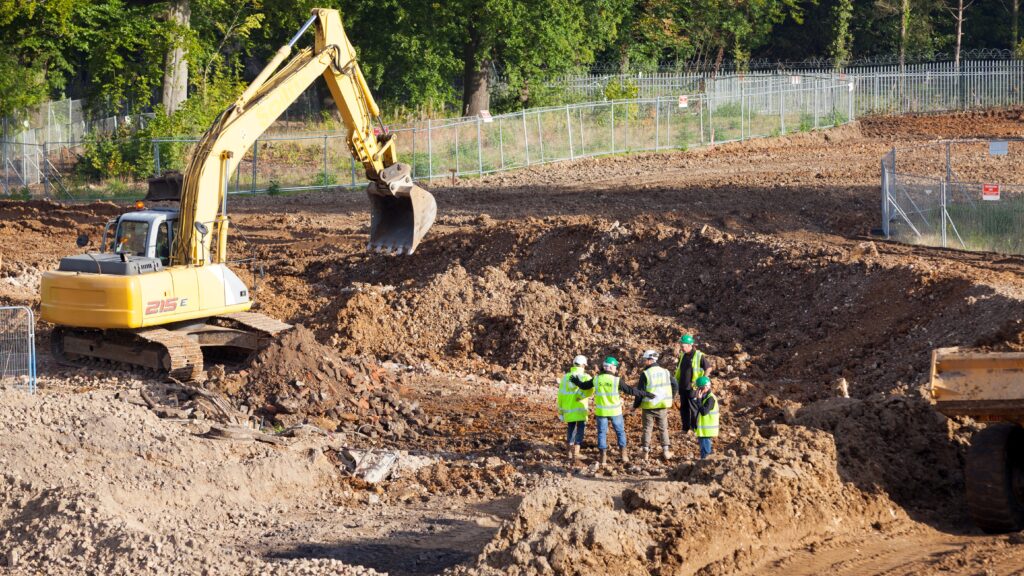
- 13,000m3 of Landfill materials excavated, screened and sorted following primary controlled removal of both Japanese Knotweed rhizomes and notifiable ACM’s;
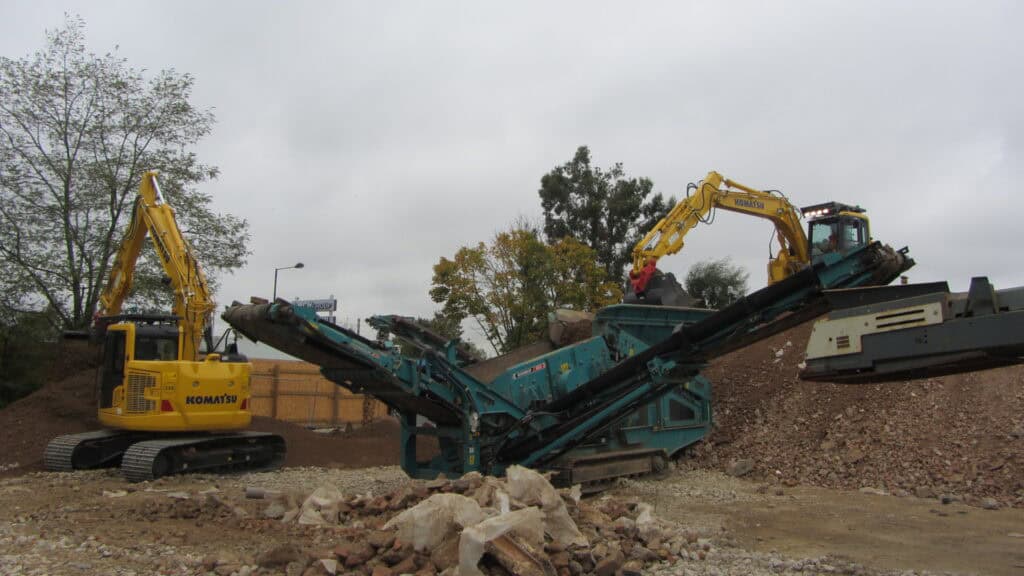
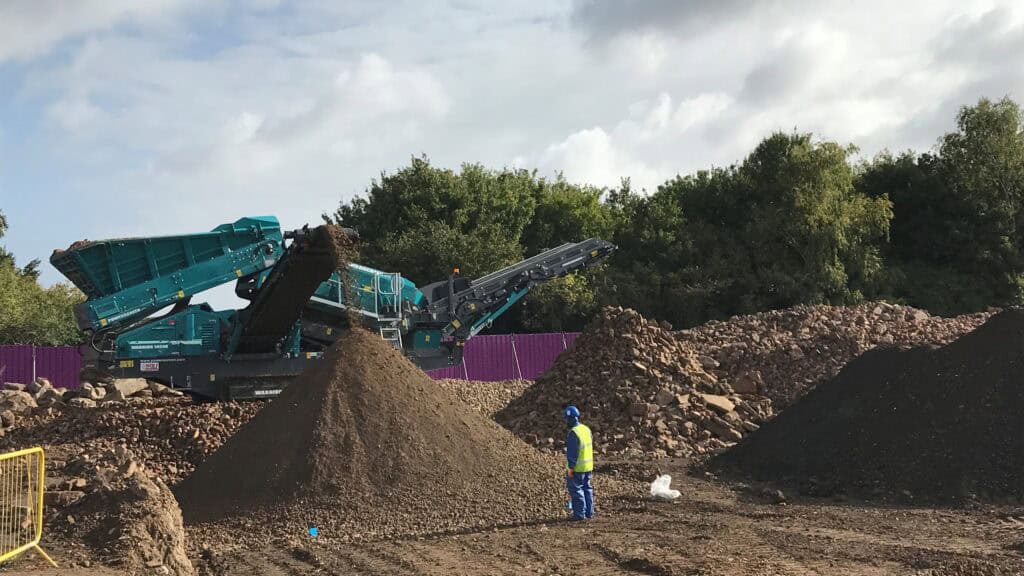
- 37,000m3 general made ground fill excavated, screened / sorted prior to re-use;
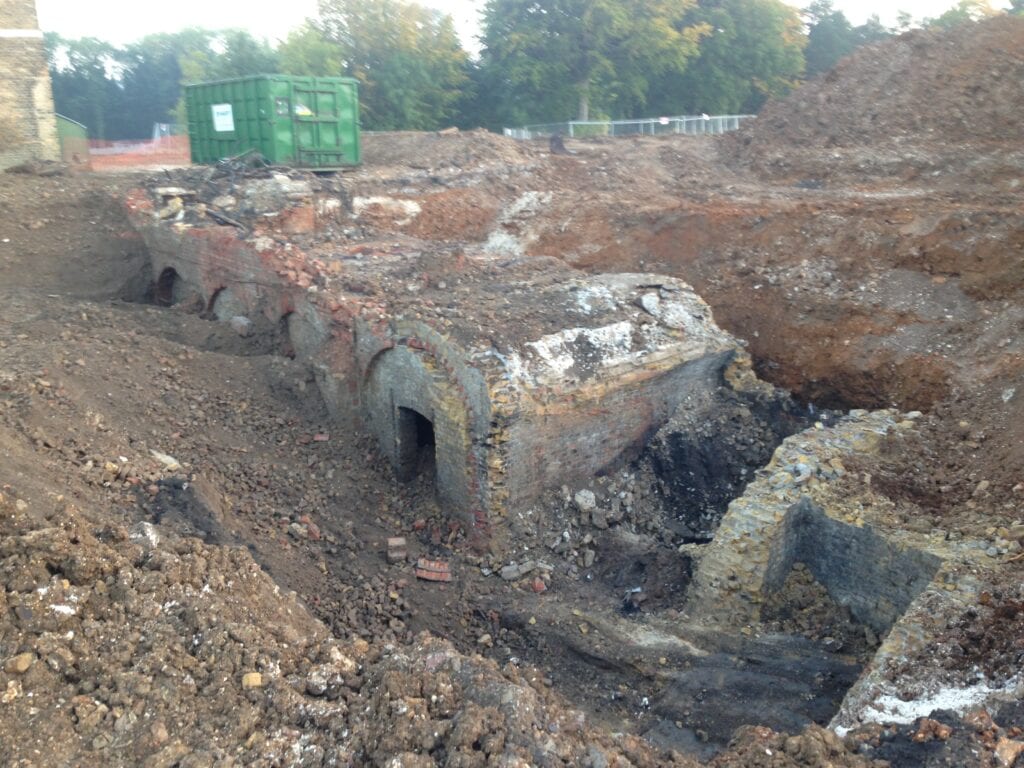
- Decommissioning / decontamination of service tunnels & ductwork (including lagged pipework removal) ;
- Breakout / removal of remnant slabs & sub-structures, processing hardcore to a 6F2 specification for re-use;
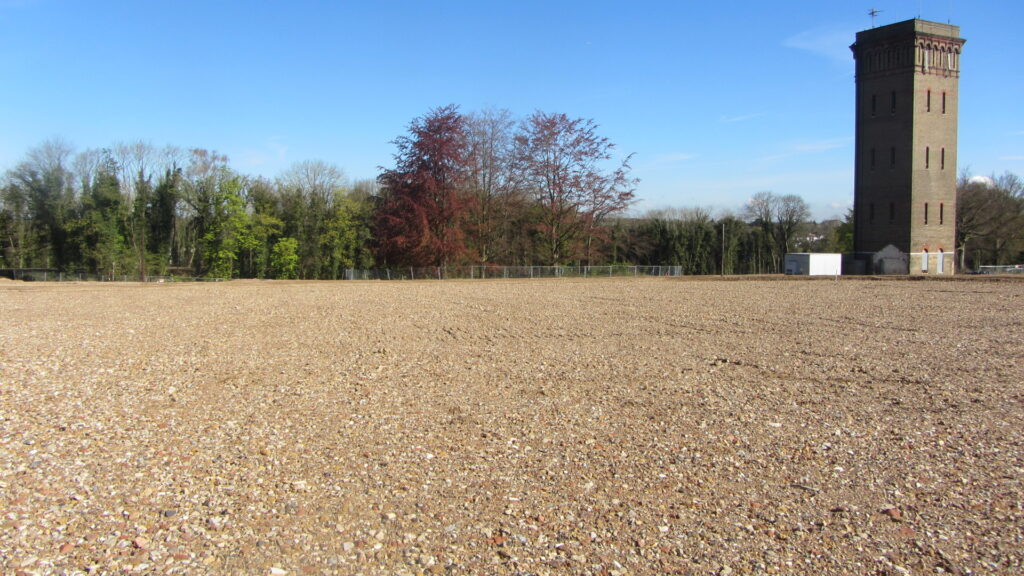
- Ground improvement of made ground soils using High-energy Impact Compaction (HEIC) treatment, re-grading and capping with site-won crushed materials—creating a ‘build ready’ development platform without impediment;
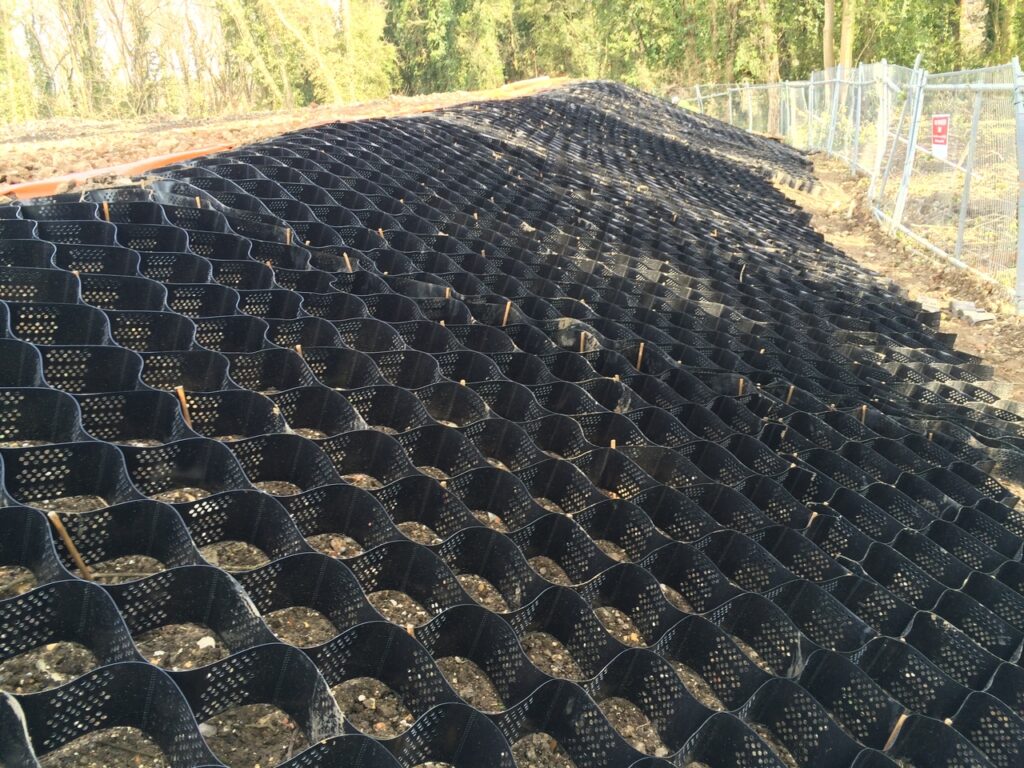
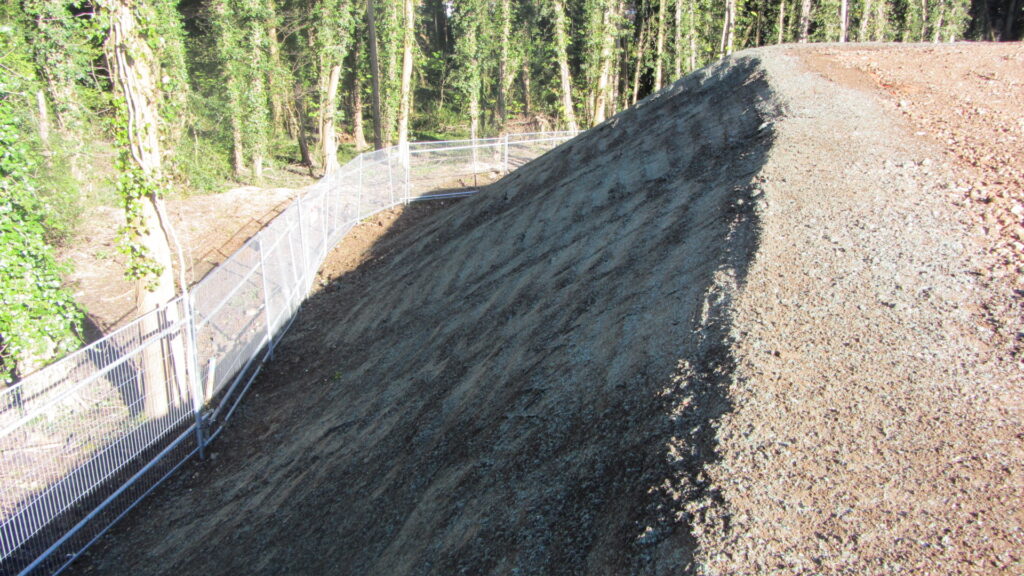
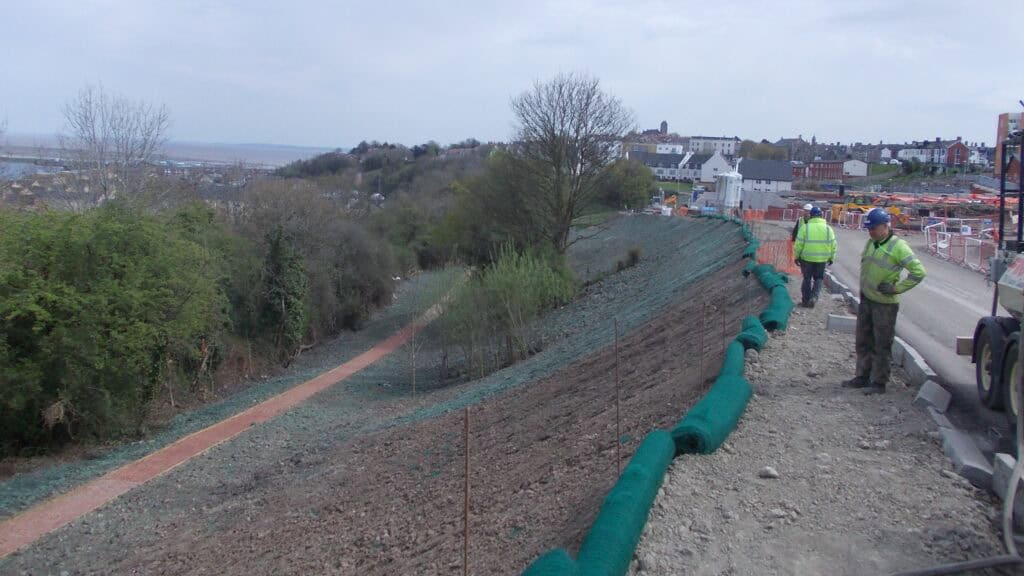
- Construction of Mechanically Stabilised Earth (MSE) embankments to 2nr former landfills using geo-grid / Erosaweb reinforcement of cement stabilised soils;
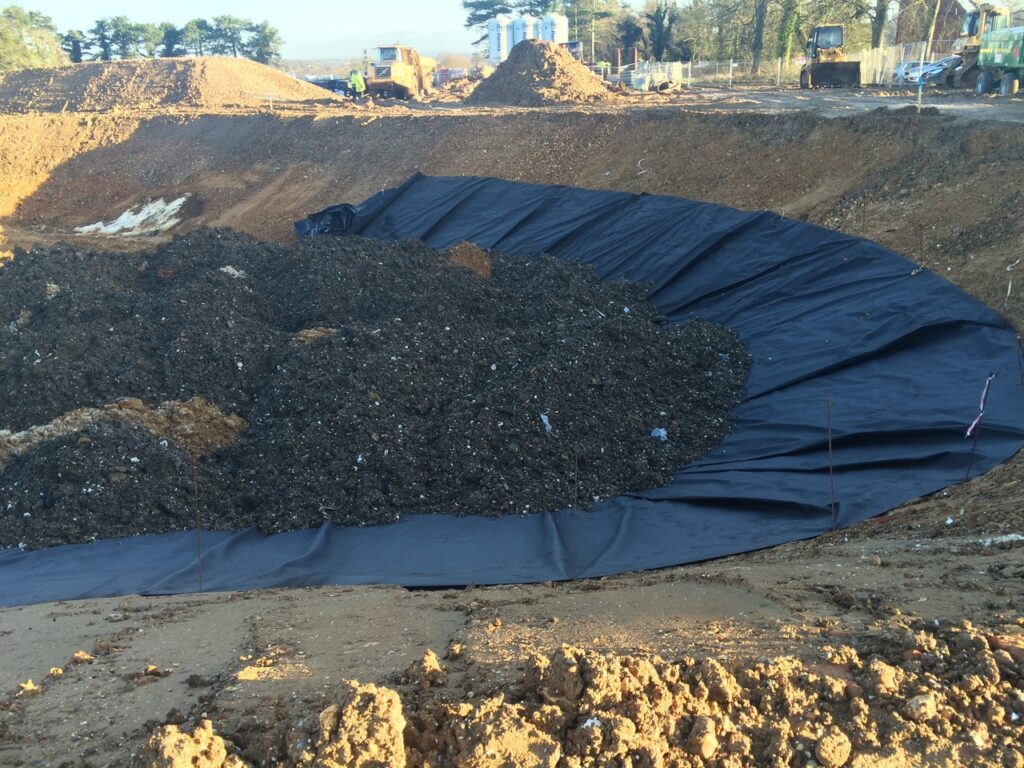
- Remediation of substantial stands of JK infestation. Pre-treated soils encapsulated at depth below open space areas in two separate containment “cells”; and,
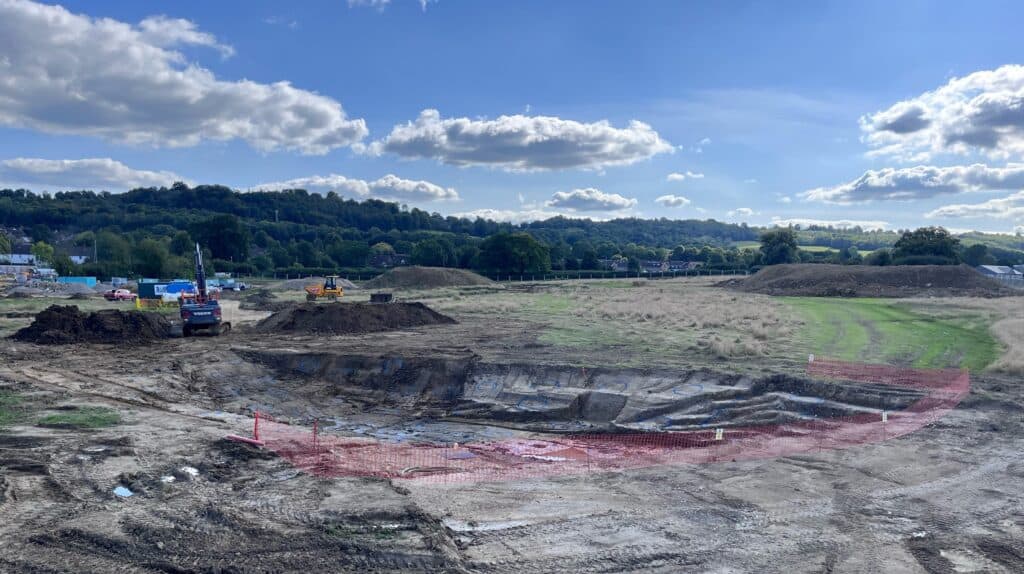
- Facilitated archaeological investigations by Barratt’s archaeologist.
In spite of numerous unforeseen’s encountered during the project, Soilfix completed all works on time and on budget to allow unimpeded progress of construction works. Of 65,000m3 materials subjected to excavation, only 600m3 of unsuitable material required disposal, resulting in >99% materials recovery achieved.