THE CHALLENGE:
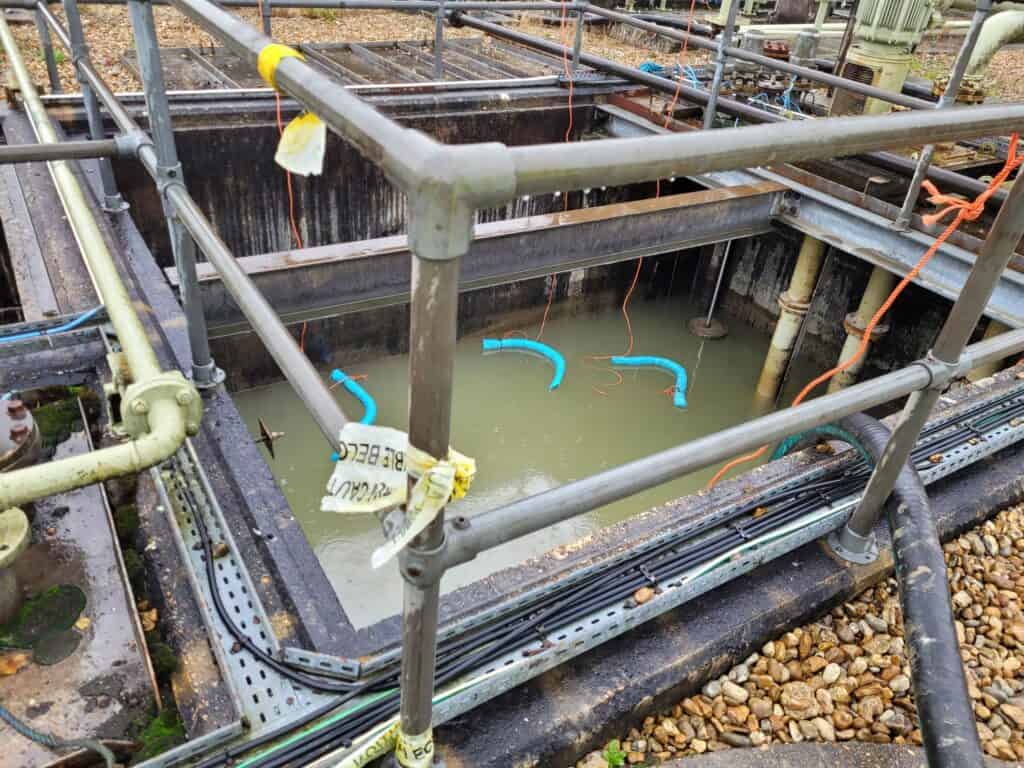
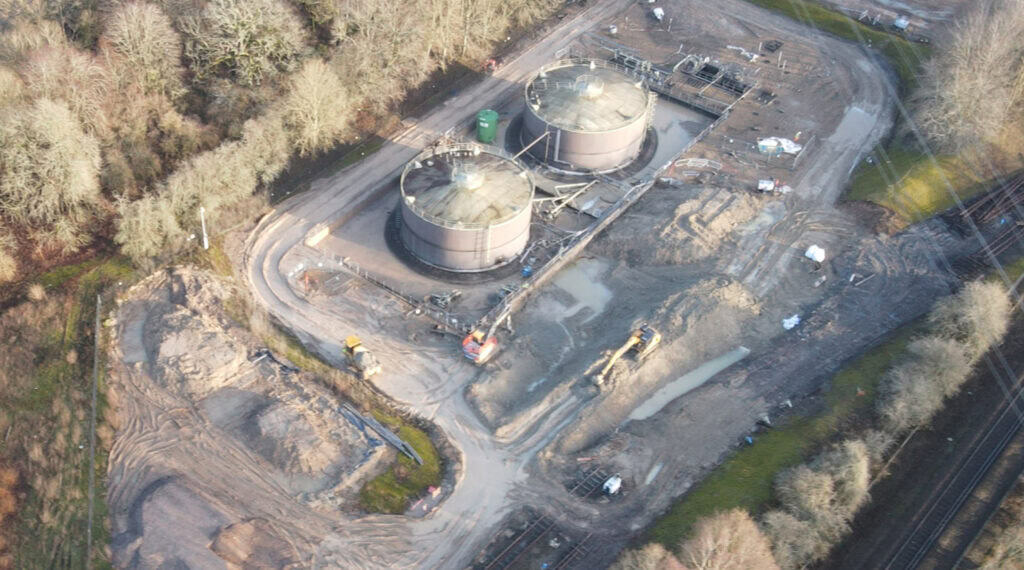
Free-phase hydrocarbon (light crude) impacted soils and groundwater were identified during post-decommissioning site investigations, at the overhead road gantry and rail sidings areas. Remediation to stringent standards was required to satisfy the EA the areas had been restored to ’baseline’ conditions, whilst posing no residual risks to the underlying Principal Aquifer— the main criteria for remediation being to ‘no visual / olfactory evidence of oil’. The challenge was to treat and verify site soils to a standard suitable for re-use, whilst re-using as much material as possible on site as practicable. Due to limited footprint, programme constraints and nature of contamination, following successful bench-scale trials, Chemox-Stabilisation/Solidification (CSS) was adopted (to the satisfaction of the EA) as the optimal soil treatment approach for crude oil impacted materials. An additional challenge was posed during site works, where additional unforeseen sources of contamination were identified. These had to be integrated into the overall remediation programme to enable permit surrender.
OUR SOLUTION:
A voluntary permit-surrender led Remediation Strategy was agreed with the Local Authority and Environment Agency, and Soilfix designed and implemented the following remediation scheme:
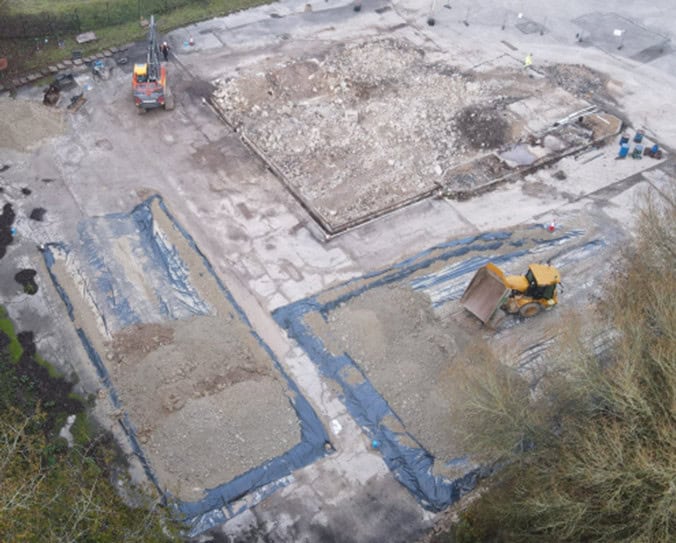
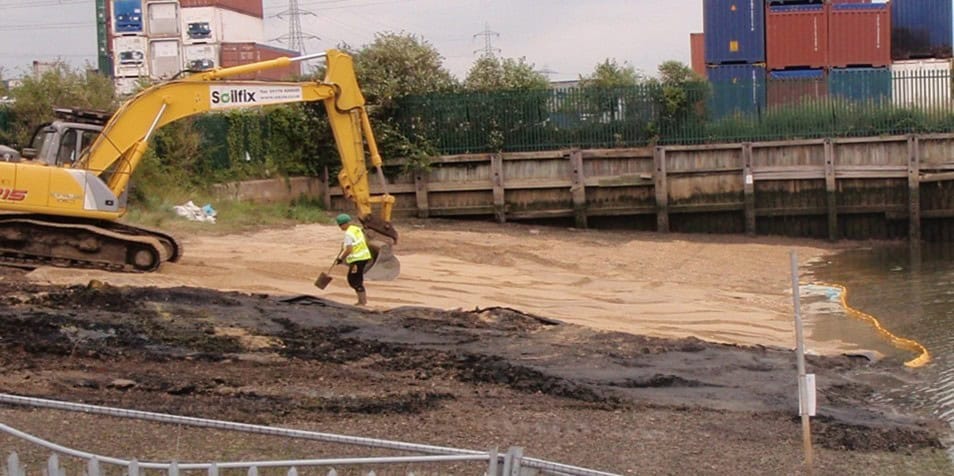
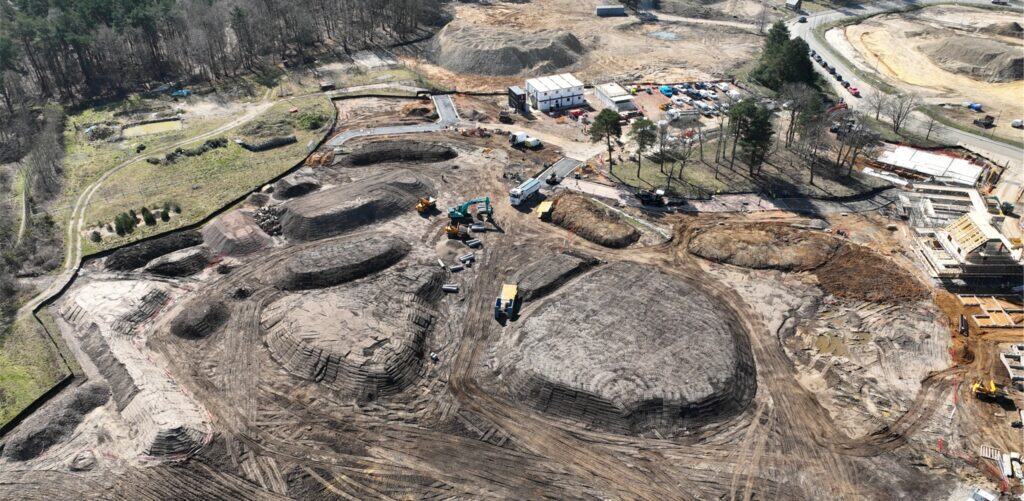
- Establishment of geomembrane-lined treatment cells for storage /treatment of grossly impacted soils;
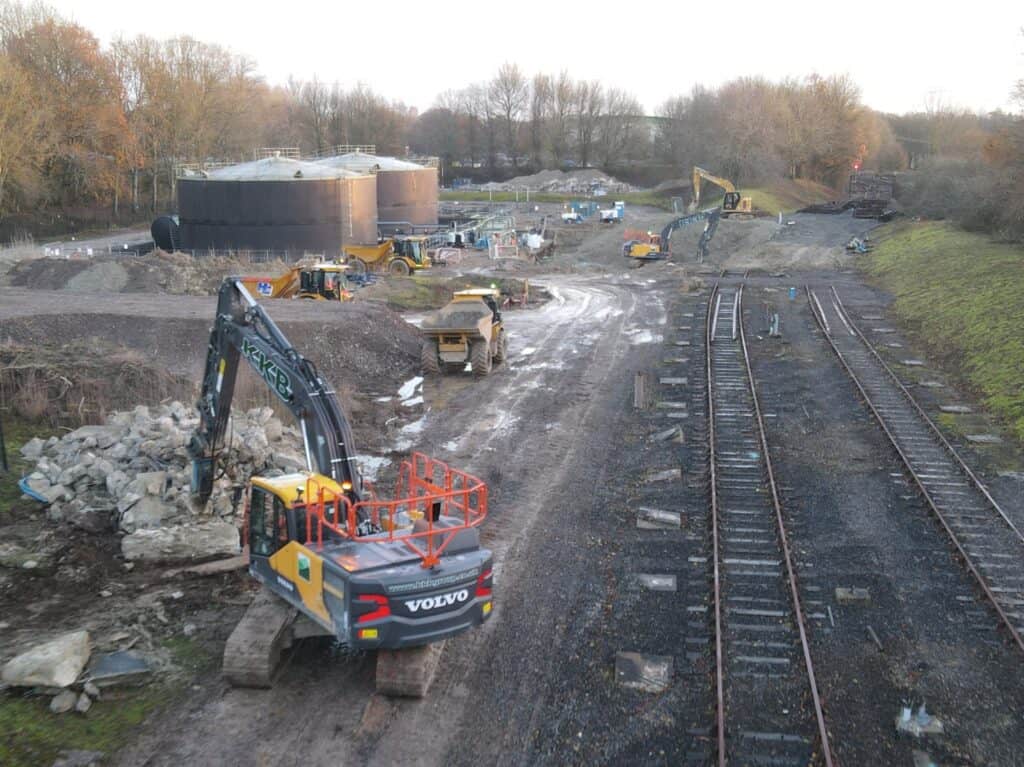
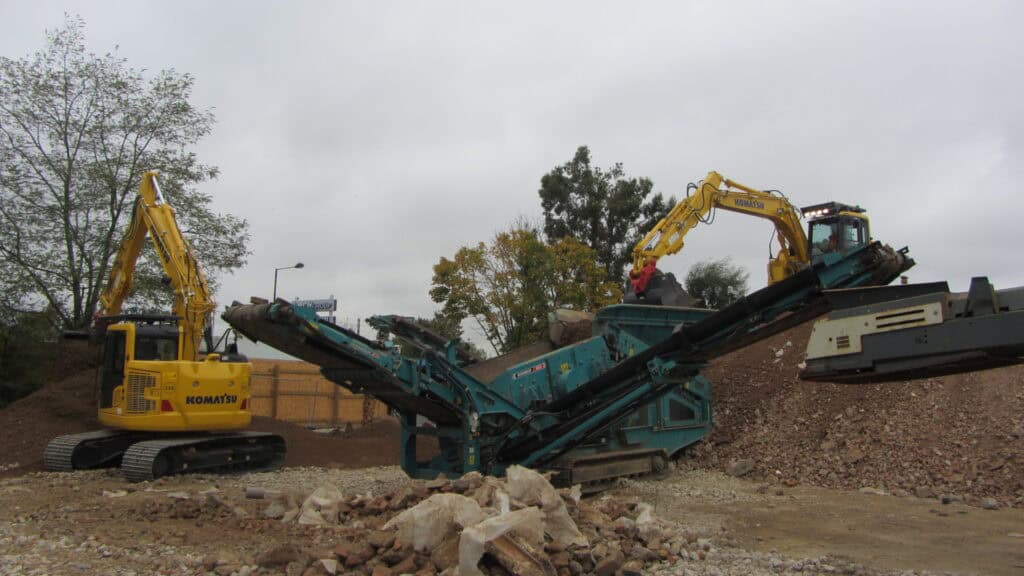
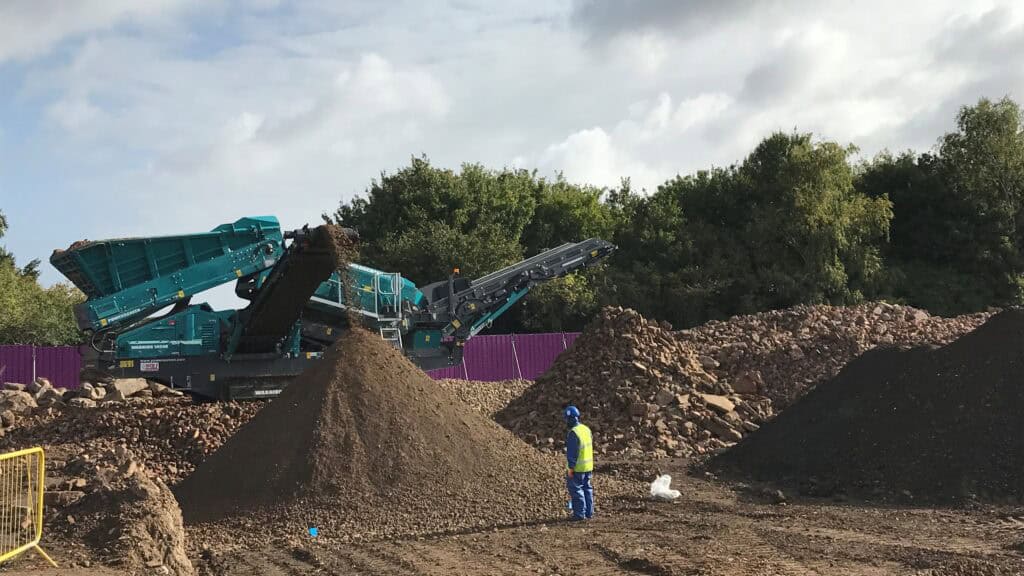
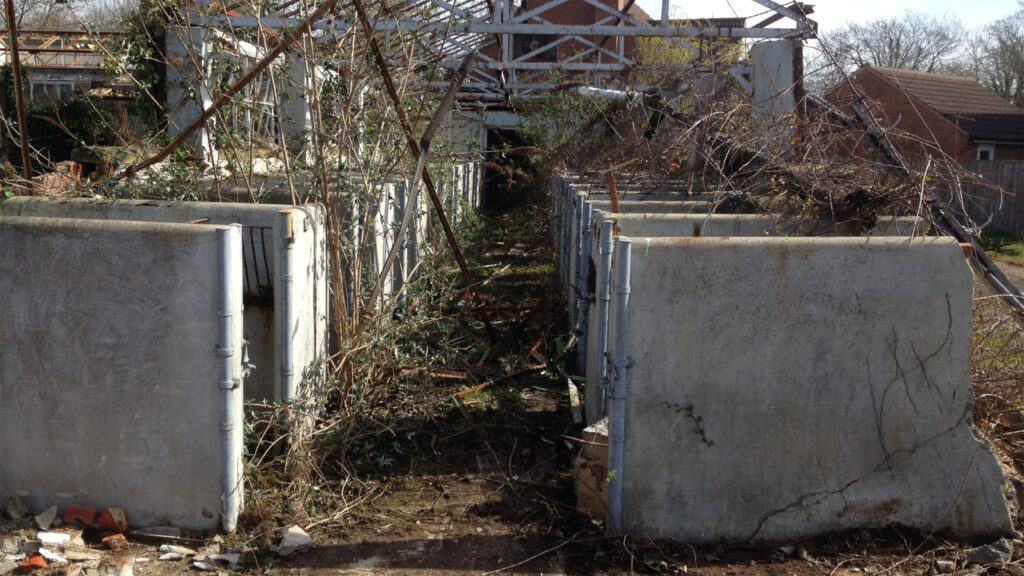
- Breakout of slabs and sub-structures to facilitate remediation—processing to 6F2 grading for re-use;
- Careful segregation of surface materials (ballast & sub-base) not requiring remediation for re-use as a surface development platform layer and groundwater cutoff trench reinstatements;
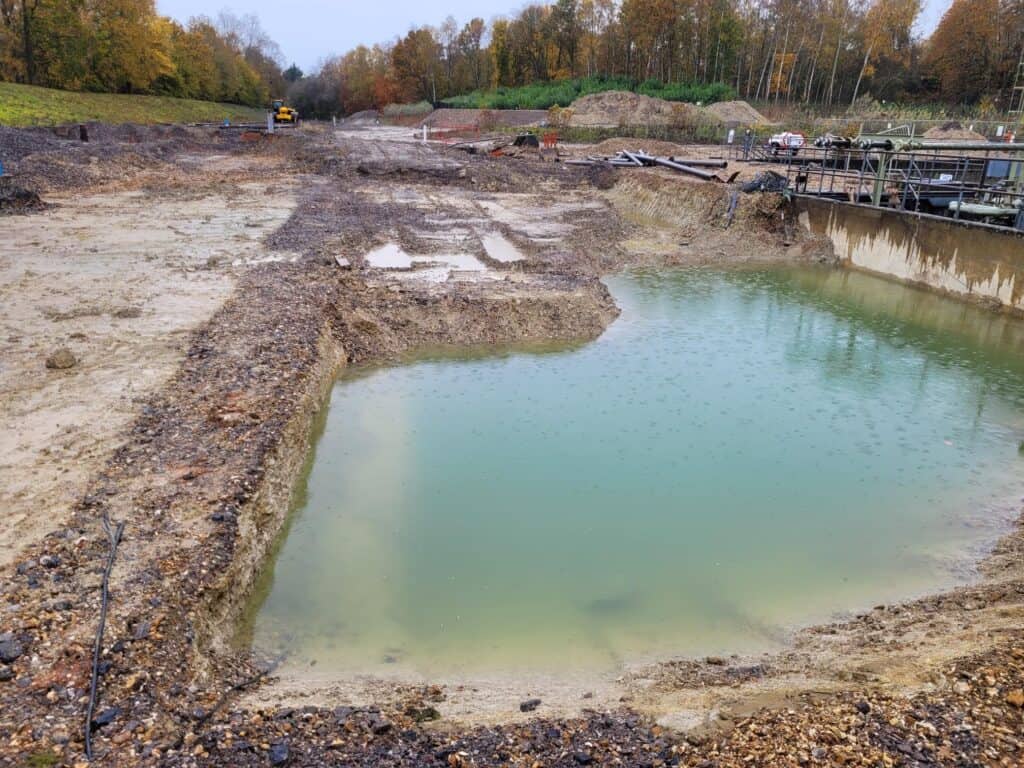
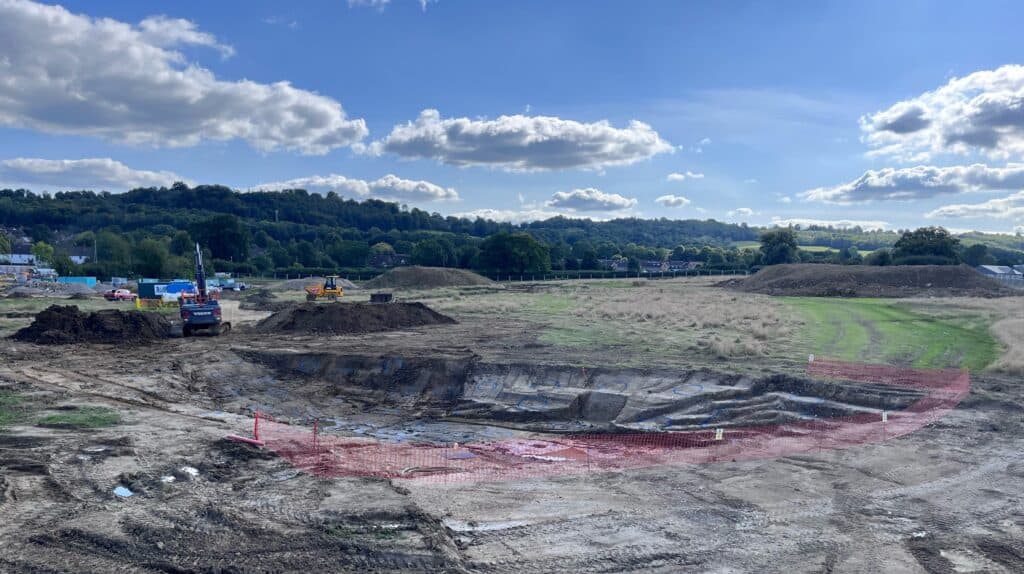
- Excavation of 7,000m3 hydrocarbon impacted source areas to maximum depth of up to 6.0mbgl with comprehensive temporary works;
- Screening/sorting of excavated made ground soils—Quicklime modification as required;
- Fast-track CSS treatment of 2,500m3 oil saturated soils using Sodium Persulphate activated by a cementitious grout to rapidly reduce concentrations below required targets (leachable TPH). 2,500m3 of lightly impacted soils were stabilised using OPC only;
- In-situ treatment of an area of residual free-phase contamination identified beyond practical limits of excavation (7.5mbgl) – using Sodium Persulphate activated by a cementitious grout;
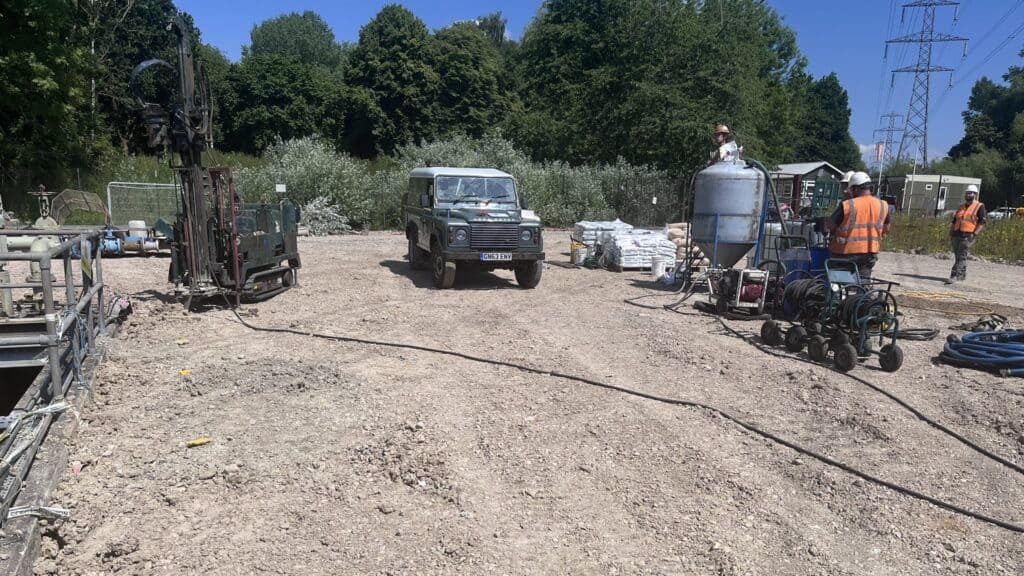
- Groundwater pumping and treatment using on-site plant prior to discharging to the site system;
- Robust testing and verification sampling procedure for excavations and site-won backfilled soils; and,
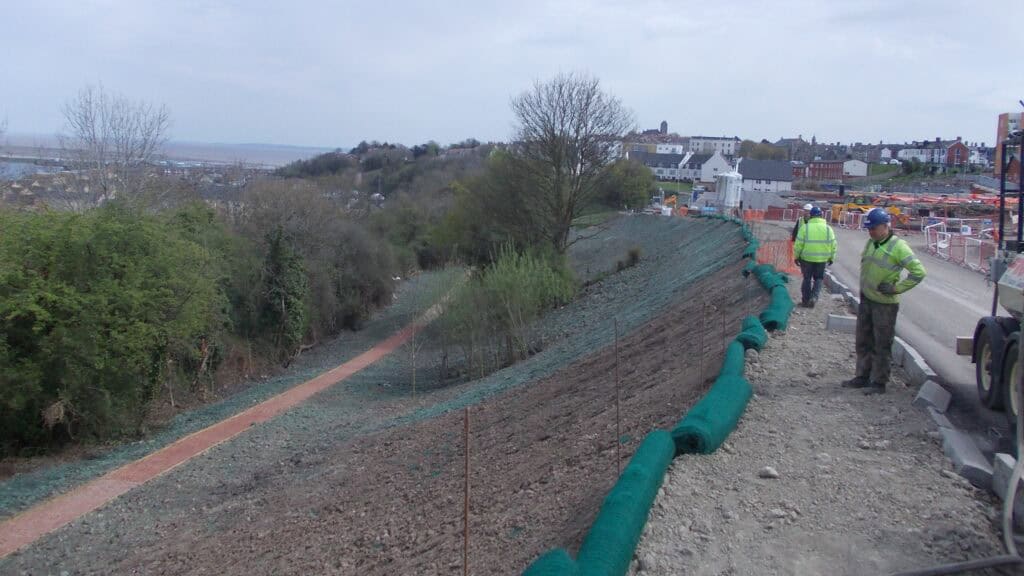
- Re-construction of a groundwater collector trench and construction of a development platform layer.
Soilfix successfully completed all works on programme and in accordance with the client’s exemplar Quality, Health, Safety & Environmental standards, demonstrating compliance with the remediation strategy and required specifications through robust verification testing. Post-remediation groundwater monitoring confirmed a significant betterment of dissolved TPH concentrations, that enabled a successful surrender of the site’s Environmental Permit.