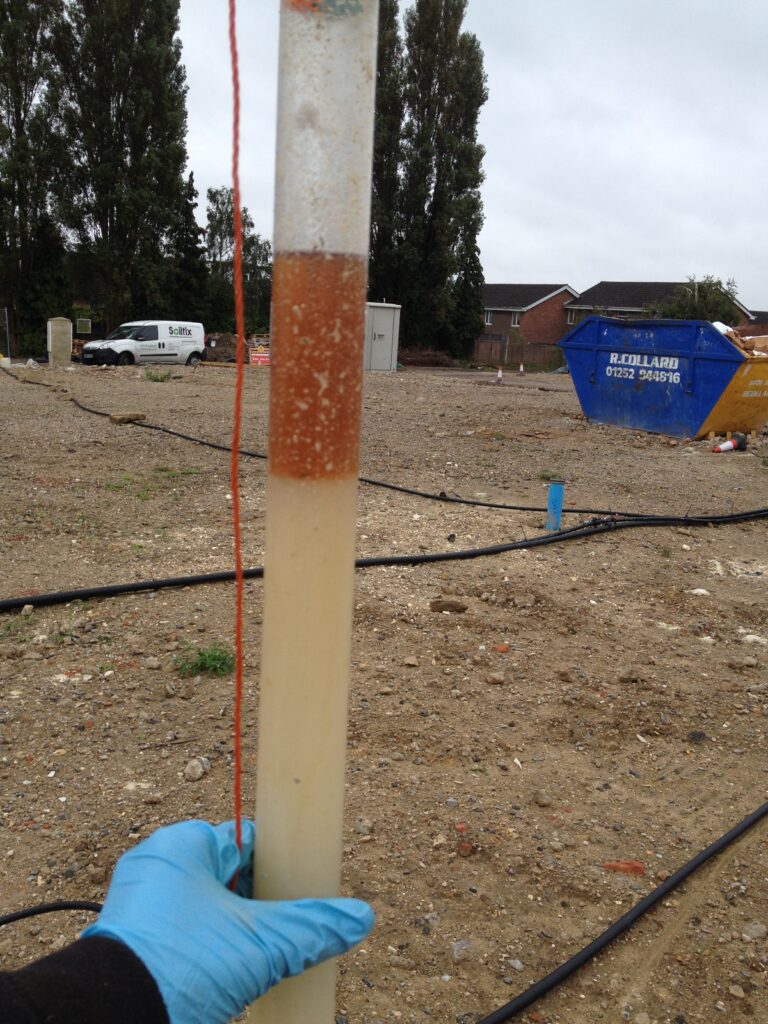
The contamination had migrated up to 15mbgl within the Chalk Principal Aquifer. Hydrocarbon contamination was present as a dissolved phase plume as well as localised floating free product (LNAPL). Remedial objectives set by the client and Environment Agency were to remove mobile LNAPL and also to deliver betterment of the dissolved phase contamination to mitigate the risk to offsite drinking water abstraction wells.
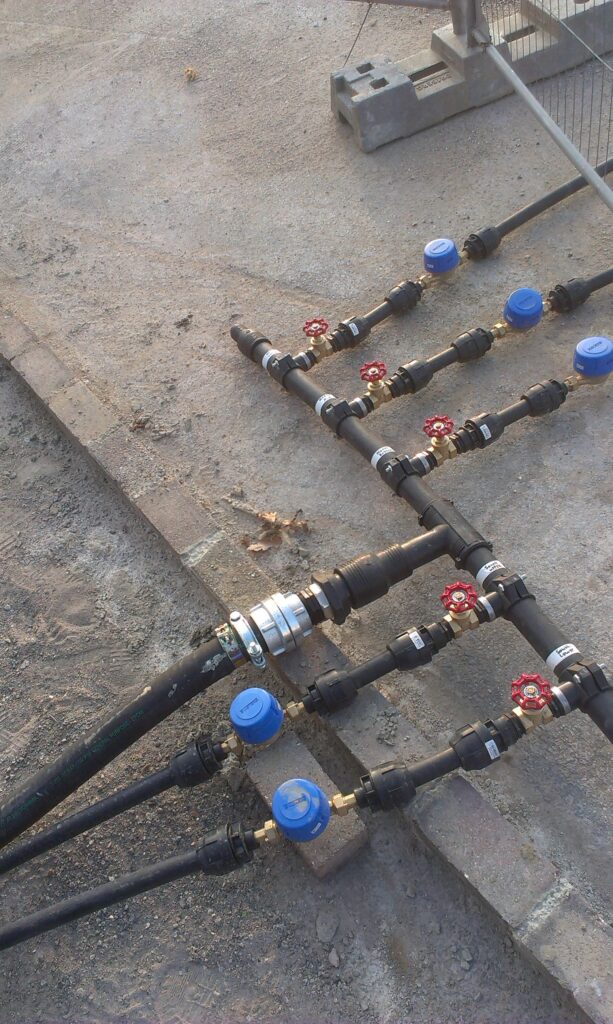
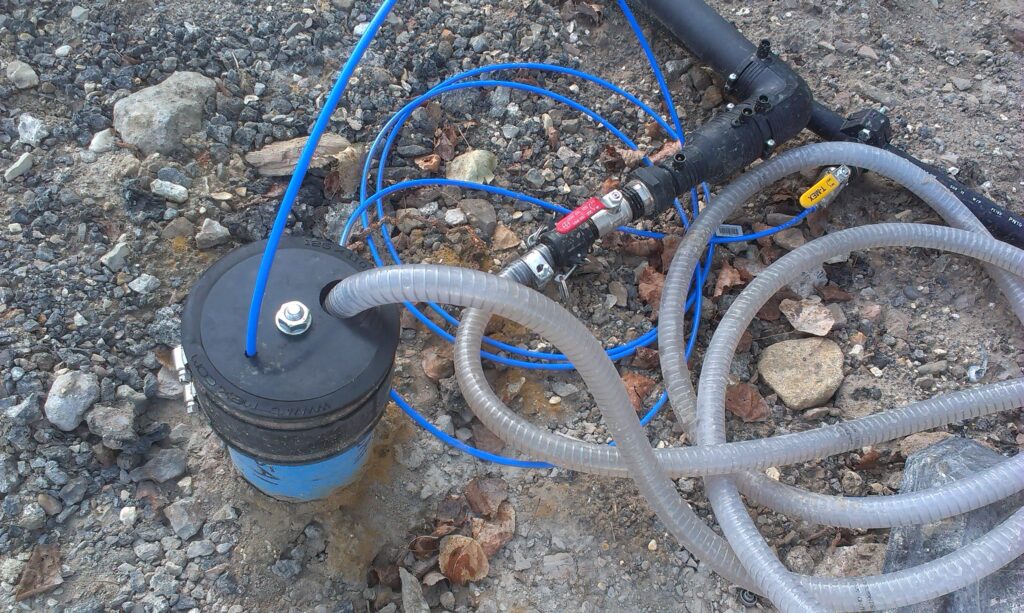
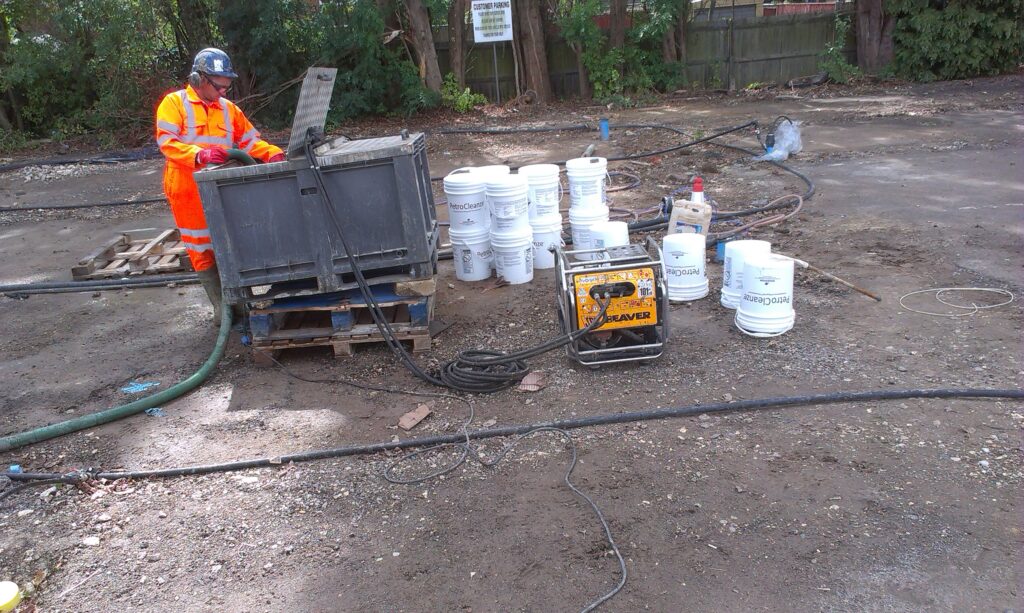
Soilfix’s remedial methodology was an augmented groundwater pump and treat system. Multi-stage surfactant injections were carried out to desorb NAPL. Pumping wells adjacent to the injection wells were used to draw the surfactants across the plume area. Localised groundwater mounding was also carried out to target removal of LNAPL in the smear zone.
Rather than disposing of large volumes of treated groundwater to foul sewer, Soilfix designed a more sustainable solution whereby treated groundwater was recirculated back into the aquifer. This had beneficial effects in relation to in-situ remediation and also prevented any negative hydrogeological impacts on the aquifer body. Recirculation was carried out under a bespoke environmental permit Soilfix obtained from the Environment Agency.
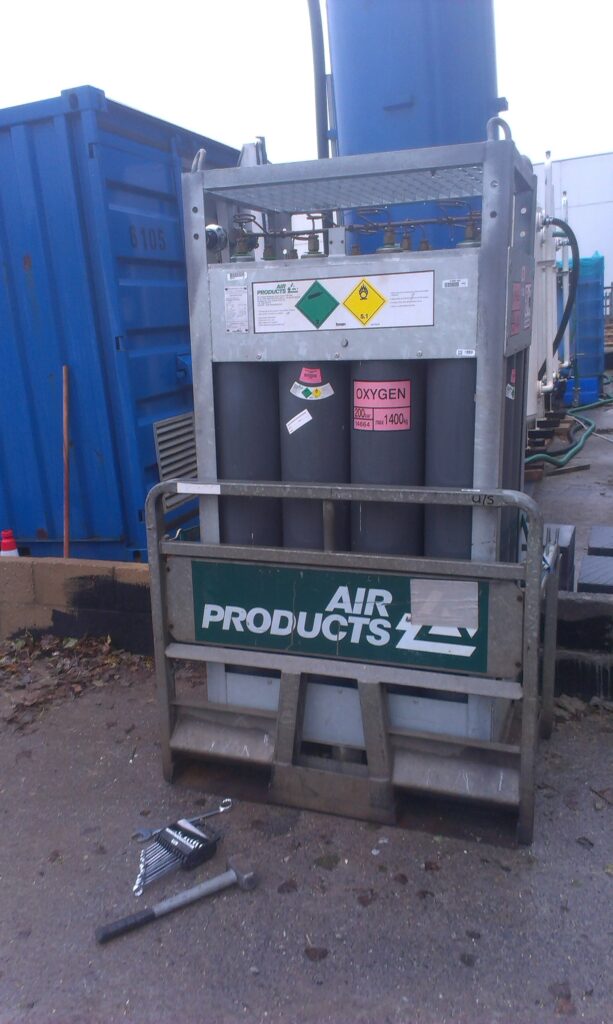
After LNAPL had been removed as far as practically possible, the remedial system was then modified to focus on enhancing in-situ biodegradation processes to deliver betterment of the dissolved phase contamination. Treated groundwater was infused with oxygen in the water treatment plant, with the supersaturated water re-injected into the aquifer to accelerate natural aerobic degradation. In addition, a seaweed-based bio-nutrient surfactant solution was periodically mixed into the recirculation feed to make in-situ geochemical conditions more suitable to in-situ microbial processes.
Following demobilisation of Soilfix’s treatment system, a 3 month period of validation monitoring was carried out by the client’s consultant. This monitoring did not record the presence of LNAPL in any of the groundwater wells on site. Furthermore dissolved phase conditions were found to be stable with good evidence of in-situ natural attenuation.
All remedial objectives were achieved to the satisfaction of the client and the Environment Agency.