THE CHALLENGE:
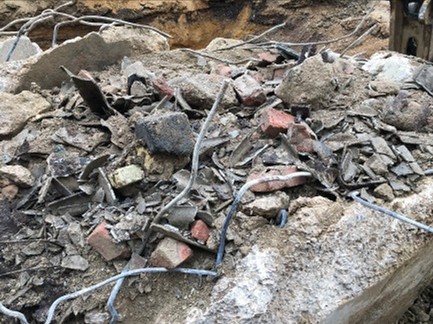
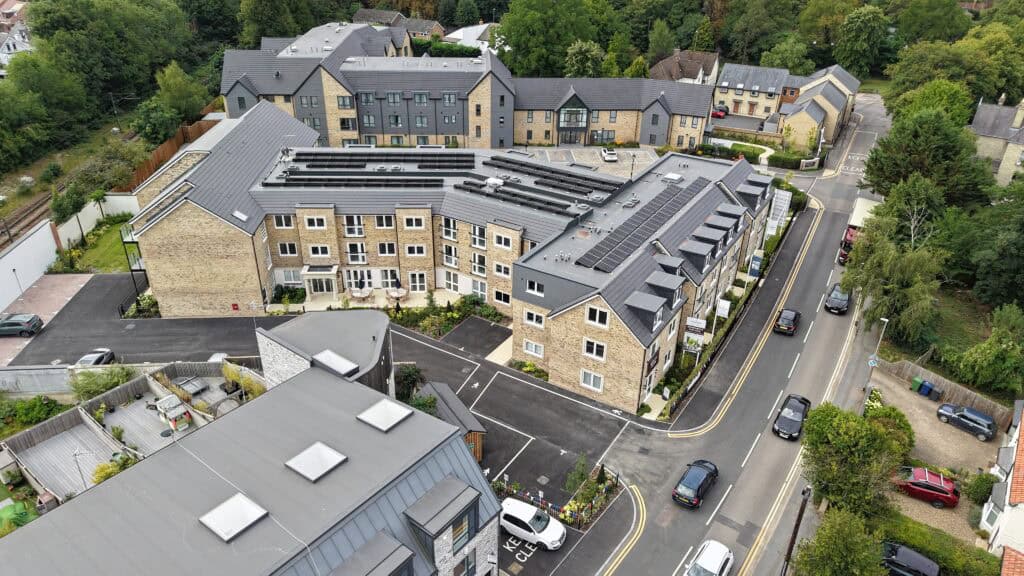
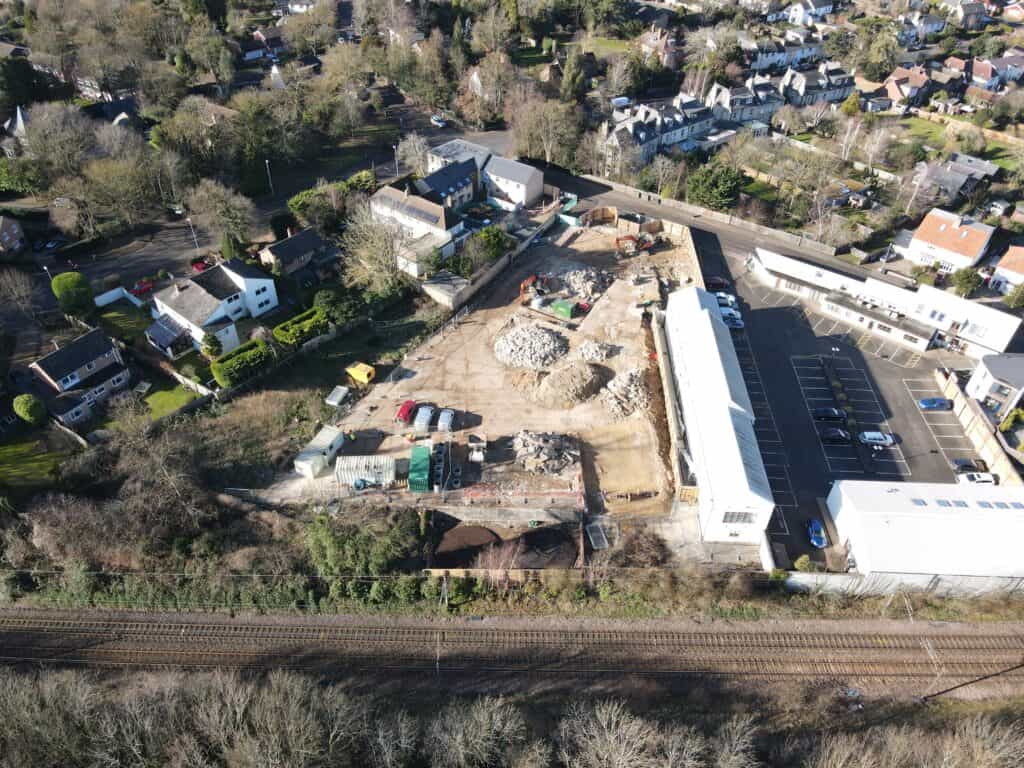
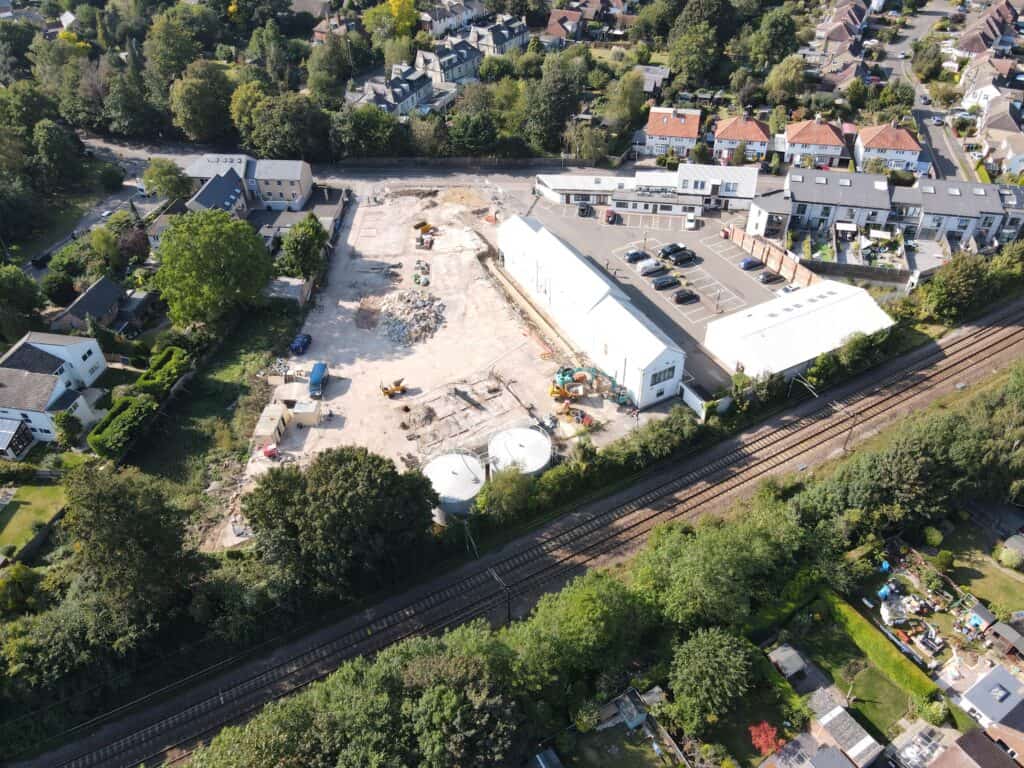
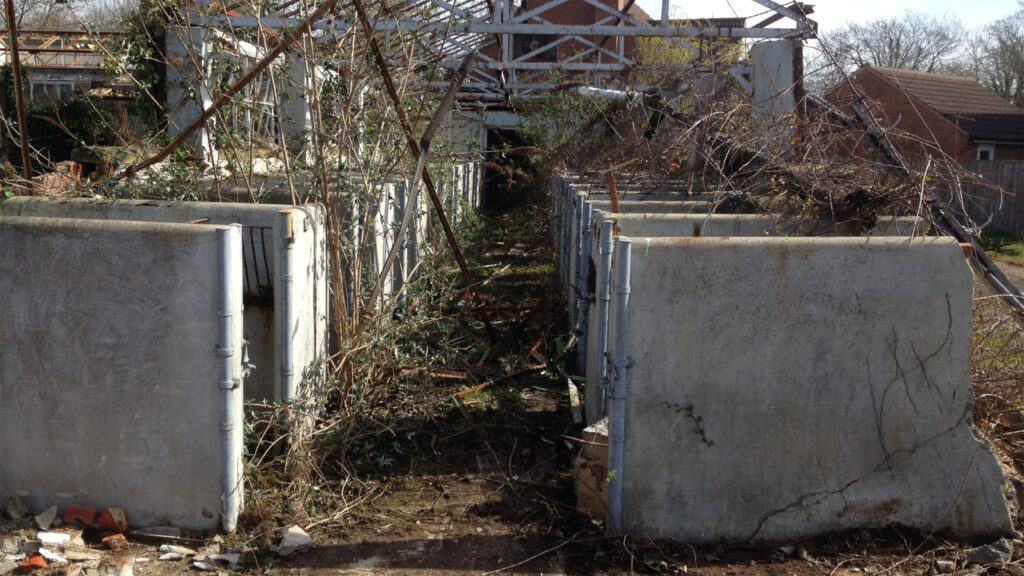
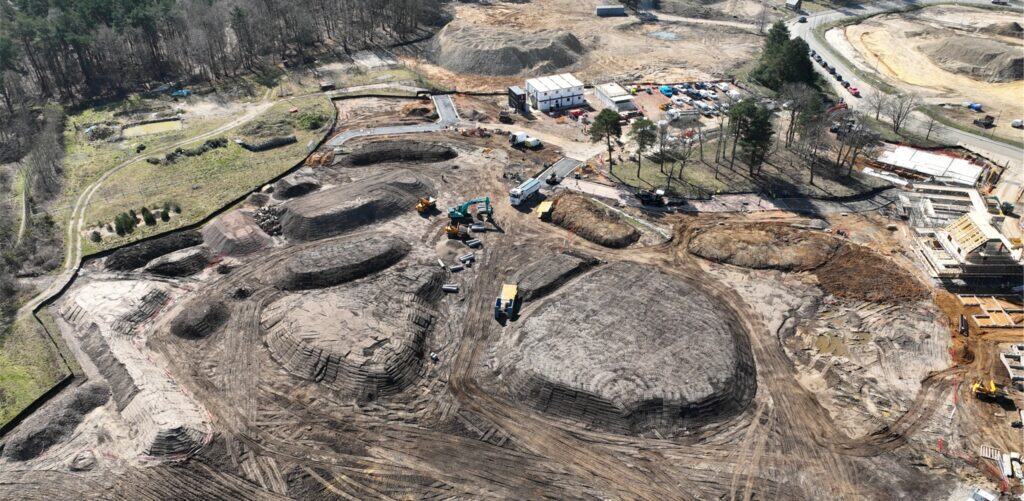
The site was a former oil fuel depot and required enabling works and a multi-phase remediation programme prior to redevelopment of 255nr retirement apartments. In spite of a long-term historical remediation programme, groundwater was impacted by heating oil as a Light Non-Aqueous Phase Liquid (LNAPL) and associated dissolved phase plume within chalk geology. The site required remediation to discharge planning conditions whilst also minimising disturbance to the chalk formation to retain its integrity for an economic foundation design. Gross quantities of asbestos cement sheet (ACS) were also encountered within the Made Ground immediately below concrete hard-standing.
OUR SOLUTION:
Remedial objectives were agreed for the site in conjunction with the client’s appointed Environmental Consultant and Soilfix designed and implemented a remediation scheme which included:
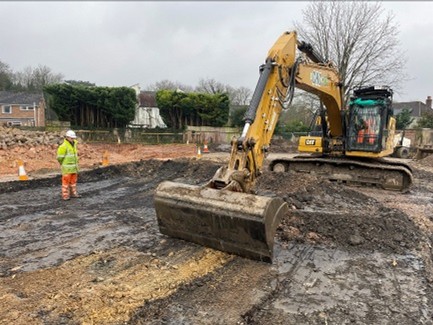
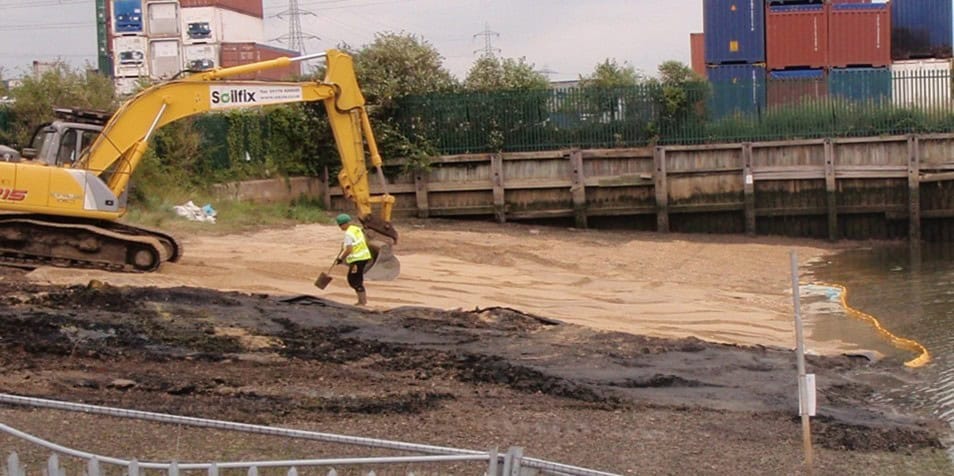
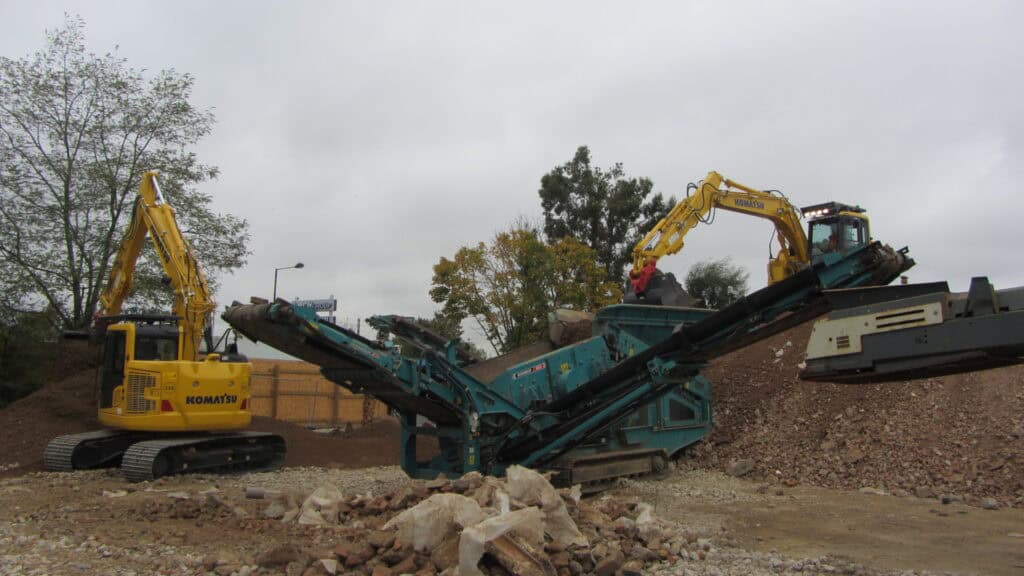
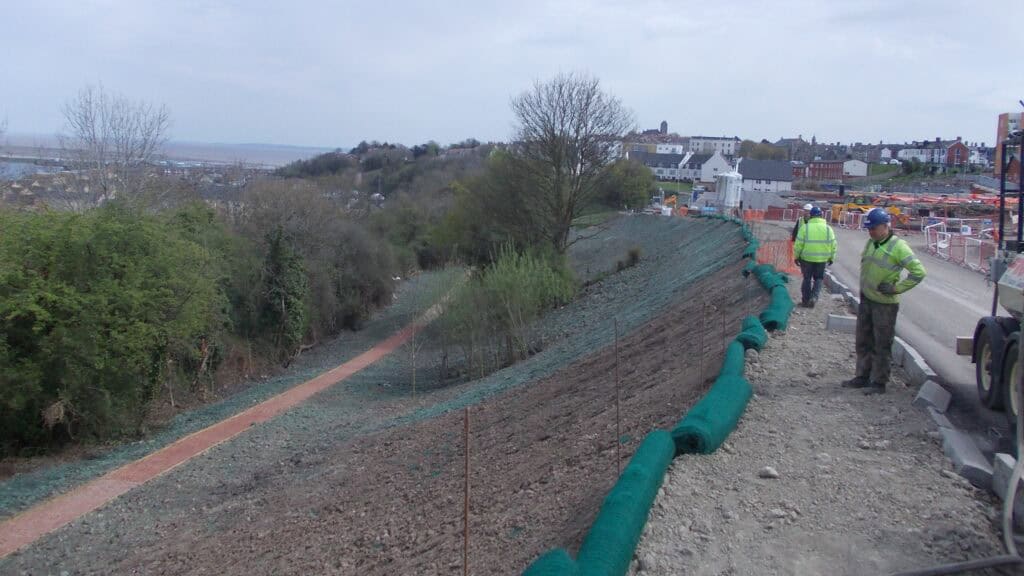
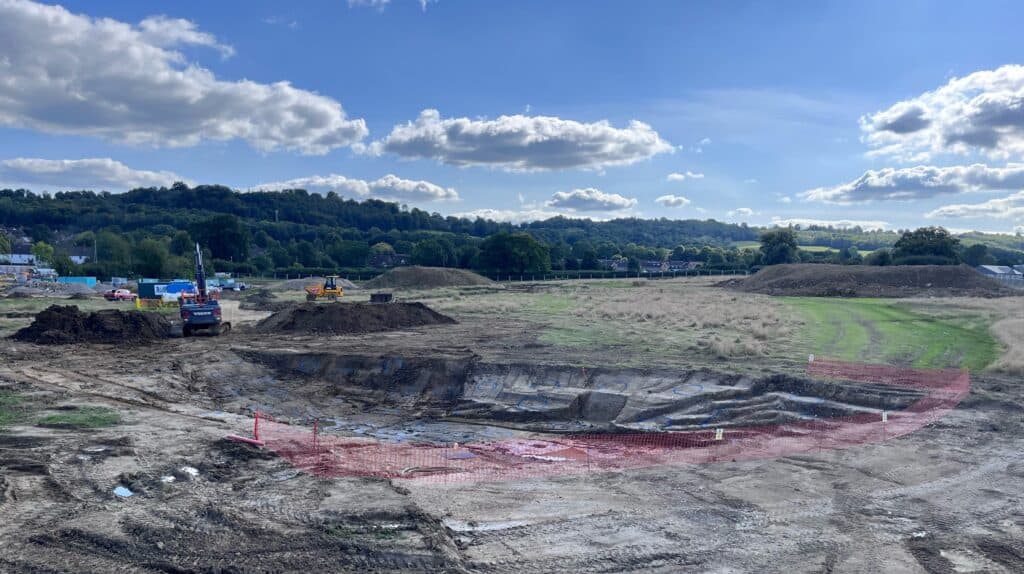
- Cut and fill regrade including removal of slabs & below ground obstructions, such as redundant drainage interceptors and fuel filling lines.
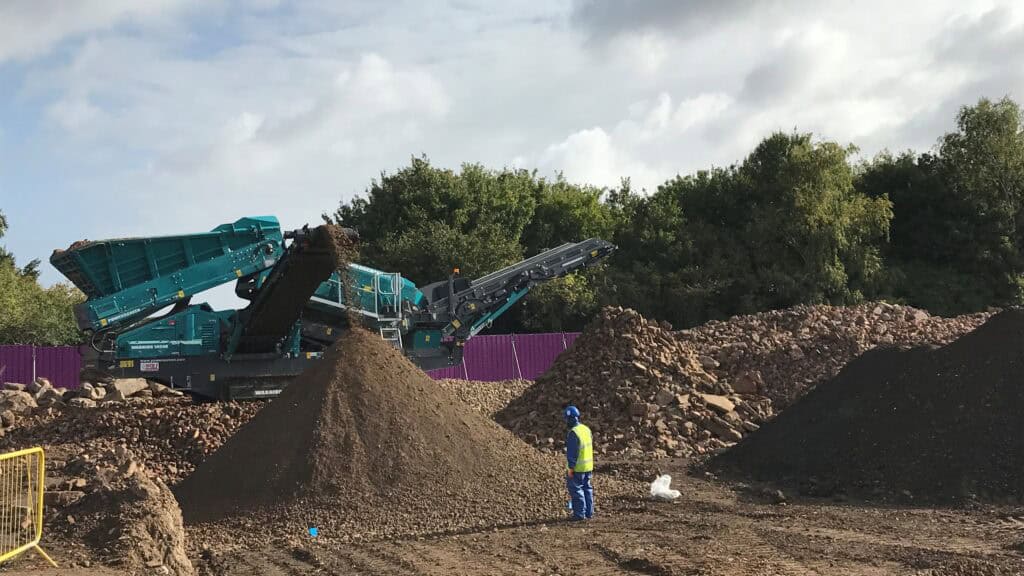
- Targeted remediation of hydrocarbon impacted source areas under watching brief, segregating into hazardous and clean natural materials. Oil impacted (hazardous) soils removed off-site to a permitted treatment facility, with segregated clean material utilised for re-profiling under the Soilfix MMP.
- Targeted excavation and hand-picking of asbestos cement fragments, removing untreatable gross quantities off-site as hazardous waste.
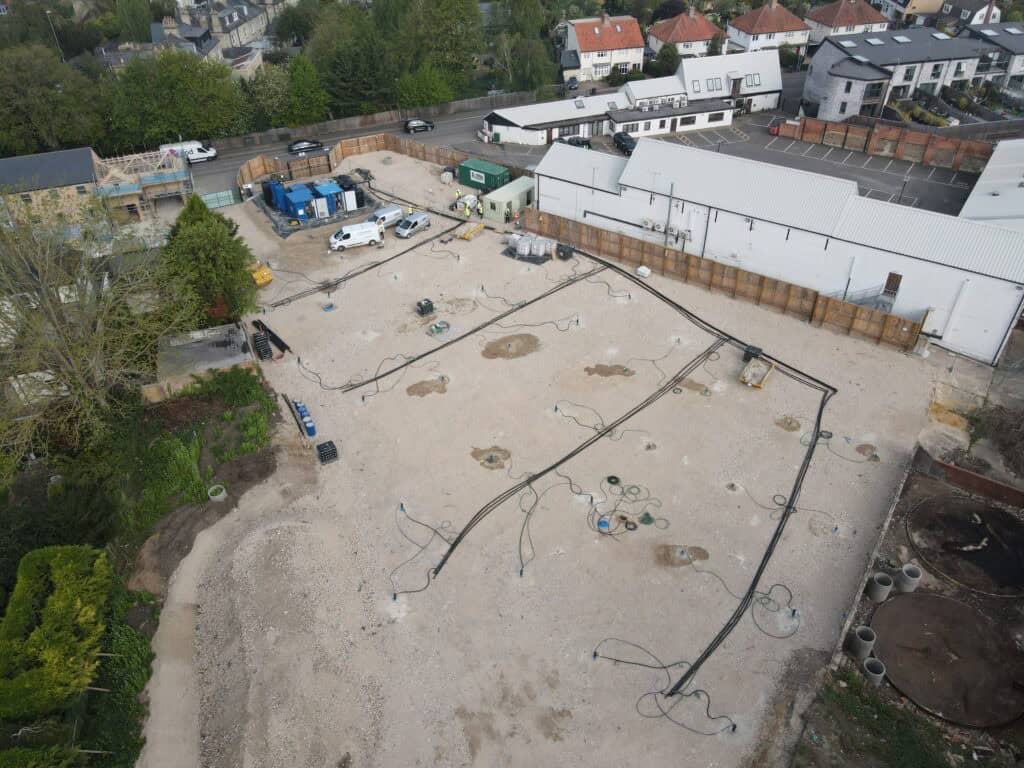
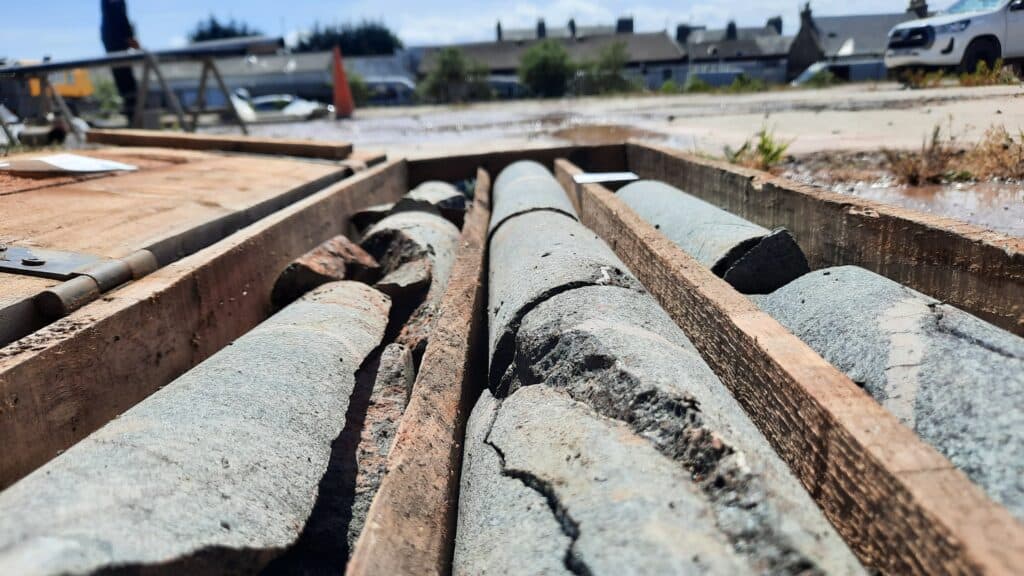
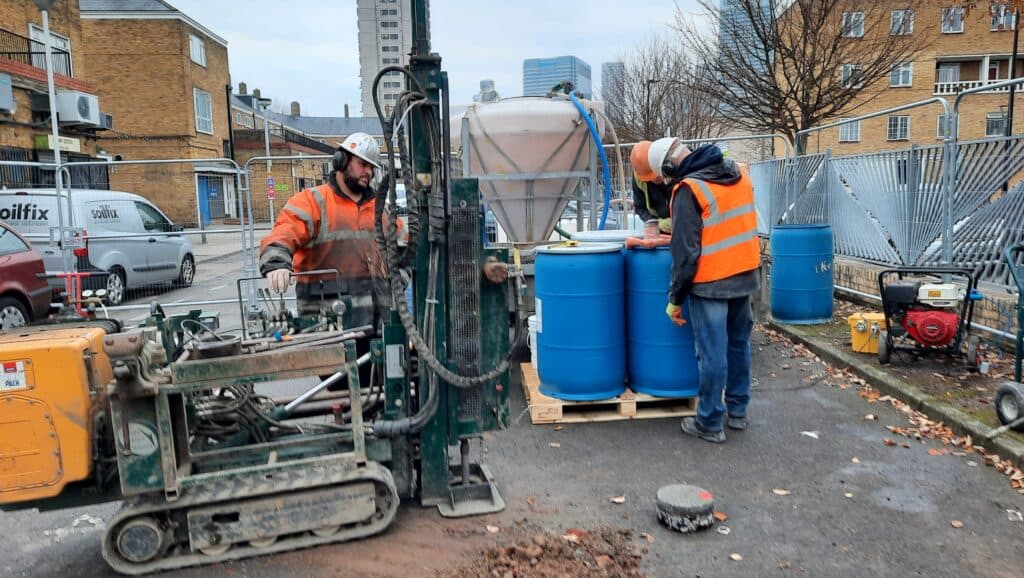
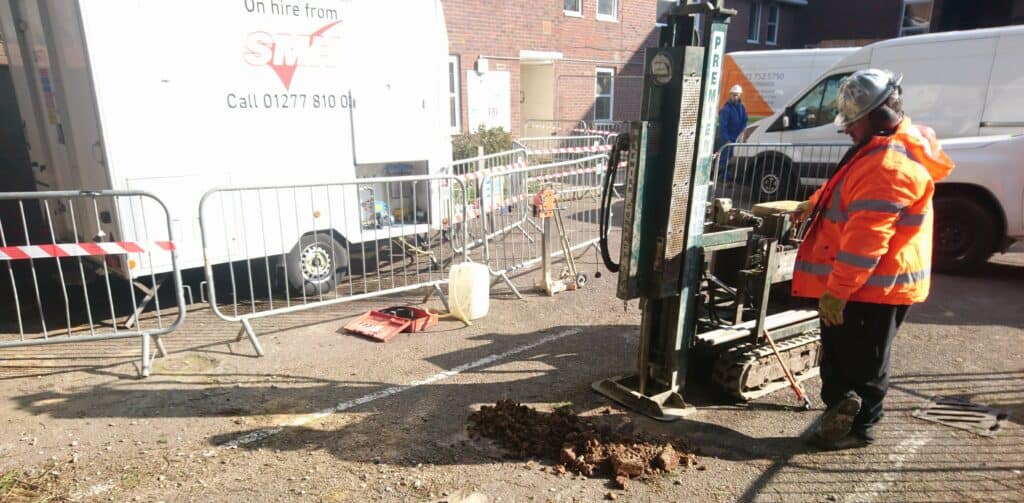
- Dynamic delineation of LNAPL impact allowed for the targeted installation of groundwater boreholes and remediation of the underlying chalk formation.
- An intense two month programme of multi-phase remediation which included operation of a dual-phase vacuum extraction system combined with in-situ chemical injection (ISCO) to desorb residual LNAPL contamination and release oxygen into the groundwater.
All site works were completed with zero lost time accidents. Remedial objectives (including 85% reduction in TPH concentrations) were achieved during an intensive groundwater treatment and monitoring period that provided robust lines of evidence for overall remediation performance.