The Challenge:
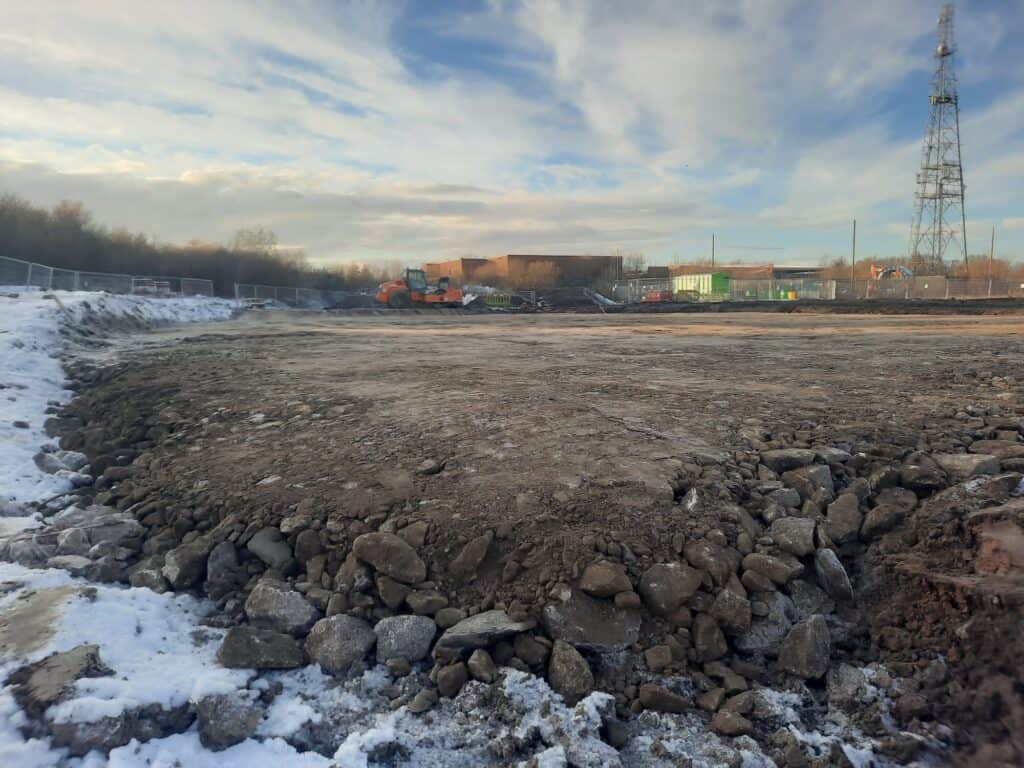
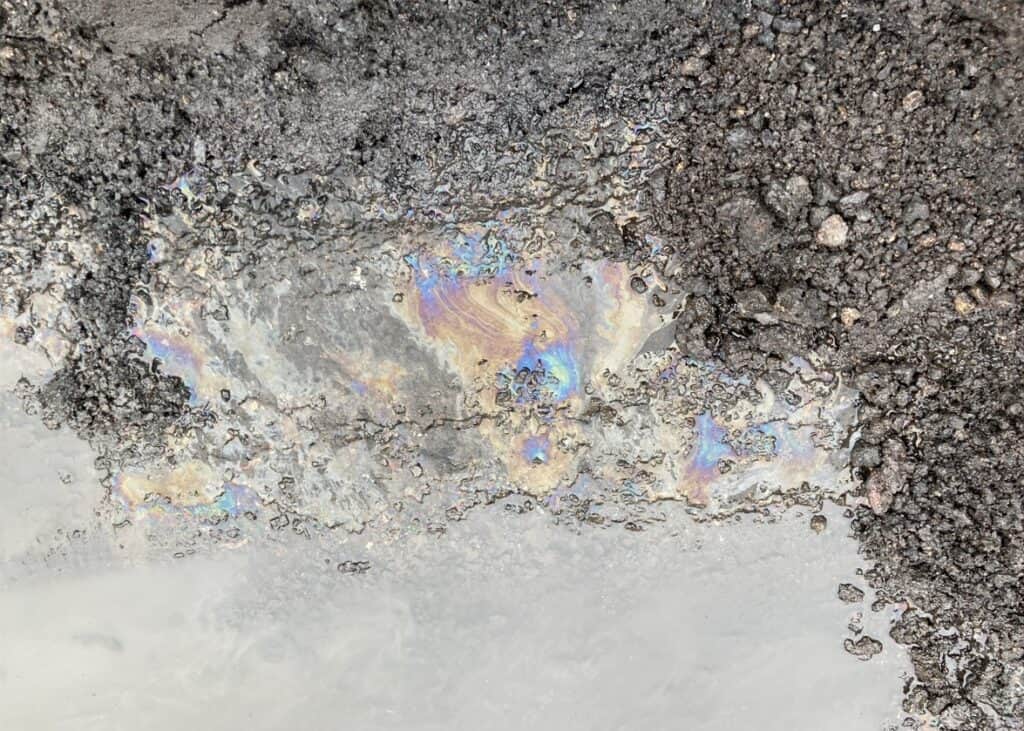
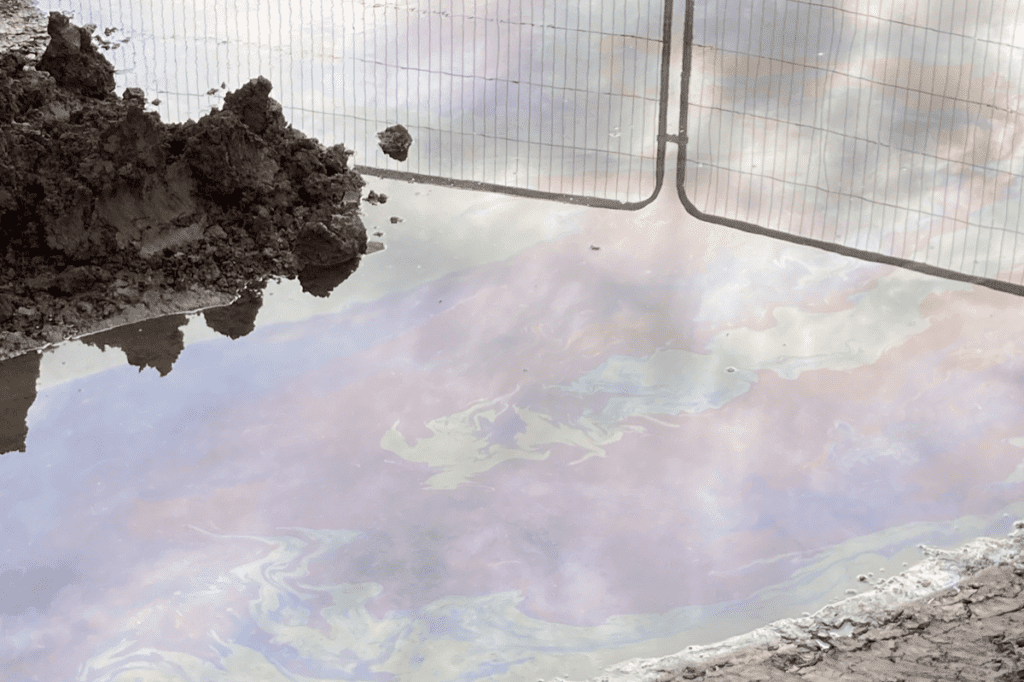
A plume of free-phase hydrocarbon impacted soils and groundwater was identified during site investigations underlying an area of proposed redevelopment for a new sub-station building. Asbestos cement and fibres were also identified in soils during the investigation. The challenge was to treat and verify site soils to a standard suitable for re-use against an agreed remediation strategy, whilst re-using as much material as possible on site as practicable to client specific requirements. Treated materials were also required to meet geotechnical targets during backfilling to provide a suitable formation to enable construction of a piling mat, whilst falling below thresholds for non-hazardous waste disposal during future site works. Due to a limited footprint, and programme requirements involving winter working an emerging technology called Chemox-Stabilisation/Solidification (CSS) was adopted as the optimal soil treatment approach.
Our Solution:
A Remediation Strategy was agreed with the Local Authority and Environment Agency, and Soilfix designed and implemented a multi-disciplinary remediation scheme, which included:
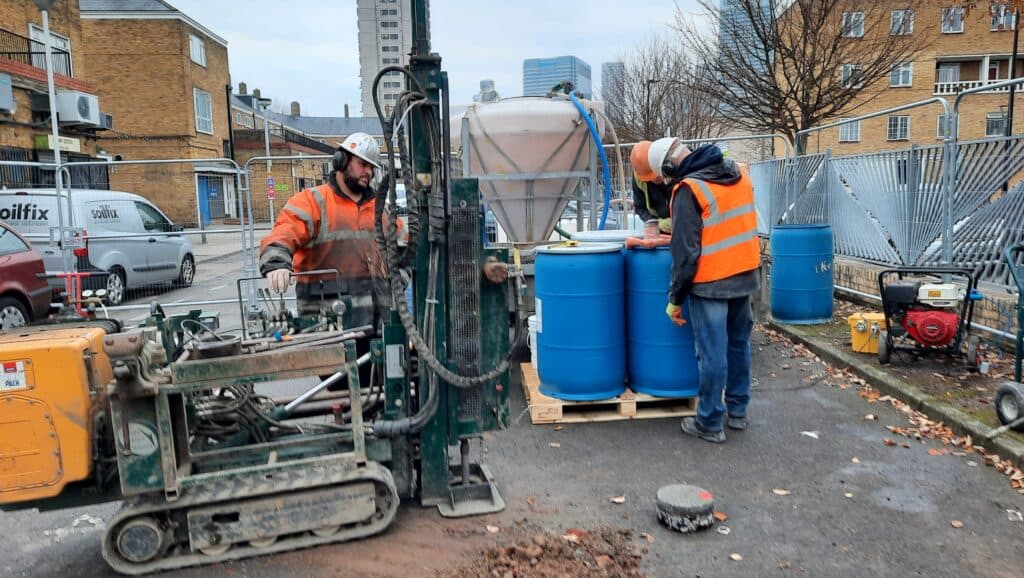
- Bench–scale trials to determine the appropriate chemox/activator/binder treatment ratios were completed using samples of contaminated material obtained from site;
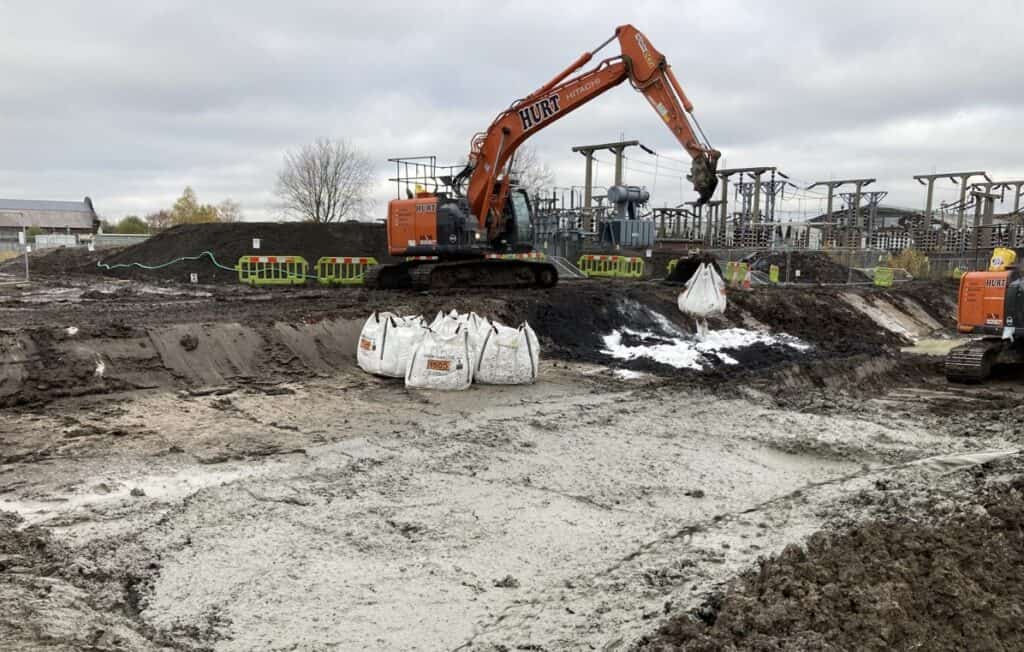
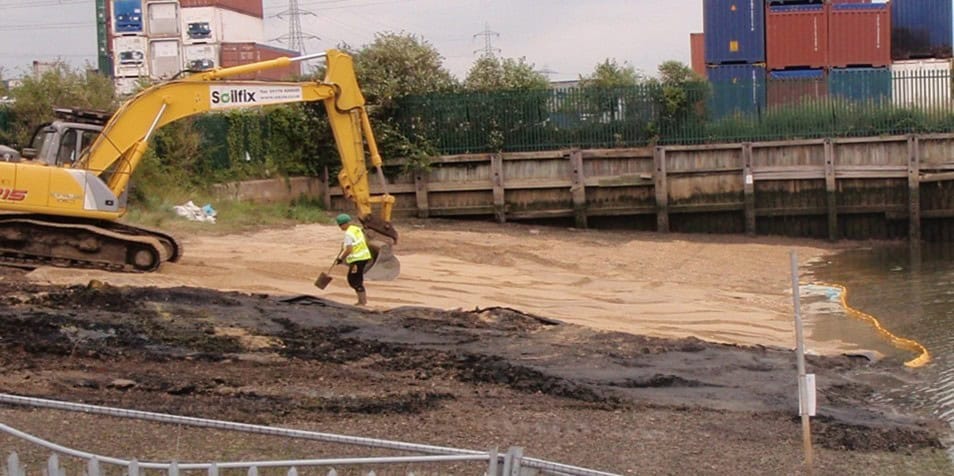
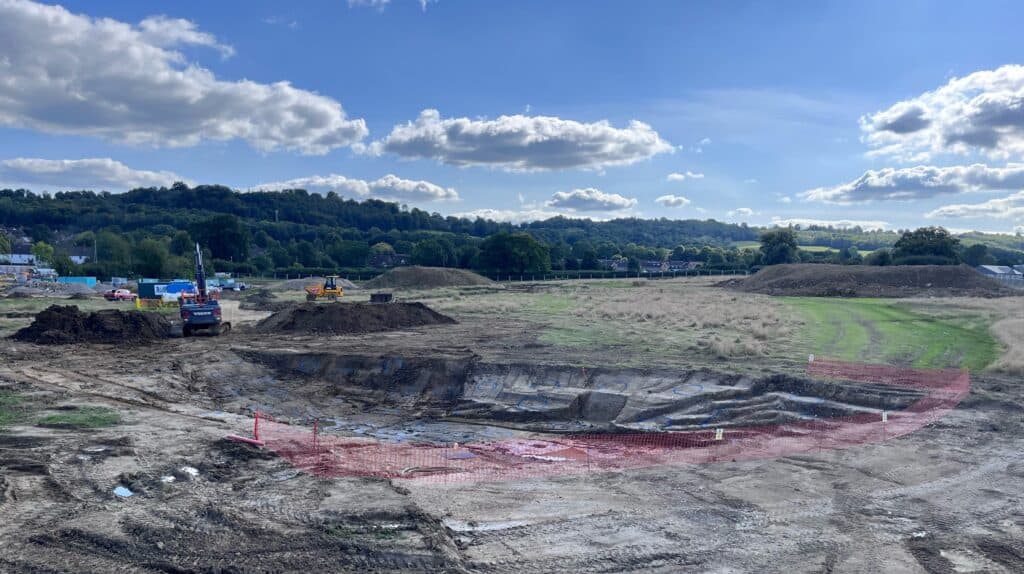
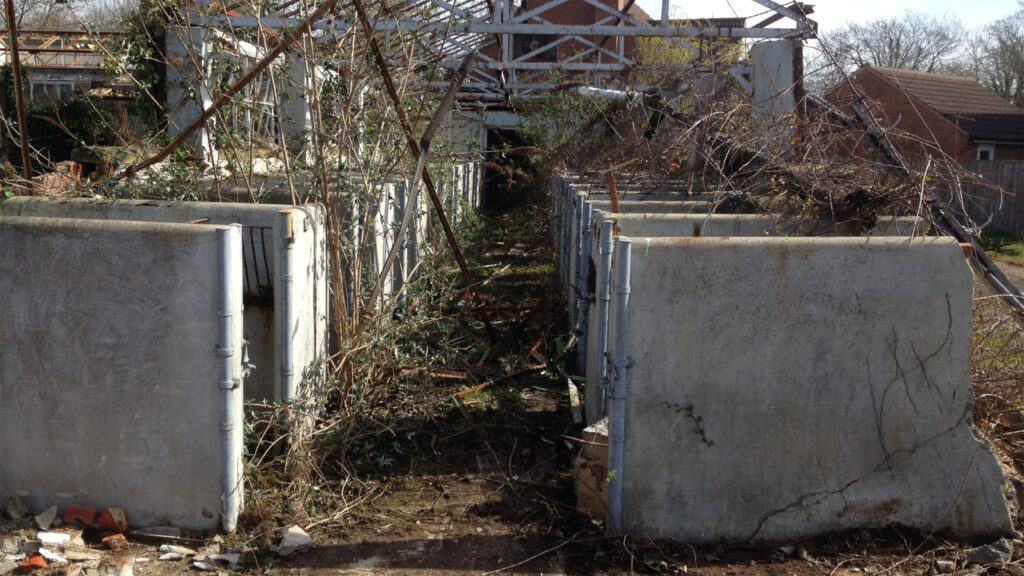
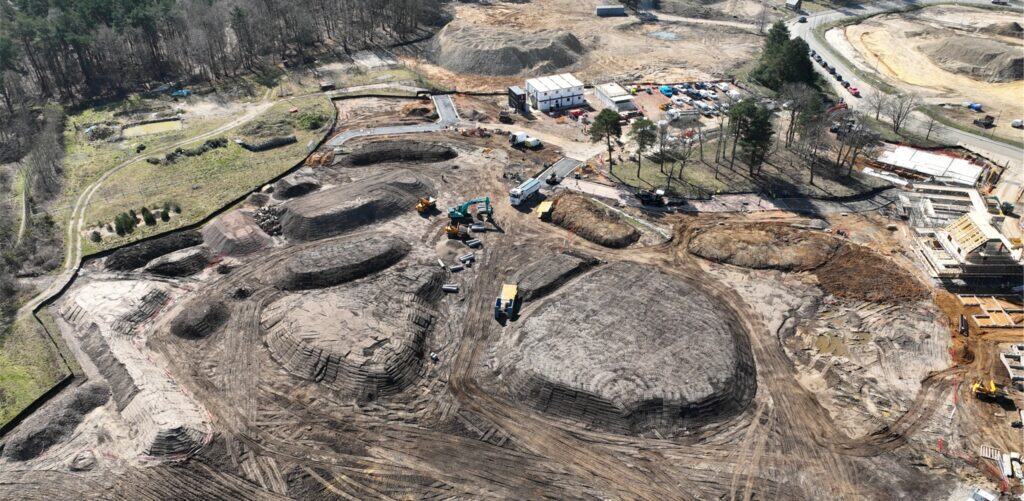
- Excavation of hydrocarbon impacted source area, breaking out identified sub-structures including a large infilled concrete pit full of oily wastes (source of the free-phase hydrocarbons);
- Segregation and hand-picking of asbestos cement impacted materials, removing segregated grossly impacted soils to a permitted soil treatment facility;
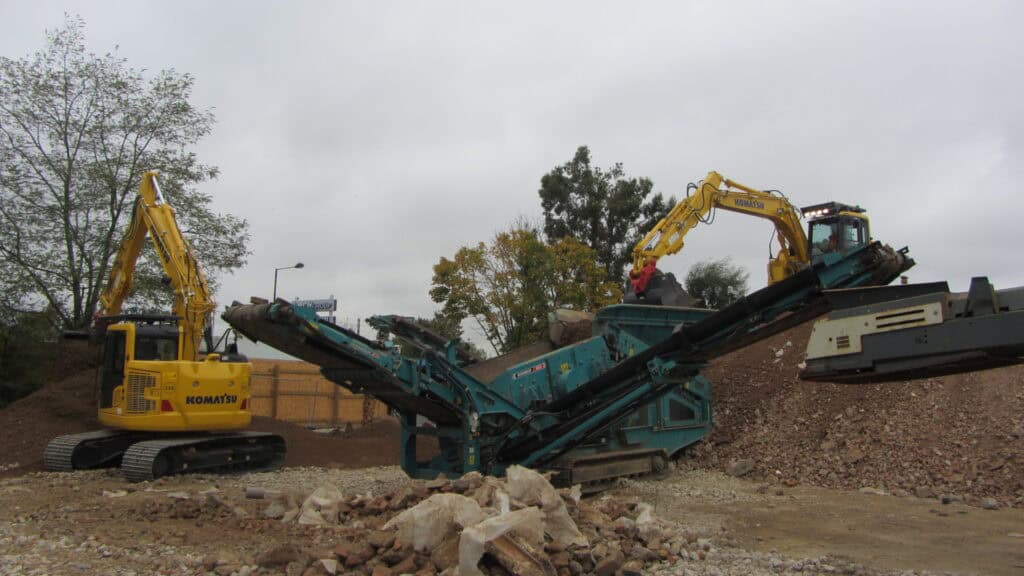
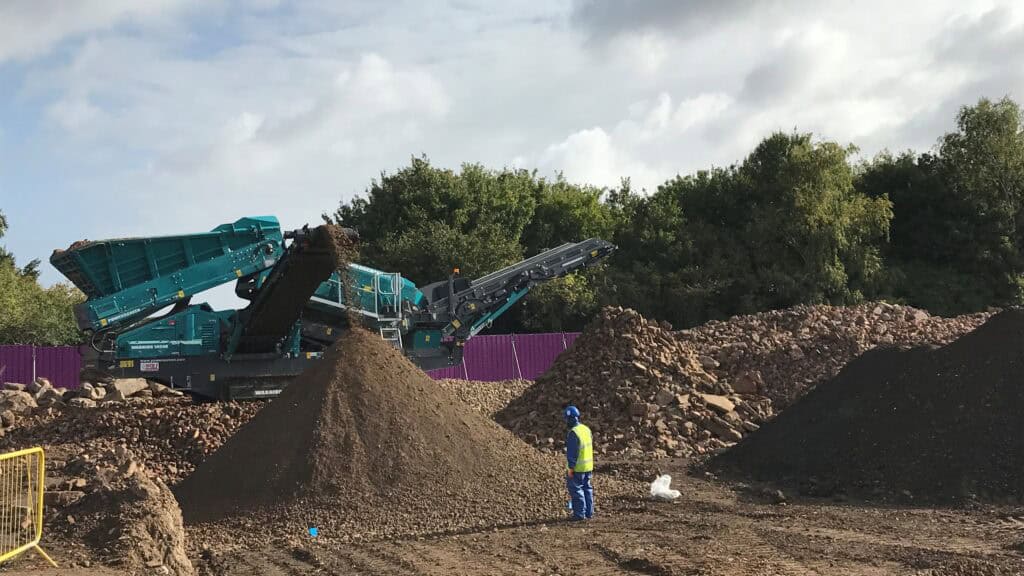
- Quicklime modification and screening/sorting of excavated made ground soils;
- Fast-track CSS treatment of TPH saturated soils using Sodium Persulphate activated by a cementitious grout to rapidly reduce concentrations below required targets and meet required geotechnical parameters for the development platform;
- Groundwater pumping and treatment using on-site plant prior to discharging to foul sewer;
- Robust testing and verification sampling procedure for excavations and site-won backfilled soils;
- Recovery and processing of site-won screened aggregate and concrete to 6F2 grading; and,
- Construction of a robust hybrid pile mat (cement stabilised soils / crushed aggregate) to enable piling operations for building foundations.
Soilfix successfully completed all works to meet the client’s ongoing construction programme, demonstrating compliance with the remediation strategy and required specifications through robust verification testing. All works were completed to the clients stringent EHS requirements with zero incidents or lost-time accidents recorded.