The Challenge
Comprehensive remediation of two free-phase hydrocarbon source areas was required to mitigate risks to residents in neighbouring properties and future site occupants. Further challenges included archaeological constraints, sporadic asbestos-containing materials within the Made Ground, Japanese Knotweed infestation and the site being situated directly adjacent to a London Underground line (LUL) & Station.
Our Solution
Soilfix designed and implemented the following solution, fully in line with LUL requirements, as well as current legislation & Codes of Practice for managing Asbestos, Waste & redundant fuel infrastructure:
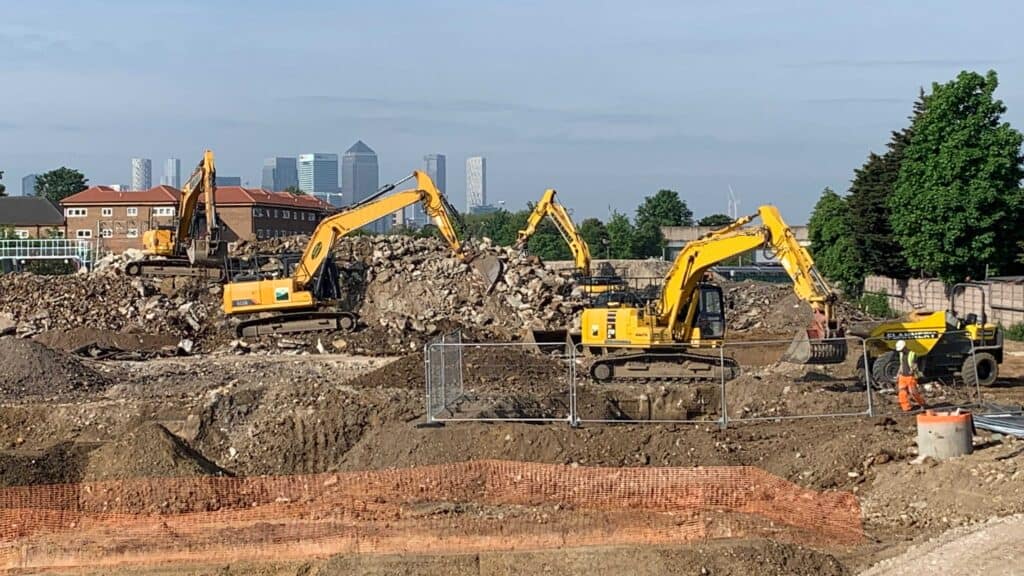
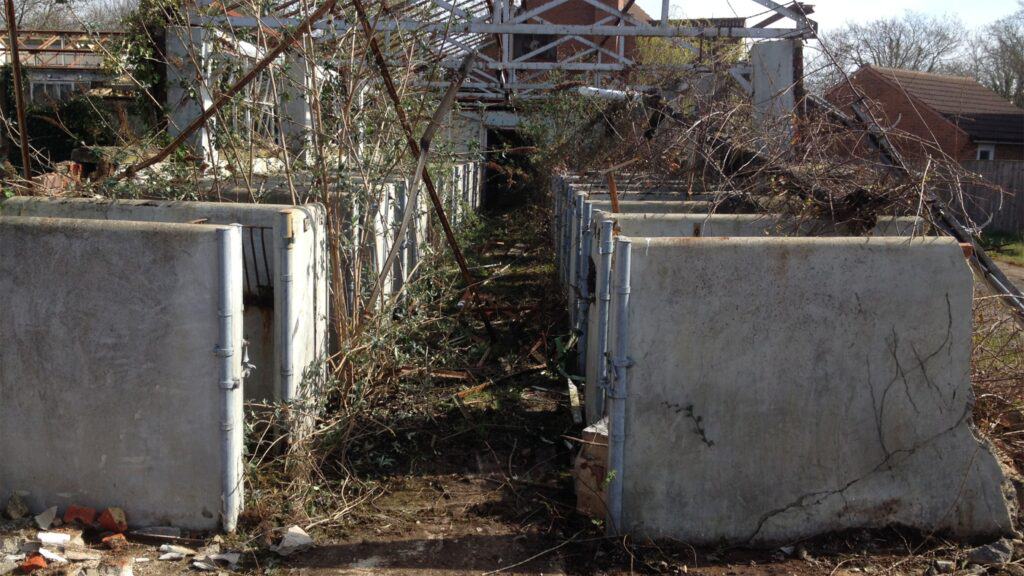
- Procurement and supervision of demolition contractor to undertake demolition works including complex licensed asbestos removal;
- Decontamination/removal of redundant fuel /oil USTs and associated infrastructure;
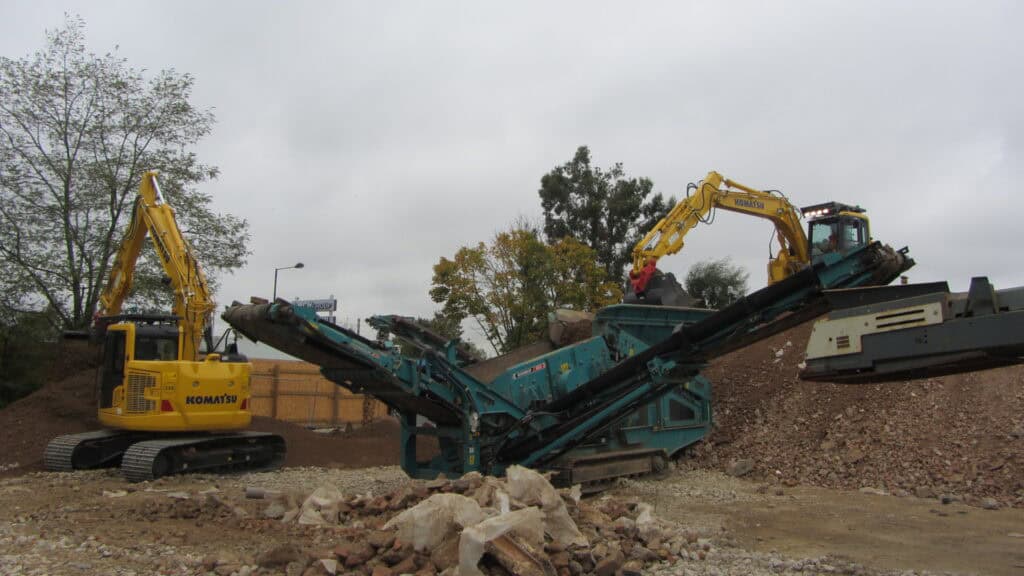
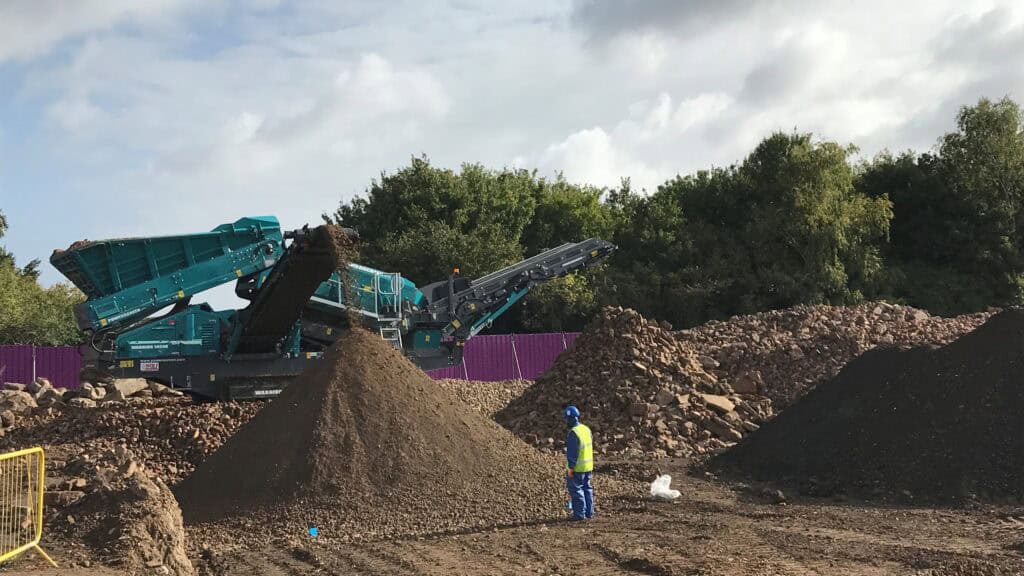
- Controlled slab breakout and targeted obstructions removal (up to 2mbgl). Processing of clean hardcore materials to produce recycled aggregate for re-use as a working platform;
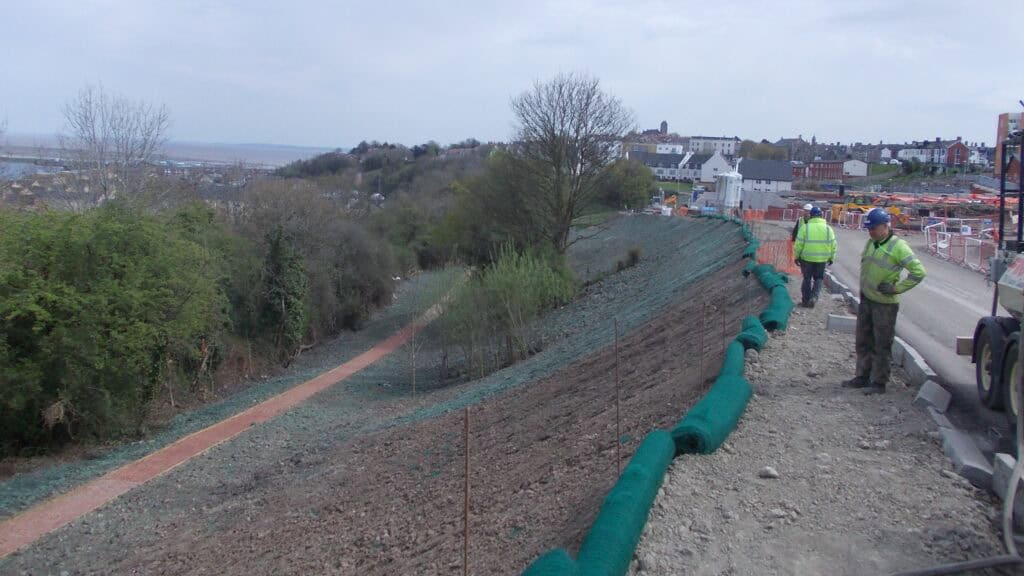
- Targeted remediation of Japanese knotweed & installation of a boundary root barrier;
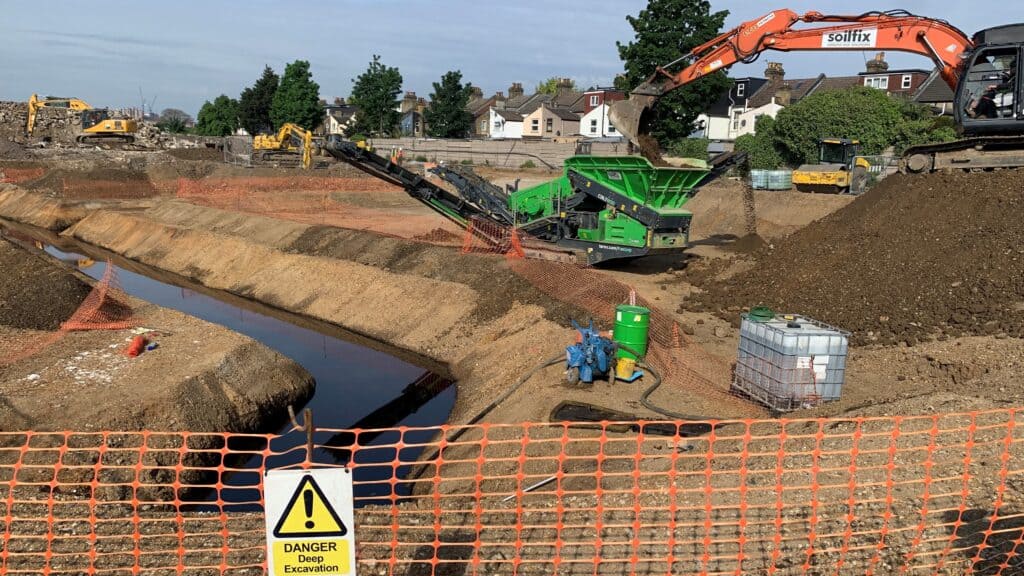
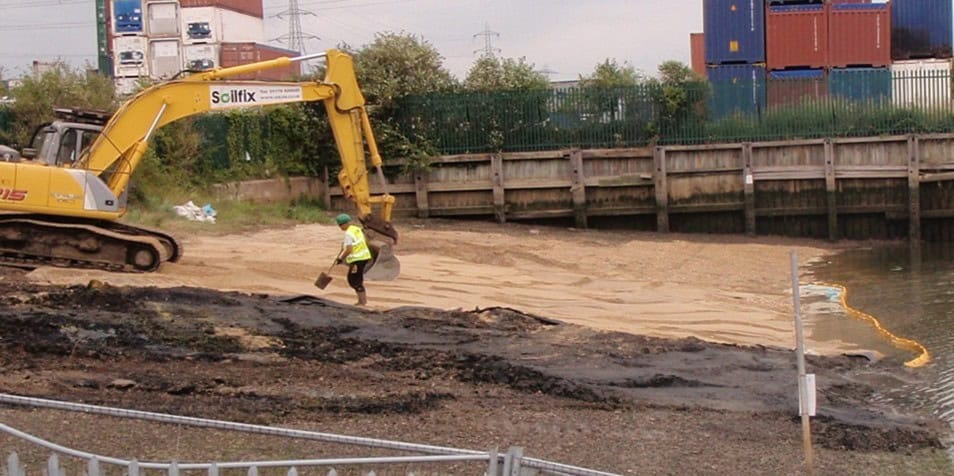
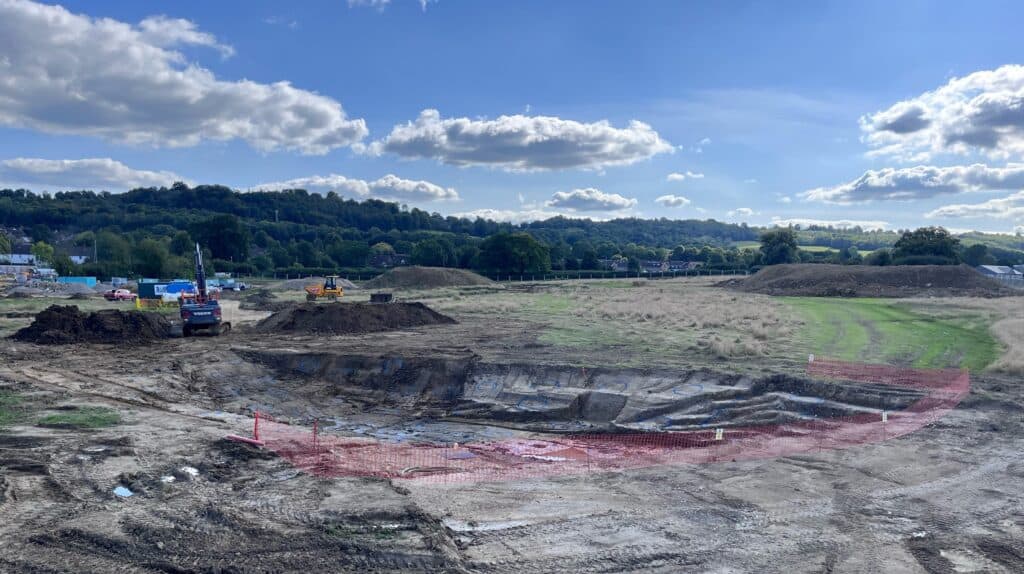
- Surgical excavation of hydrocarbon source area adjacent to railway line, with ex-situ bioremediation treatment of 1,200m3 grossly impacted soils for re-use;
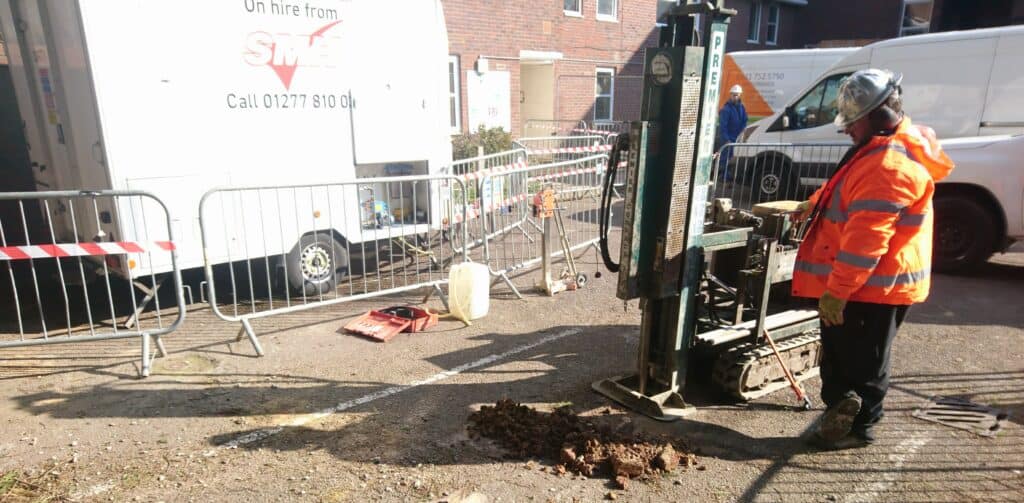
- Larger heavy-oil LNAPL source area subjected to combined ex-situ / in-situ remediation—horizontal LNAPL recovery trenches advanced into Terrace Gravels for enhanced pumping & treatment from the smear zone;
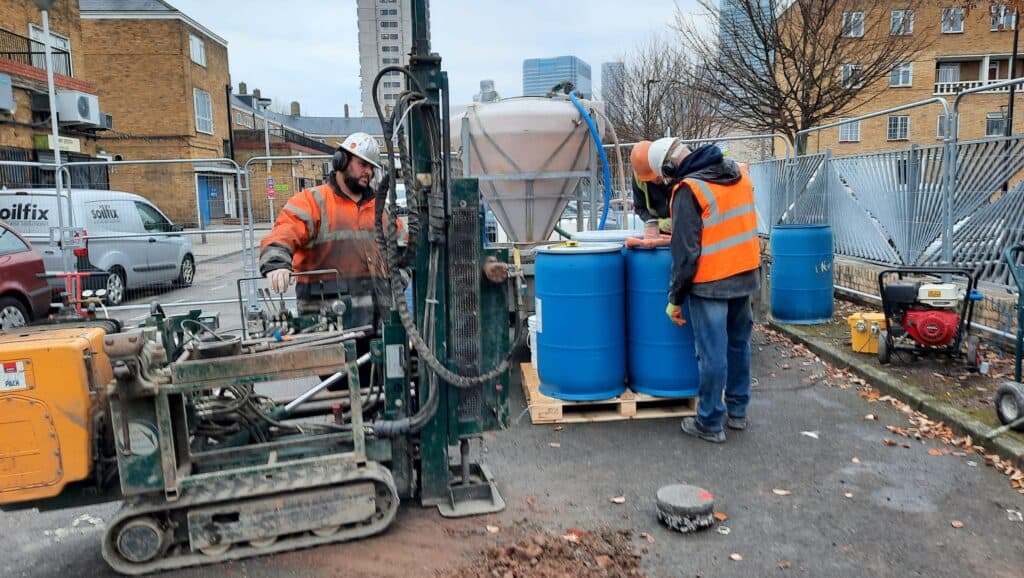
- LNAPL recovery enhanced using surfactant enhancement using staged RegenOx PetroCleanze™ injection; and,
- Residual betterment of groundwater concentrations implemented in both source areas using mixing/injection of Oxygen Release Compounds into the saturated zone; and,
- Site re-graded and capped with site-won recycled 6F2 material.
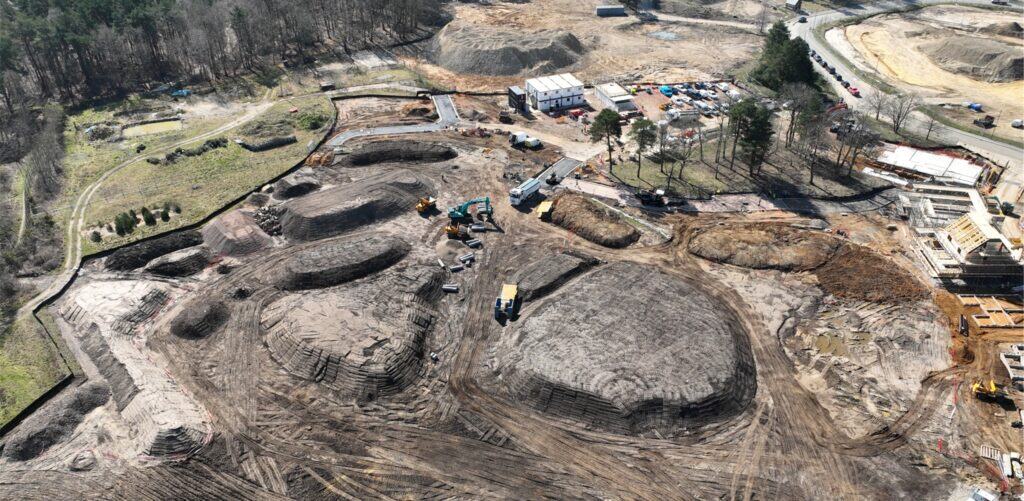
Soilfix successfully completed site works with zero lost time accidents. By adopting a sustainable, risk-based approach in collaboration with the project Consultants (Ramboll UK) using combined in-situ/ex-situ techniques over 12,000 tonnes of hazardous waste was diverted from landfill, keeping 2,400 HGV movements off the congested London road network.