THE CHALLENGE:
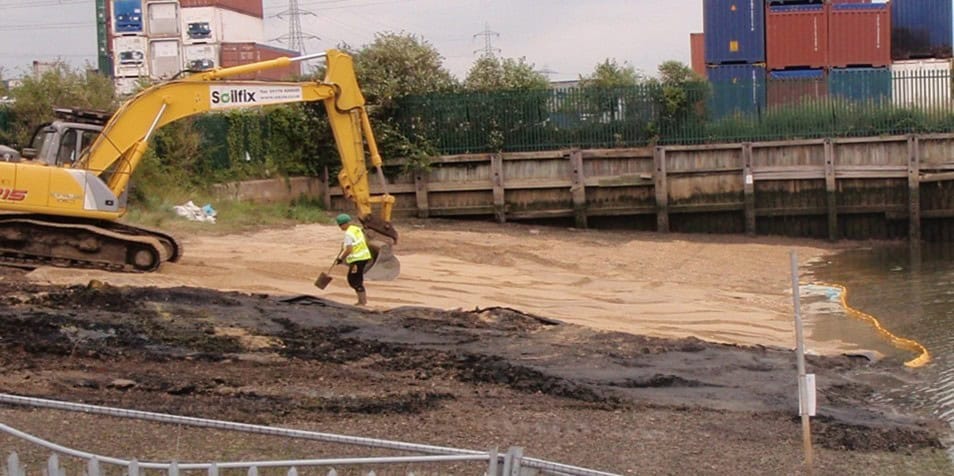
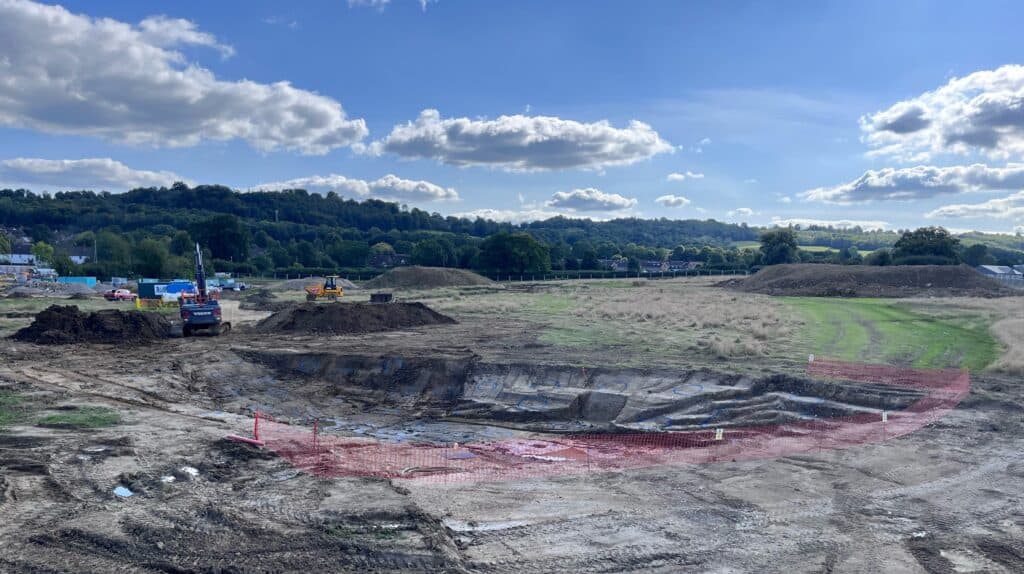
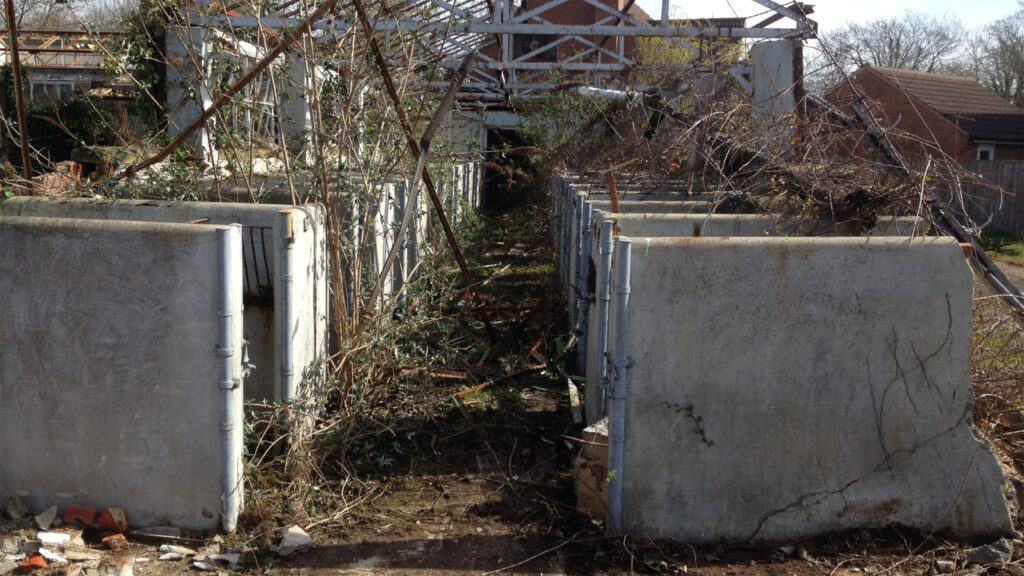
Remediation of a 6.0m deep coal-tar contaminated source area was required to mitigate risks to controlled waters – leachable Naphthalene being the primary risk driver. Due to artesian groundwater pressures and a branch of the Thames Relief Sewer running directly through the contaminated source area, excavation was not possible even with temporary retainment. Further challenges were presented by the high potential for unforeseen contamination associated with the historical site uses, tight site logistics, unexploded ordnance risks, archaeological constraints as well as residential / office buildings and 5m high retaining walls bordering the site on two sides.
OUR SOLUTION:
Following successful bench-scale feasibility trials and agreement of a Remediation Implementation Plan with the client’s geo-environmental consultants (CGL), the Environment Agency and Local Authority, Soilfix designed and implemented a remediation and development platform preparation scheme, which included:
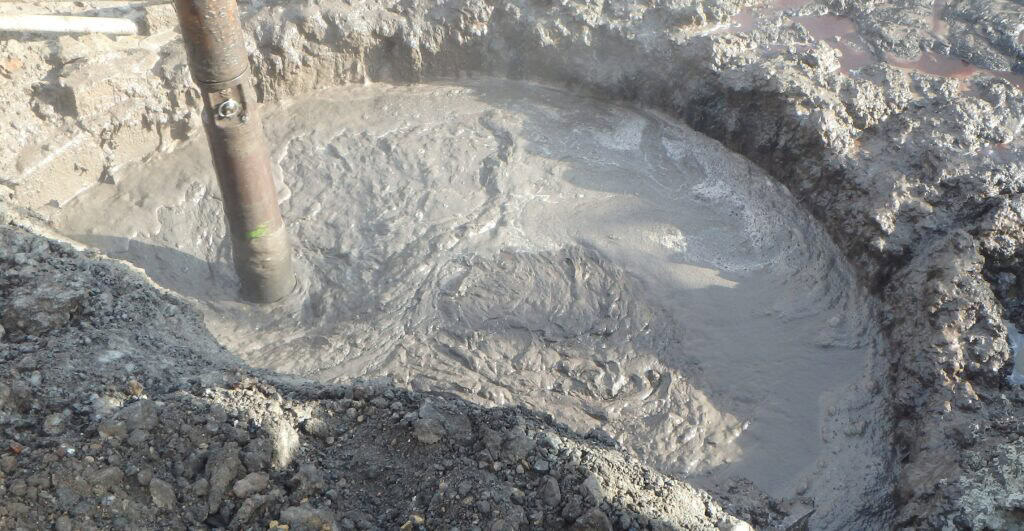
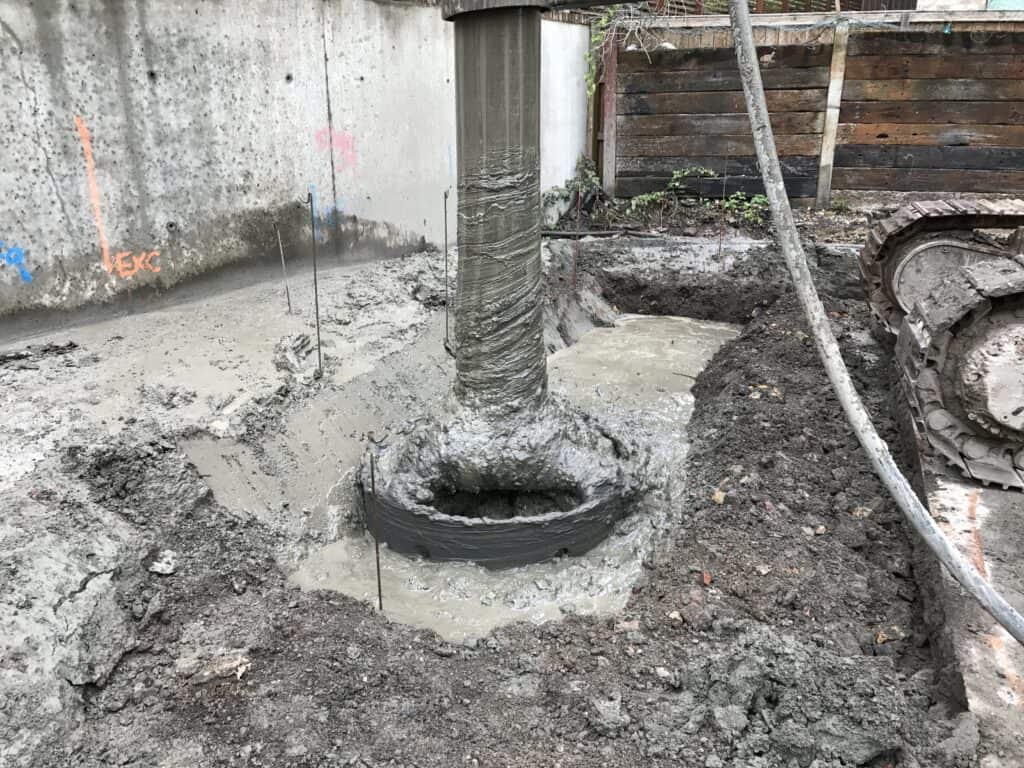
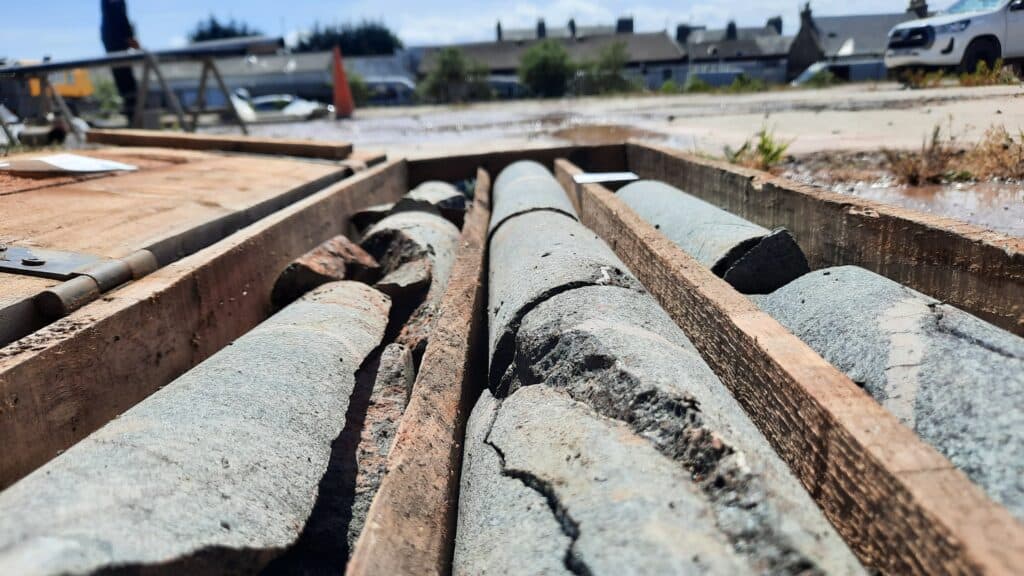
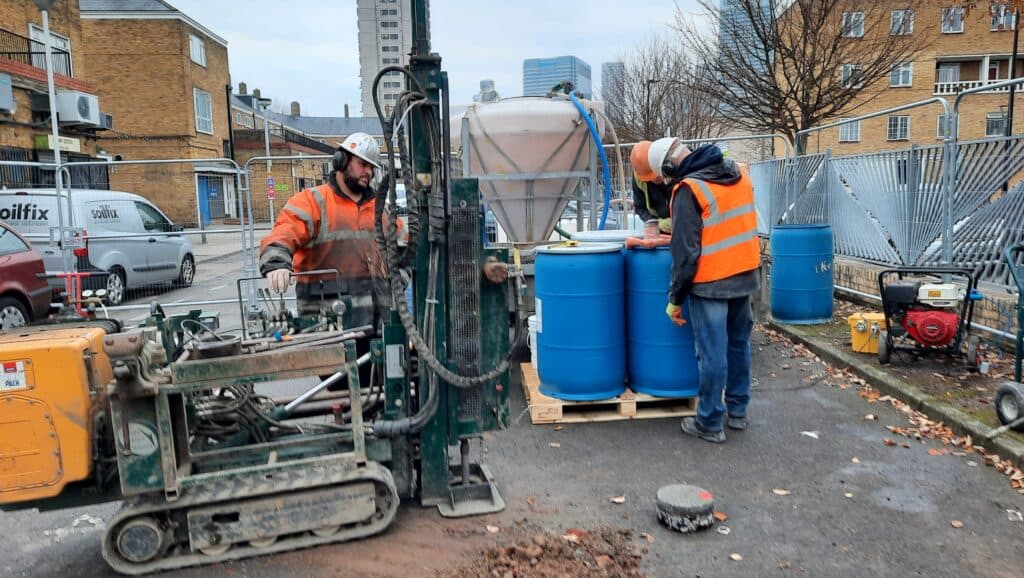
- In-situ Stabilisation/Solidification (S/S) treatment of the deep coal tar source zone carried out using mass soil mixing with a slurry containing a pre-determined binder dosage down to 6.0mbgl;
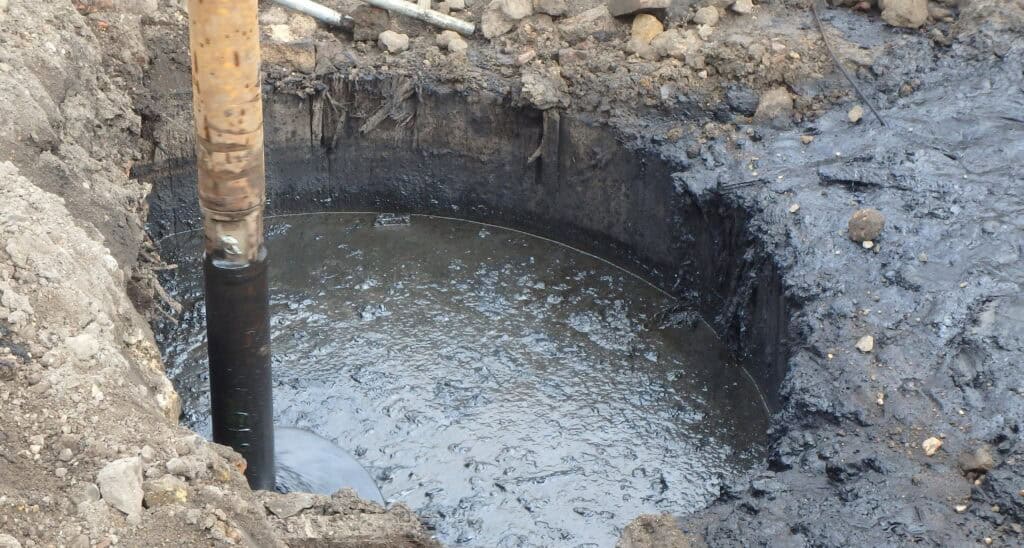
- Further in-situ S/S treatment of free tars contained within a 4m deep tar tank where ex-situ removal was not possible due to the proximity of the Thames Water relief sewer and the problematic nature of this waste stream – stabilisation completed using a pre-determined blend of quicklime, cement, bentonite to meet the site-specific leachate targets;
- Continuous vibration monitoring over the Relief Sewer at all times – confirming all levels <2.5mm/s PPV;
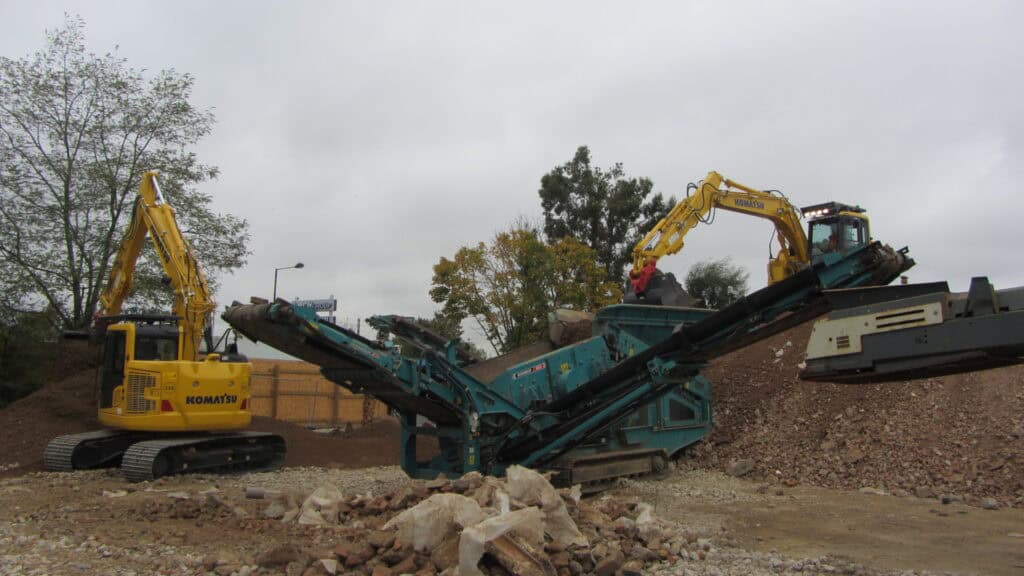
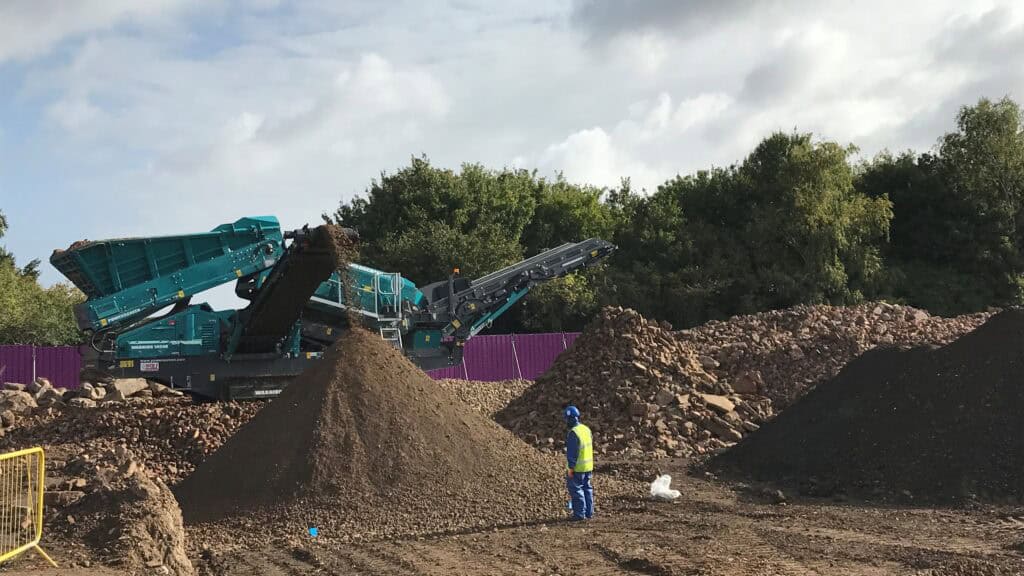
- Slab breakout and targeted obstructions removal, with historical brick footings encountered up to 4.5mbgl. Process/crushing hard materials for re-use as part of the working platform layer;
- Ex-situ stabilisation treatment of screened fines to provide a more sustainable and cost effective ‘hybrid’ working platform solution; and,
- Off-site disposal of surplus segregated, pre-treated materials as both hazardous and non-hazardous waste.
Soilfix successfully met all remedial objectives including leachable Naphthalene targets as well as geotechnical conformance criteria of all treated materials.