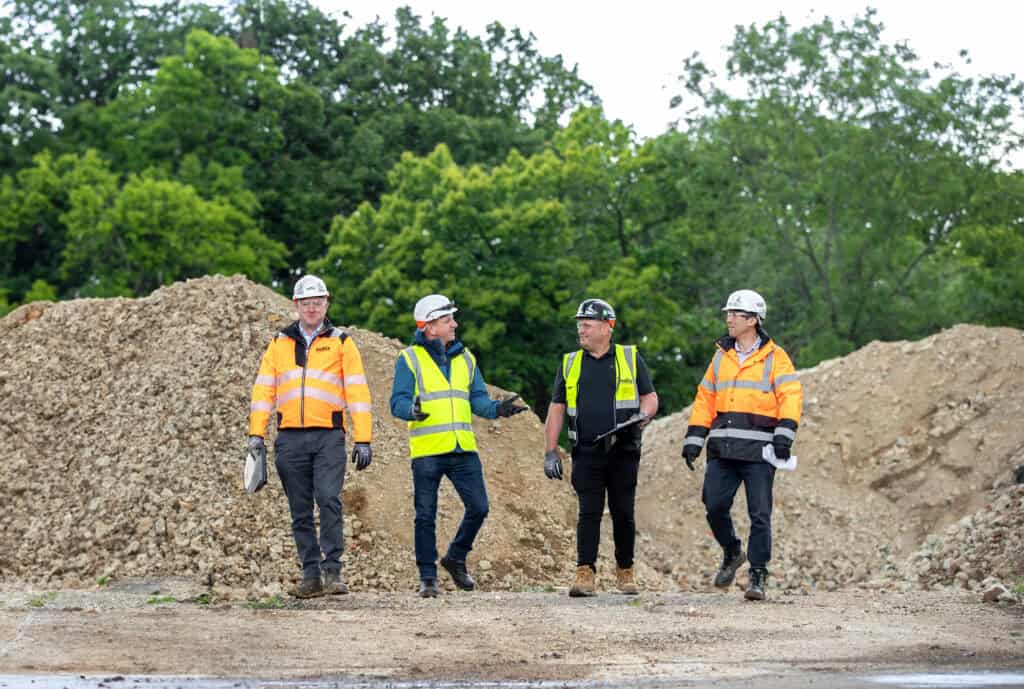

Soilfix successfully remediated our site on time and budget despite an increasing scope of works caused by unforeseen underground tanks and associated contamination


Services
Completed as an integral part of a remediation contract where programme/cost savings can be achieved through effective phasing, recycling of materials and managing pollution risks.
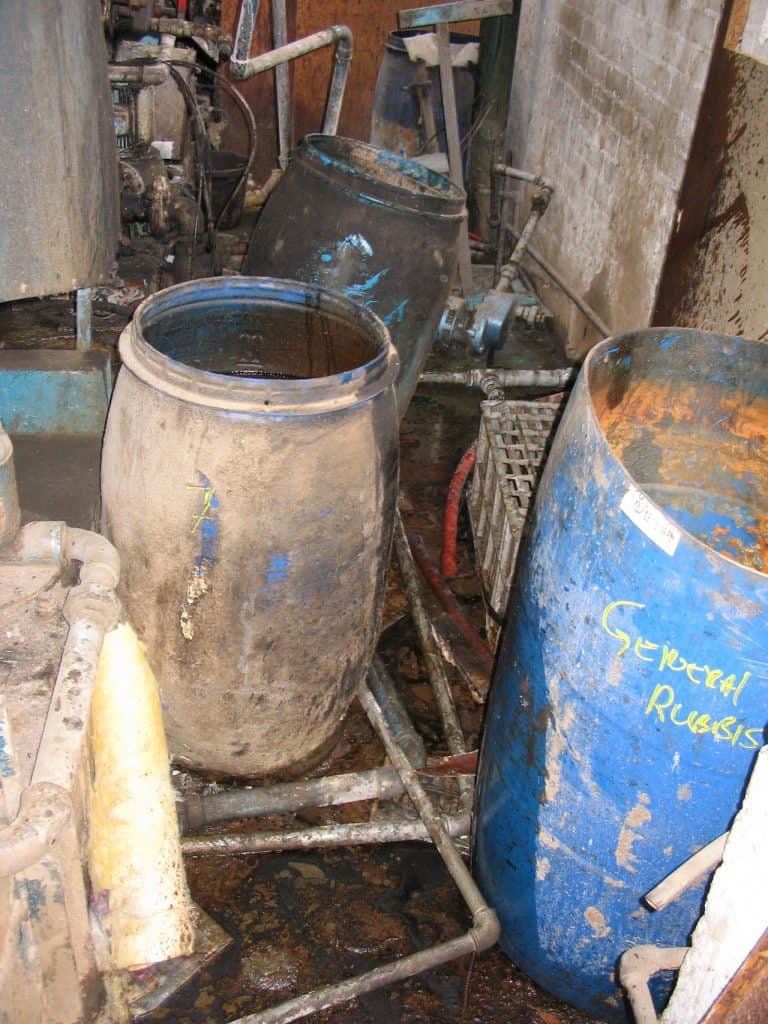
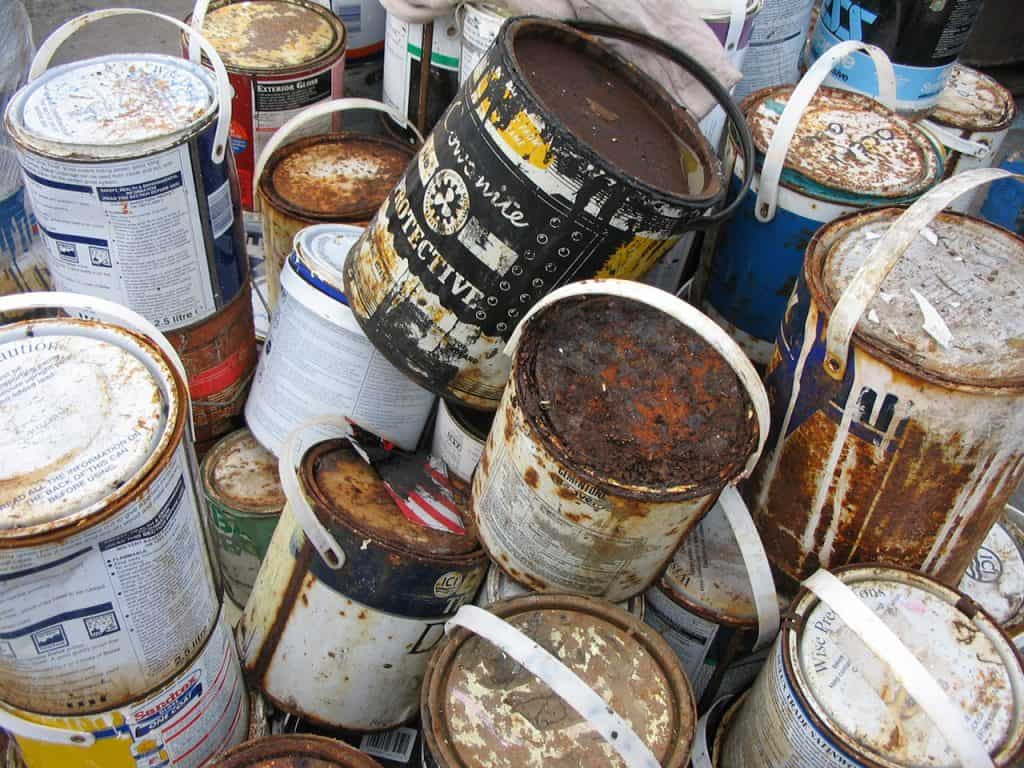
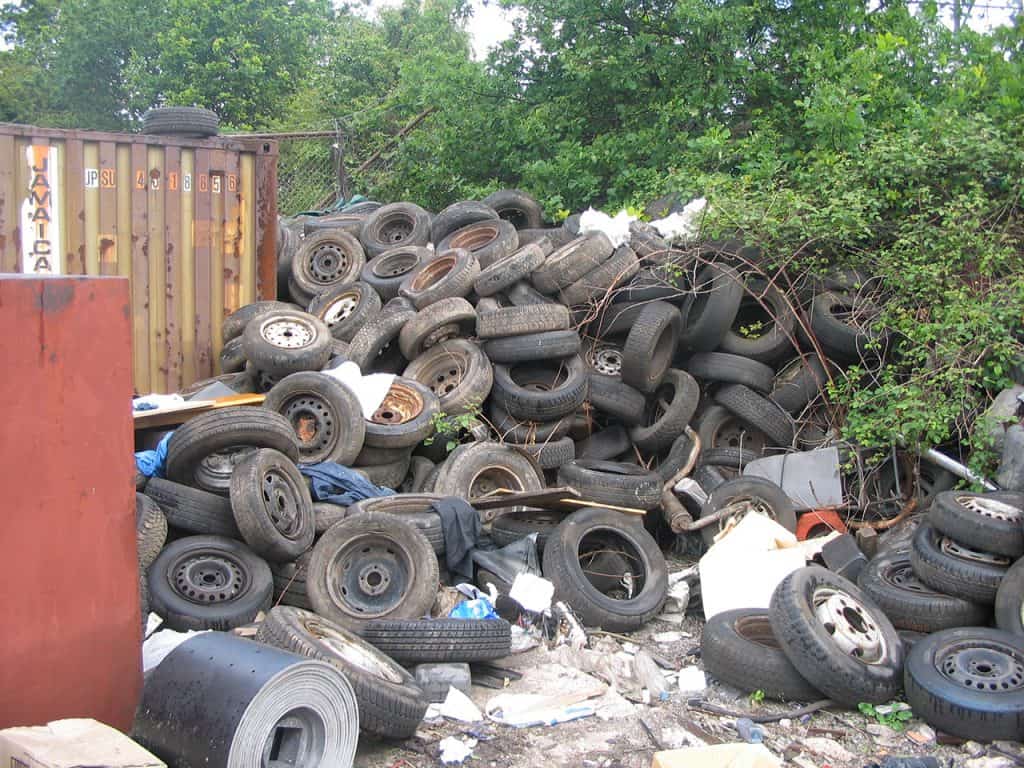

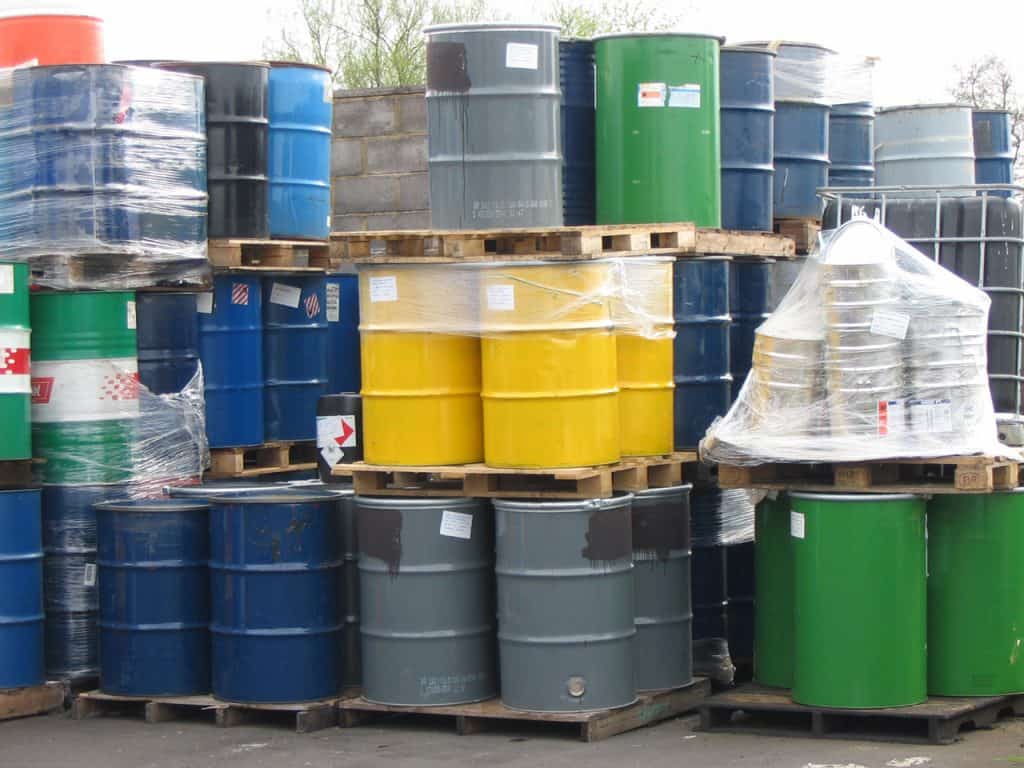
Former industrial activities can leave behind a legacy of toxic waste including chemical & fuel residues. Ideally, these will be removed by previous occupants. Where not, they can prove a costly addition to demolition works and, where handled incorrectly, can exacerbate contamination problems.
Soilfix can manage waste/chemical clearance at your brownfield site to ensure compliance with legislative requirements and reduce risks to the environment.
Soilfix are renowned for our expertise in decommissioning, decontamination and demolition. Contact us today and let’s work together in keeping your site clear.

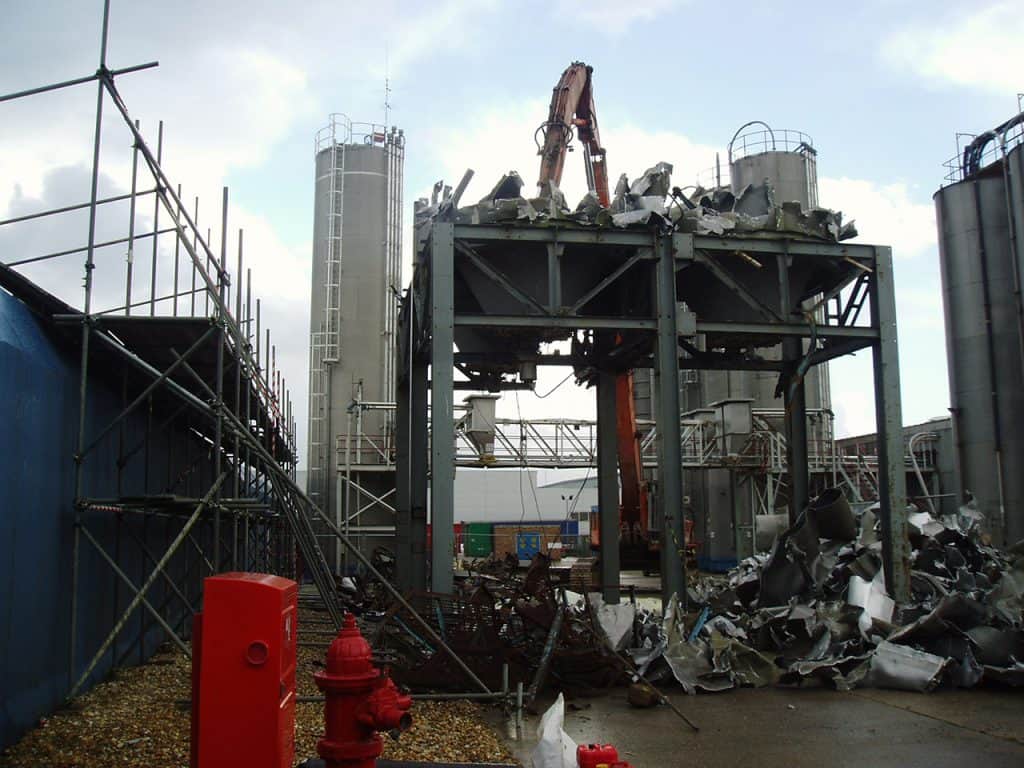


Soilfix personnel are skilled in above and below ground demolition works. Combining these works with remediation can reduce costs, maximise beneficial re-use of demolition materials and reduce the risk of environmental impacts.
Previous demolition projects have included transport depots, service stations and waste water treatment works. Prior to commencement of any demolition, Soilfix carries out all necessary risk assessments and ensures a good understanding of client requirements and site constraints. Where necessary, Soilfix can also manage the safe removal of asbestos, lead-based paints and other hazardous building materials.
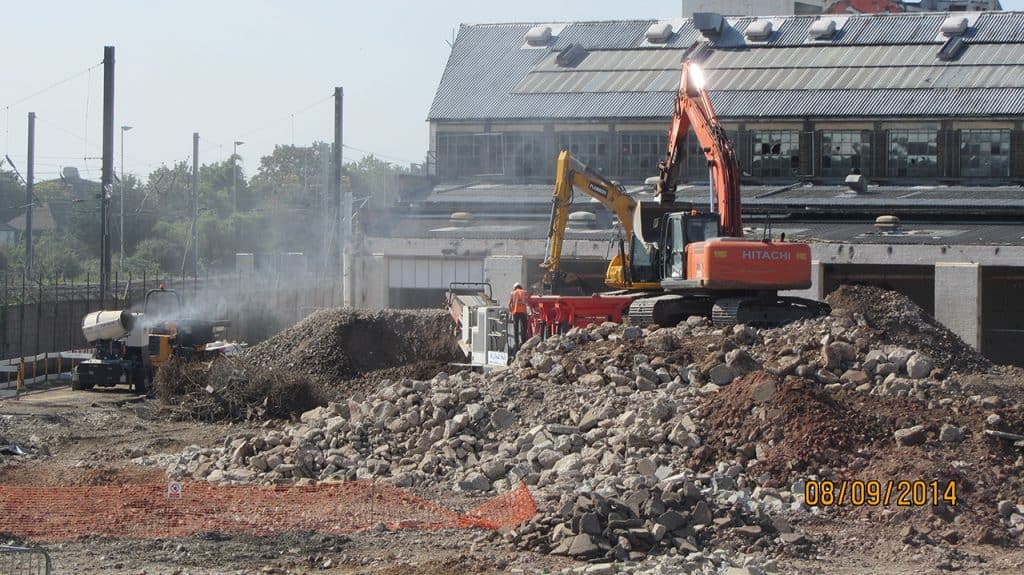
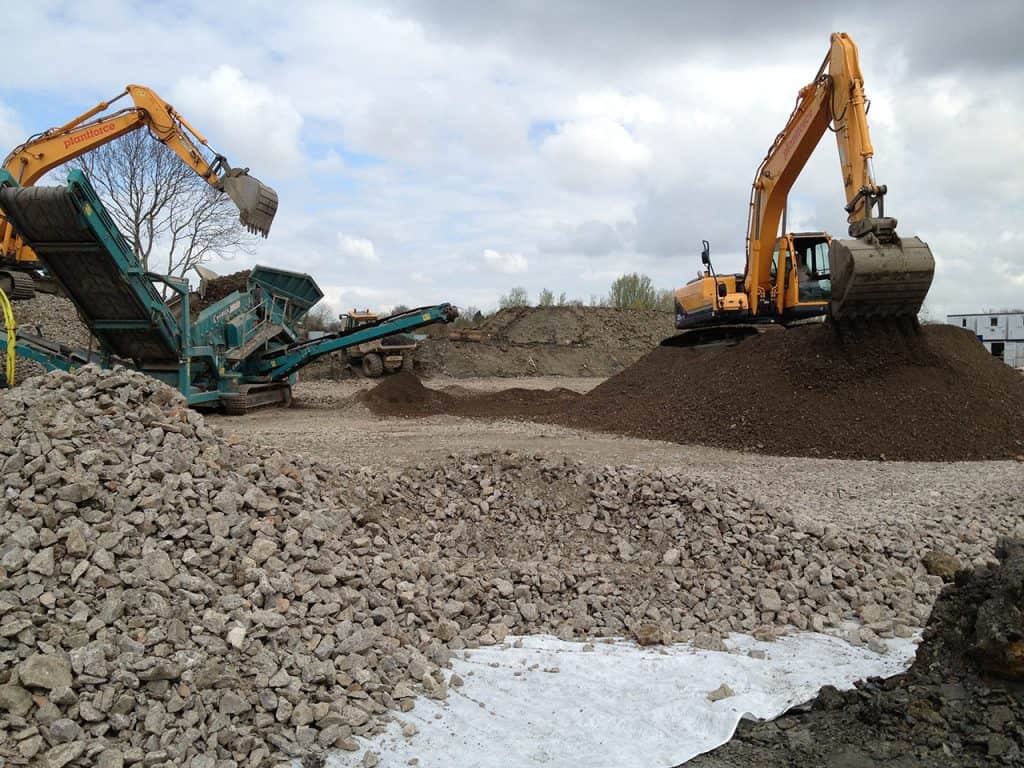
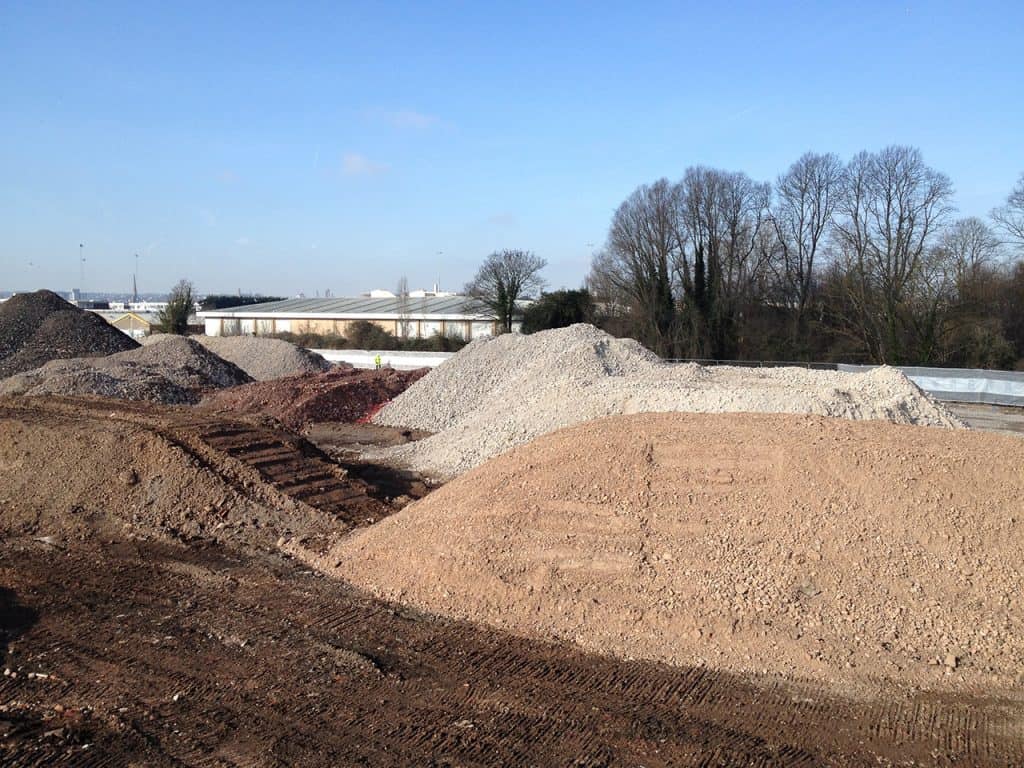
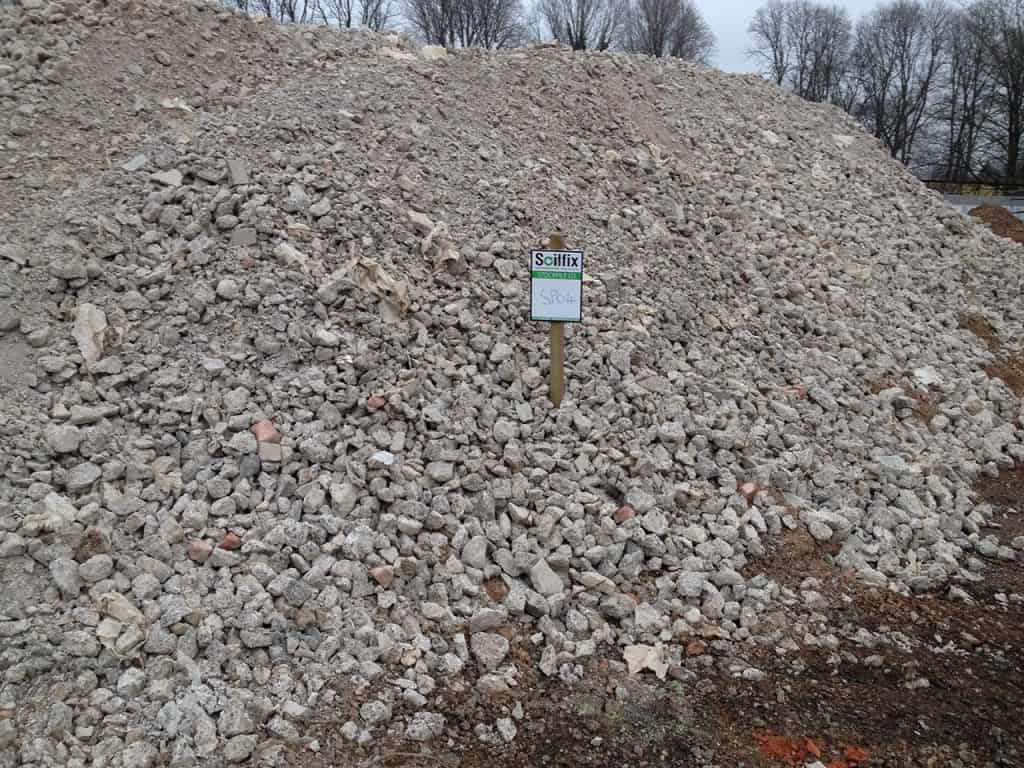
Soilfix is committed to providing its clients with the most sustainable use of materials generated on the site. Measures frequently include: Crushing of concrete, brick and tarmac to form engineered fill; Reuse of sub-grade granular materials; Enhancement of the geotechnical properties of existing materials; Manufacture of topsoil and subsoil from contaminated strata; Composting of green waste; and off-site recycling of metalwork. These operations decrease traffic movements and reduce build costs.


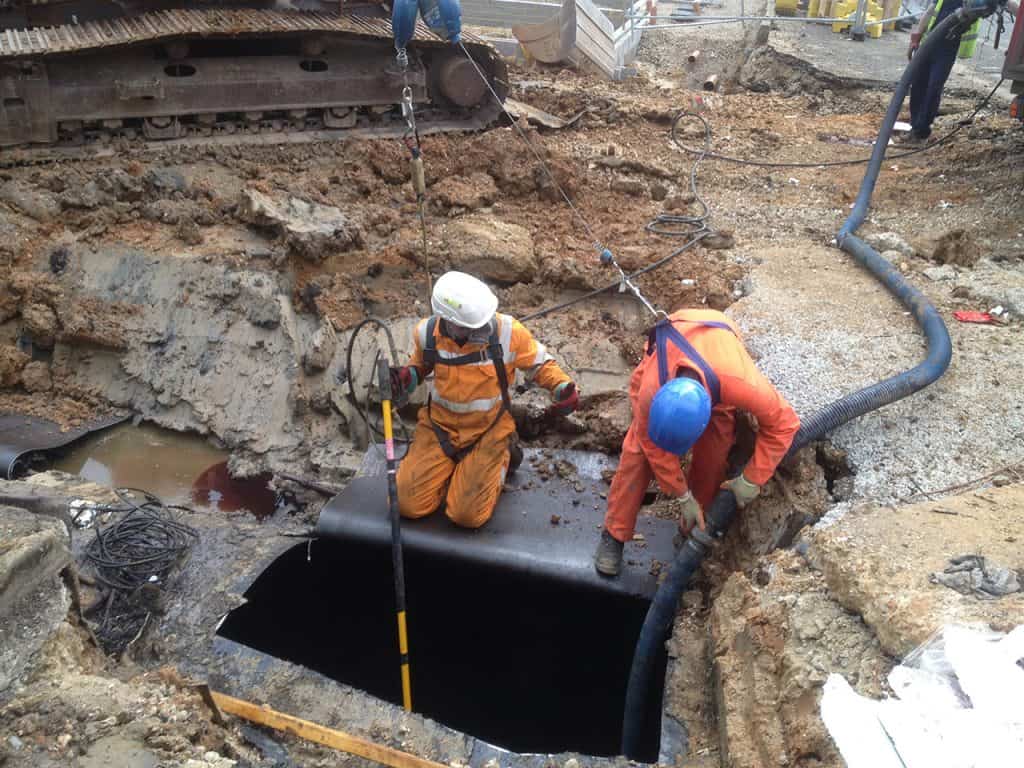
Fuel/chemical tanks and infrastructure need to be removed in a controlled manner by a competent contractor to minimise risks of further contamination. Soilfix ensure residual liquids are removed as far as practicable and vessels rendered inert prior to removal. Impacted soils can often be removed and treated simultaneously.
Under certain scenarios and where risks are acceptable, redundant tanks can be left in situ. Cleaning, degassing and filling vessels with inert material (e.g. concrete slurry, foam or sand) reduces ongoing risks and can be a cheaper alternative to removal.

Talk to our team
Jamie Mitchell
Pre-Construction Manager










We offer complete solutions for supporting the safe shutdown of industrial facilities and surrender of environmental permits, clearing / removing hazardous materials including asbestos containing materials, lead-based paints and chemical residues from buildings, storage tanks, pipework etc. followed by controlled dismantling and demolition of above / below-ground structures. Our services include planning, risk assessment, surveys, hazardous waste management and site clearance.
We follow strict health, safety, and environmental protocols, manage all permits, and provide full documentation to meet local and national regulations.
We have extensive in-house experience, and our team is trained to manage asbestos, chemical residues, lead, mould, and other hazardous substances using approved containment, removal and disposal methods.
We plan projects to minimise disruption, implementing dust, noise, and vibration controls while maintaining safe access for other site activities. Emissions monitoring and controls are often incorporated into a Construction Environmental Management Plan (CEMP) that is agreed with key stakeholders prior to commencement on site.
Yes. We prioritize sustainability by recycling metals, brick, concrete and other materials wherever possible, reducing environmental impact and disposal costs. Site-won aggregates can be processed using on-site plant and equipment to varying specifications for sustainable re-use – in line with UK circular economy objectives.